Meet the AAS Keynote Speakers: Dr. Kate Follette
Today, we interview Dr. Kate Follette, who is an Associate Professor of Astronomy at Amherst College, about her Plenary Lecture at #AAS245

Today, we interview Dr. Kate Follette, who is an Associate Professor of Astronomy at Amherst College, about her Plenary Lecture at #AAS245
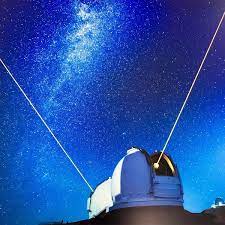
Adaptive optics is a key technology for modern astronomical observations, and we’ve got a great overview of it for you in this guide!
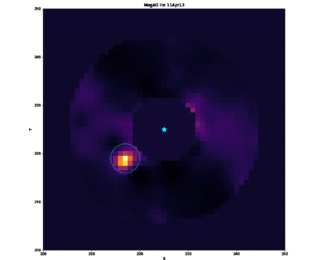
In the latest of our #UndergradResearch series, discover William Balmer’s research on how direct imaging can show us more about planet formation!
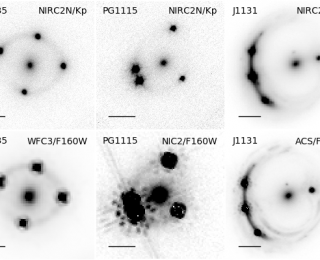
The field of cosmology just can’t seem to agree on a value of the Hubble constant, so astrophysicists attempt to provide a new, independent measurement using strong gravitational lensing.
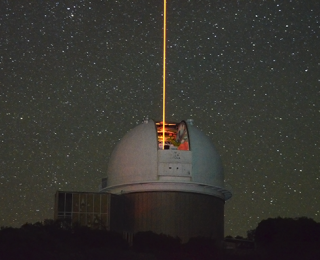
Astronomers are using a once-secret technology to scrutinize Kepler stars. Are rocky planets headed for a takedown?
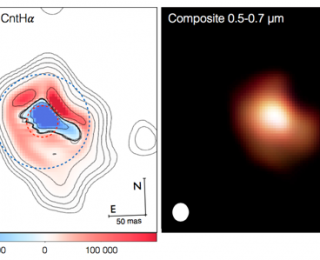
Today’s paper uses adaptive optics and polarized visible light to probe Betelgeuse’s secrets. These observations have lots to tell us about interactions among the star’s surface, the closest and most-recently-ejected clumps of gas, and brand new polarized dust.