
Using Very Long Baseline Interferometry For SETI
This paper describes the first-ever application of the technique of Very Long Baseline Interferometry (VLBI) to the Search for Extra-Terrestrial Intelligence (SETI).

This paper describes the first-ever application of the technique of Very Long Baseline Interferometry (VLBI) to the Search for Extra-Terrestrial Intelligence (SETI).
On Saturday November 26th NASA launched its newest rover toward Mars. Its key goal is to search for evidence that the planet may once have held microscopic life and to look at the possibility of once again holding life. Presented here are the details concerning the mission and the rover itself.

George Lucas dreamed of a planet with two suns. Now that Kepler scientists have found such a planet, the question arises: can it support life?
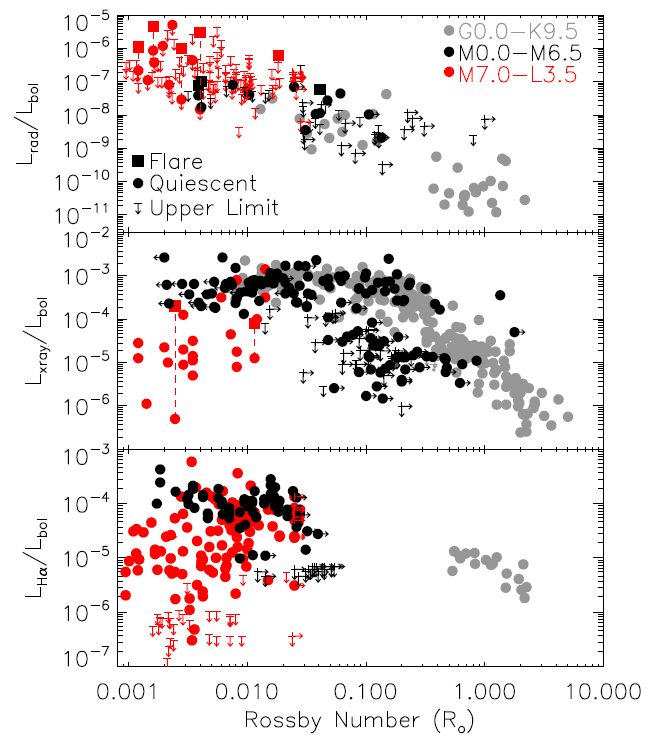
McLean et al. observe a new sample of late-M and L dwarfs with the Very large Array to search for a relation between rotation rate and radio activity for ultracool dwarfs.

Habitable exomoons appear all over science fiction, but could they exist in real life? Could we detect them if they did?