Microwave Kinetic Inductance Detectors
MKIDs are an exciting new cryogenic detector technology that can be easily multiplexed into large arrays. The authors create a detector sensitive to UV, optical, and near-IR, and test it in the lab.

MKIDs are an exciting new cryogenic detector technology that can be easily multiplexed into large arrays. The authors create a detector sensitive to UV, optical, and near-IR, and test it in the lab.
Using a clever technique, the authors identify a sub-population of rotating Wolf-Rayet stars.
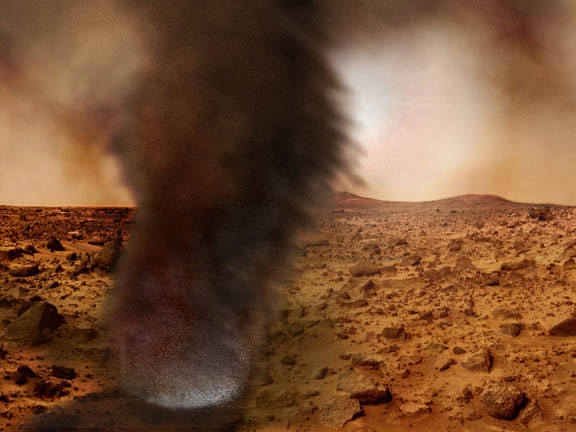
Do dust storms cause lightning on Mars? This paper uses the Allen Telescope Array to search for electrostatic discharge on the Red Planet.
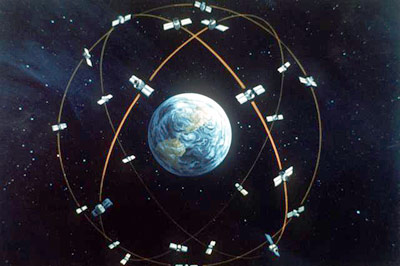
Water absorption in the atmosphere can be a big problem for Near-IR observations. This paper shows how to measure and correct for atmospheric water vapor using GPS satellites.
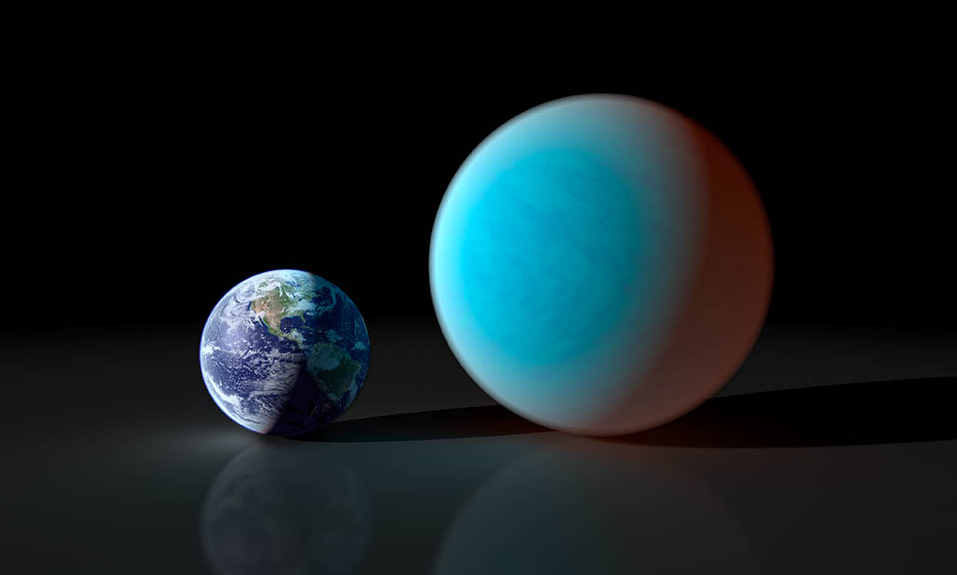
Spitzer chugs away in ‘warm’ mode to lend new results to a very mysterious “super earth” orbiting close to its host star.
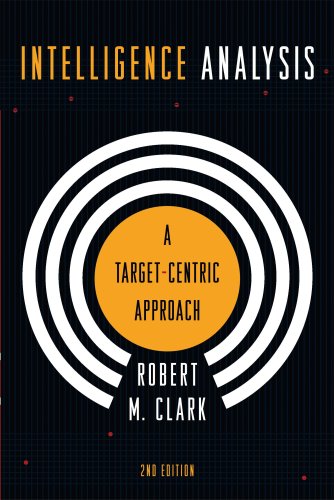
Astronomy has a kindred cousin, a cool one who wears his sunglasses at night: intelligence analysis. I don’t just mean reconnaissance satellites, either; the process of astronomy, that of observing and drawing conclusions, is possibly the most similar of all the sciences to the process of intelligence gathering. Both fields deal with low signal-to-noise regimes that are based primarily on observation rather than experimentation. Both fields must continually account for errors and biases that could easily lead to false or falsely credited conclusions. And thus it behooves us as astronomers to learn from our cousins on the other side of the fence, who may not have been in the business quite as long or have quite as much ground to cover, but who certainly have a lot more pressure to produce results. That’s why today I’m going to be talking about Robert M. Clark’s key textbook Intelligence Analysis: A Target-Centric Approach, and what lessons it holds for you as a professional scientist.