by Ian Czekala | Sep 23, 2011 | Personal Experiences
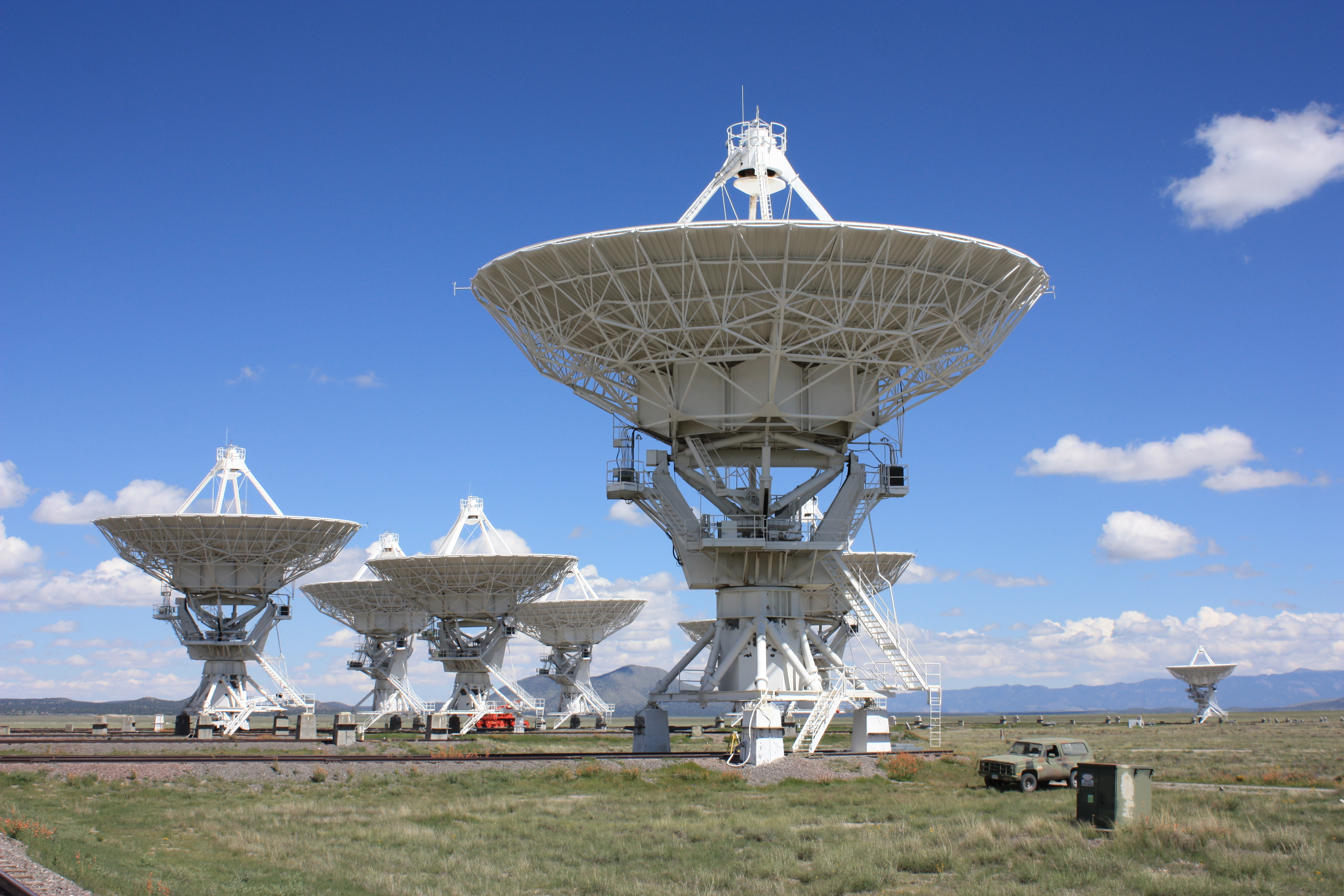
Along with several other graduate students from Harvard University, I attended the first EVLA data reduction workshop in Socorro, New Mexico. Around 25 graduate students and researchers were present, along with many post-doctoral fellows and NRAO staff that devoted their time to help us learn how to use CASA, or Common Astronomy Software Applications.
by Elisabeth Newton | Sep 15, 2011 | Daily Paper Summaries
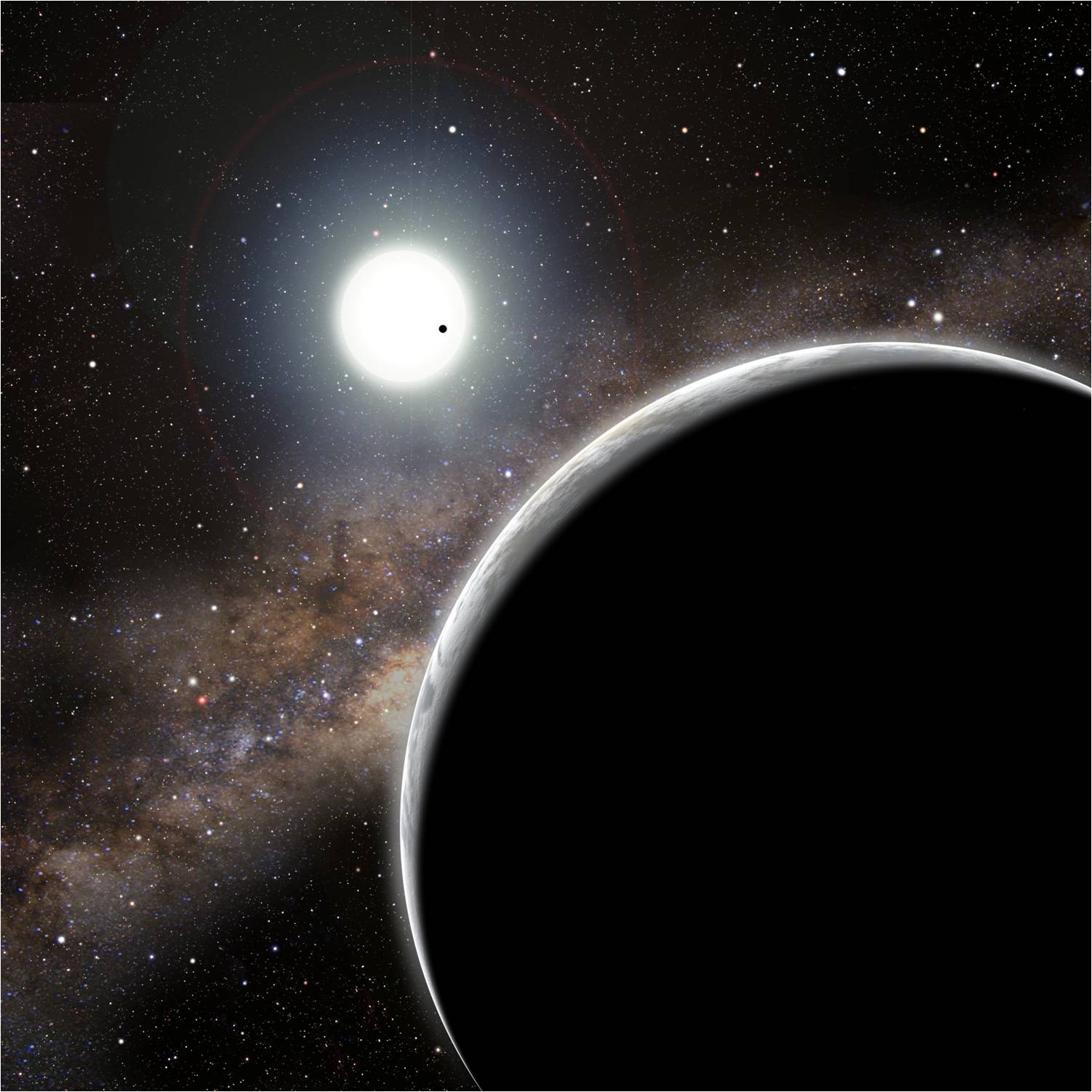
I’m here at the Extreme Solar Systems 2 conference in Jackson Hole, Wyoming. On Monday, Sarah Ballard spoke about recent results on the Kepler-19 system; she led a paper on this object that was posted to the arxiv last week. This is the story of the newly-discovered transiting planet Kepler-19b and its mysterious companion.

by Katherine Rosenfeld | Aug 19, 2011 | Daily Paper Summaries
With increasingly large data sets and surveys, the problem of moving astronomical data around the world is non-trivial, but how fast and how accurately can this be done?
by Dan Gifford | Jul 26, 2011 | Guides
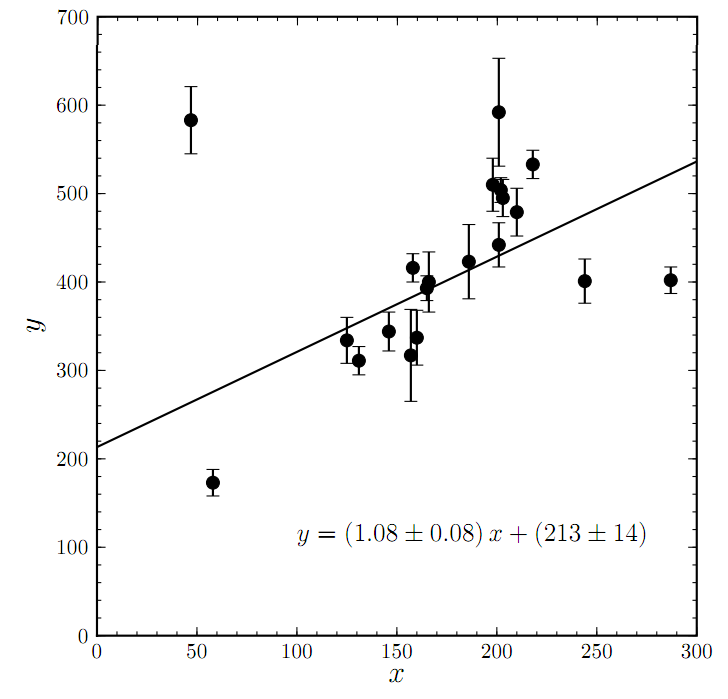
Why does the fit above look so crappy? Probably because of those pesky outliers! But before you get rid of them, see what David Hogg has to say about alternative methods of fitting models which are not only more robust, but may change your mind about every fit you do from now on.
by Courtney Dressing | Jul 6, 2011 | Daily Paper Summaries
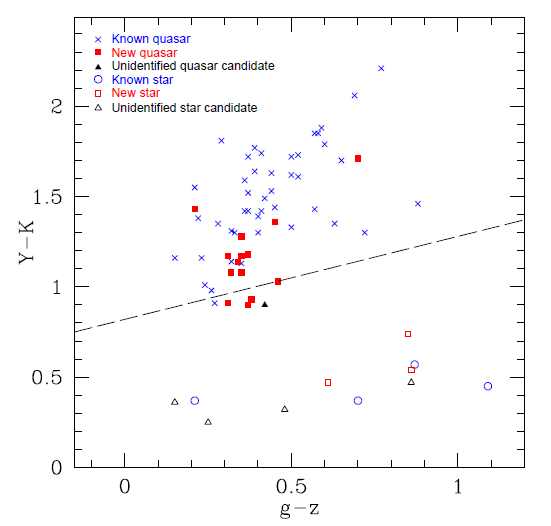
What happens when redshifted quasars masquerade as stars? How do astronomers isolate them from the stellar population?

by Dan Gifford | Jun 28, 2011 | Daily Paper Summaries, Guides
The word “bias” shows up all the time in astronomy. What exactly does it mean? Also, how a recent study tackles the argument that the M-sigma relation may be biased.
