by Elisabeth Newton | Jun 9, 2011 | Daily Paper Summaries
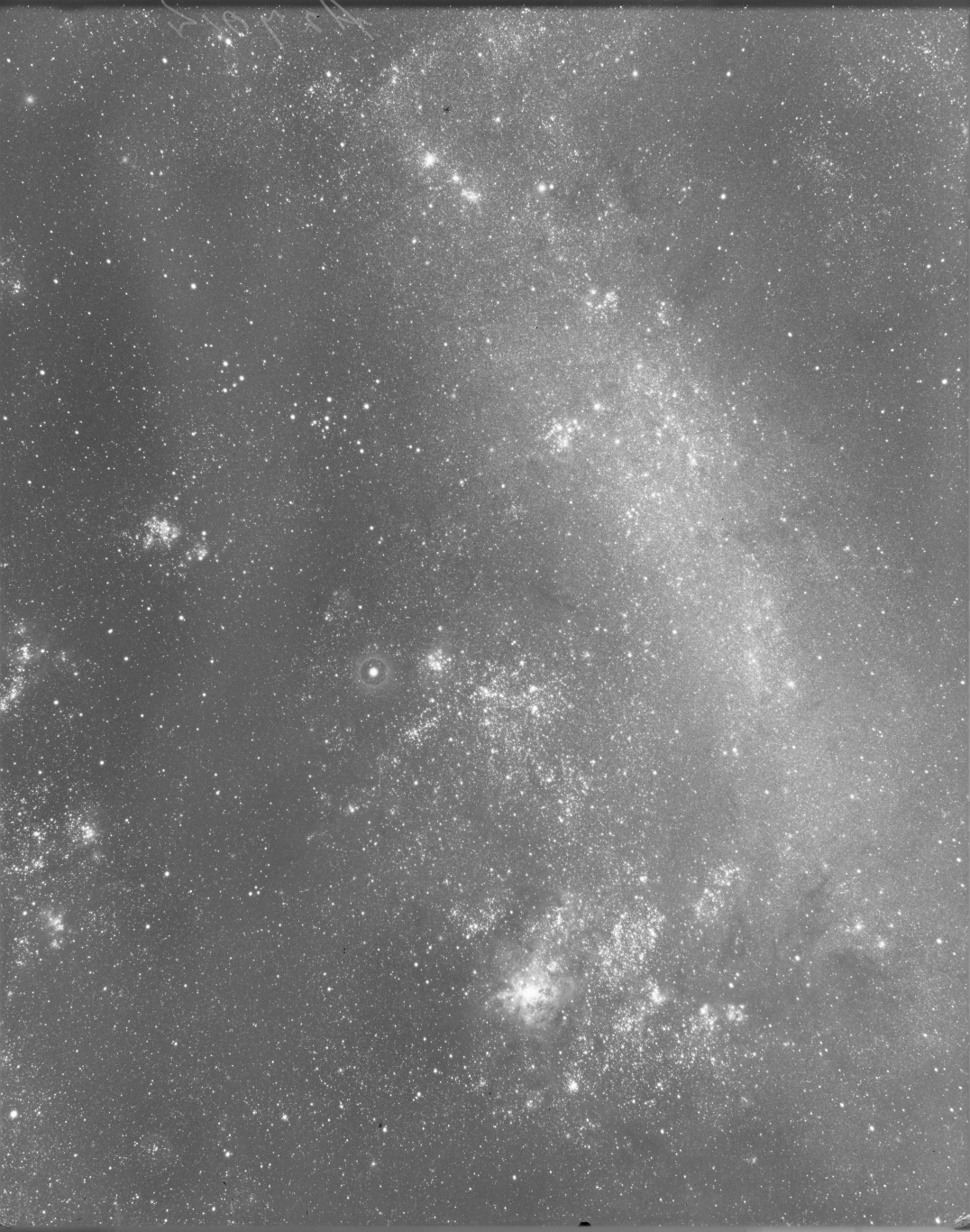
How do stars vary on a hundred year time scale? The DASCH (Digital Access to a Sky Century @ Harvard) Team has been looking back at data taken over the last century in order to answer this question. This paper reports the most recent DASCH discovery, which concerns the star KU Cyg. This is an eclipsing binary system in which a more massive F star is gaining mass from a red giant. The authors noticed a 0.5 magnitude drop in the brightness of the star around 1900 that lasts for five years.
by Aaron Bray | Jun 5, 2011 | Daily Paper Summaries
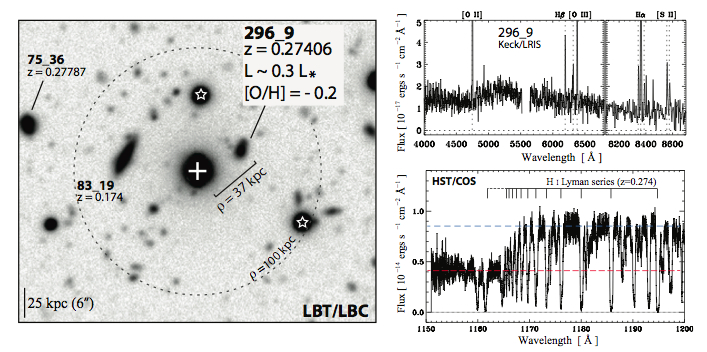
Ribaudo et al. present observations of a low-metallicity gas system and associated galaxy that they argue provide evidence for what is known as “cold mode accretion”, whereby baryons fall to the center of a dark matter halo without being shock heated.
by Tanmoy Laskar | May 8, 2011 | Quick Notes
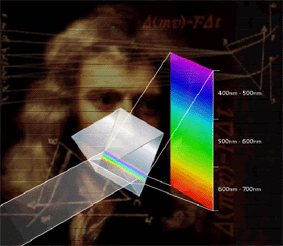
Astronomers seldom touch, smell, hear, or taste astronomical sources – their primary sensory input is light. Read about how astronomers use the electromagnetic spectrum to unravel the mysteries of the Universe!

by Dan Gifford | May 3, 2011 | Quick Notes
In astronomy everyone shares the same laboratory, the sky. Astronomers with Ph.Ds use giant telescopes to look at the same sky you can walk outside and look up to. Many amateur astronomers have taken advantage of just that….
by Courtney Dressing | Apr 27, 2011 | Quick Notes
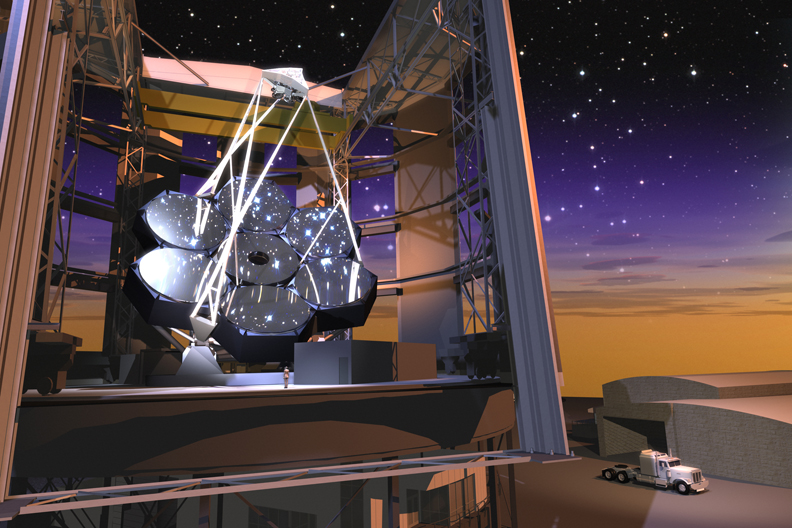
Check out our newest glossary describing the ground-based and space-based observatories used by astronomers.
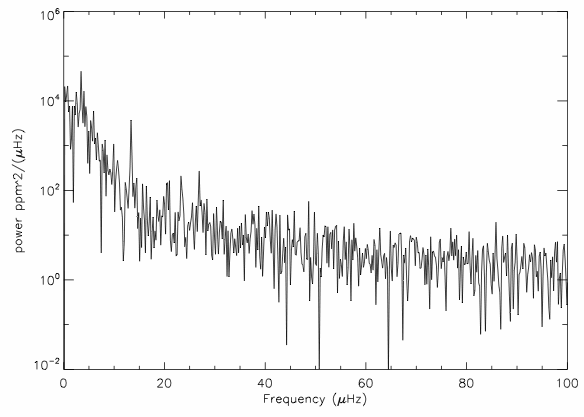
by Elisabeth Newton | Apr 13, 2011 | Daily Paper Summaries
Stellar variability has received more attention recently due to the problems it poses in the detection of exoplanets; however the study of variability is a field of its own. What causes activity? How does magnetic activity vary with different stars? This paper looks at results from the CoRoT satellite (for Convection, Rotation and planetary Transits), which was launched in December of 2006. This paper is concerned with the long-term photometric microvariability of stars and how stellar activity relates to rotation period and temperature.
