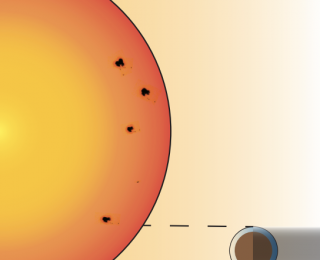
Fraught with Spots
If we don’t understand starspots, we won’t understand exoplanet atmospheres.

If we don’t understand starspots, we won’t understand exoplanet atmospheres.
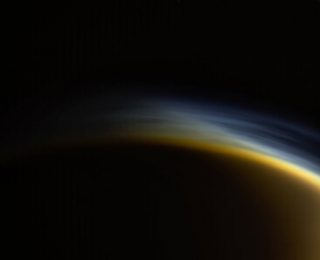
Multiple exoplanets appear to have a cloud or haze layer in their atmosphere, though the production rate of this haze remains unknown. Today, we discuss a new approach to answering this question: creating exoplanetary haze in the lab.
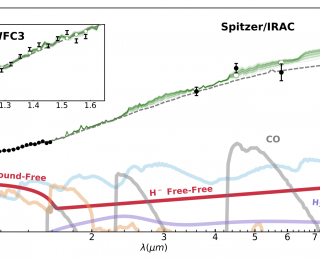
Cues from stellar atmospheric chemistry can help in explaining the observations of very-hot gas giant atmospheres.
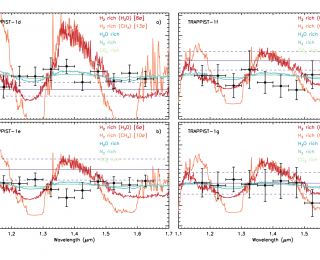
Researchers took observations using the Hubble Space Telescope to find out more about the atmospheric compositions of the Earth-sized exoplanets in the Habitable Zone of TRAPPIST 1.
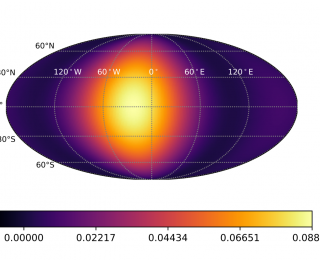
The hottest point in hot Jupiter atmospheres should be directly below their star or blown slightly eastward by winds. What is happening on CoRoT-2b?
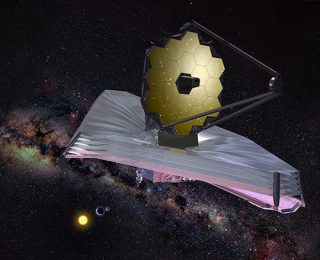
With the imminent launch of the James Webb Space Telescope next year, many scientists are asking what is next? Today’s bite, which focuses on a recent workshop on global coordination: future space-based Ultraviolet-Optical-Infrared Telescopes, hopefully represents the first steps towards the next big space telescope.