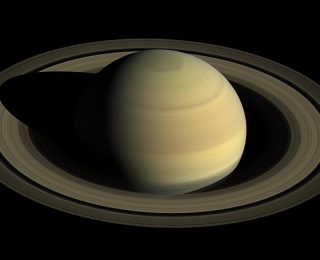
One (solar system) catalogue to aid them all
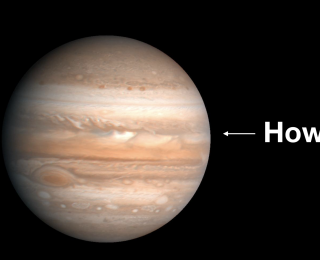
Based on colour alone, can we distinguish between a rocky, icy and gaseous planet?

Based on colour alone, can we distinguish between a rocky, icy and gaseous planet?
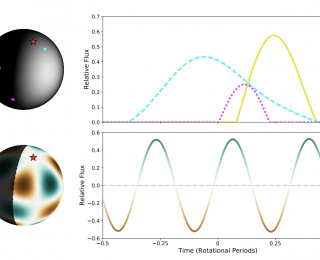
Mapping the atmospheres and surfaces of exoplanets is ailed by degeneracies due to the choice of map structure and orbital parameter uncertainties. Today’s paper attempts to solve this by using a principal component analysis approach.
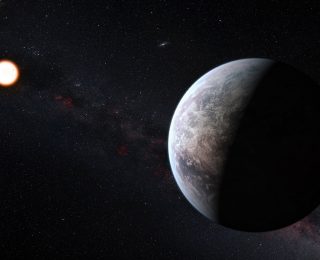
The planet K2-229 b surprises us with its unique abundances. While its composition is similar to that of Mercury, it is larger and closer to its star.
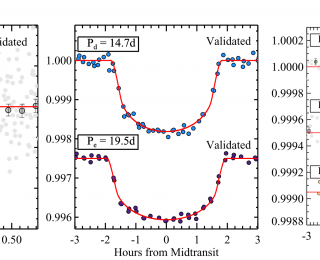
Transiting exoplanets generally orbit in the same plane, so how is this planet so misaligned in this multi-planet system?
We’ve strongly suspected they’re there. A new method promises to prove it.
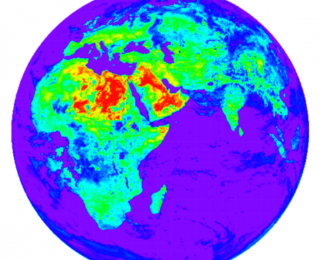
In the search for habitable exoplanets, the authors of today’s paper turn their gaze to our own planet, and what we can learn from NASA’s DSCOVR:EPIC observations of Earth.