LOFAR: science at the longest wavelengths
The LOFAR low-frequency radio interferometer is poised to make exciting discoveries in transient searches, high-energy astrophysics, and cosmology.

The LOFAR low-frequency radio interferometer is poised to make exciting discoveries in transient searches, high-energy astrophysics, and cosmology.
The First Kepler Science Conference is occurring this week at NASA Ames. Check out this summary of the conference to learn about the exciting results from the Kepler mission.
MKIDs are an exciting new cryogenic detector technology that can be easily multiplexed into large arrays. The authors create a detector sensitive to UV, optical, and near-IR, and test it in the lab.
On Saturday November 26th NASA launched its newest rover toward Mars. Its key goal is to search for evidence that the planet may once have held microscopic life and to look at the possibility of once again holding life. Presented here are the details concerning the mission and the rover itself.
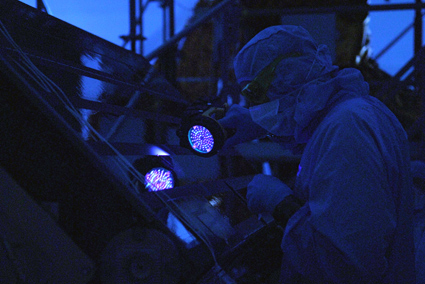
There is much more to a telescope than the size of its mirror. Instruments are often built and optimized with a particular science goal in mind.
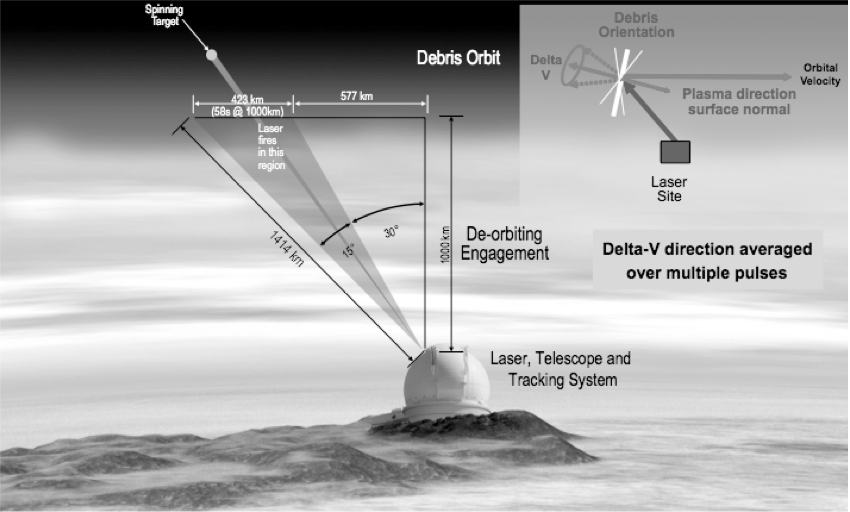
The authors of this paper figure out the most effective way to shoot lasers at space junk. I am clearly in the wrong field of research.