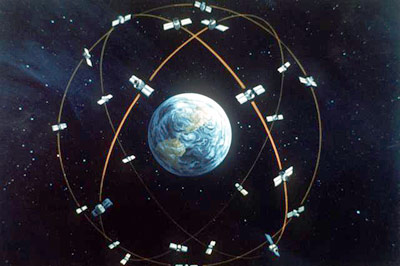
Measuring Water Vapor with a GPS
Water absorption in the atmosphere can be a big problem for Near-IR observations. This paper shows how to measure and correct for atmospheric water vapor using GPS satellites.

Water absorption in the atmosphere can be a big problem for Near-IR observations. This paper shows how to measure and correct for atmospheric water vapor using GPS satellites.
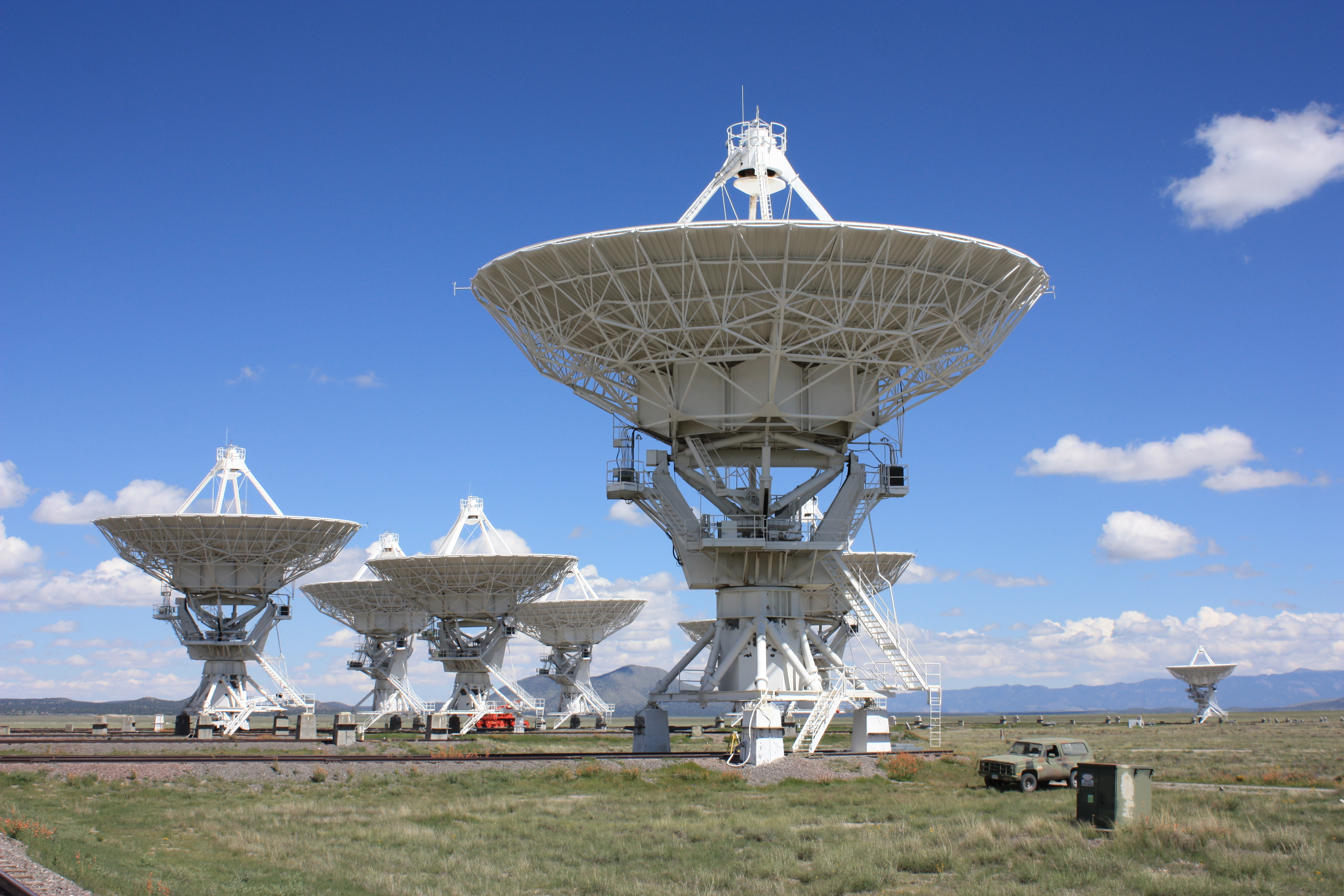
Along with several other graduate students from Harvard University, I attended the first EVLA data reduction workshop in Socorro, New Mexico. Around 25 graduate students and researchers were present, along with many post-doctoral fellows and NRAO staff that devoted their time to help us learn how to use CASA, or Common Astronomy Software Applications.
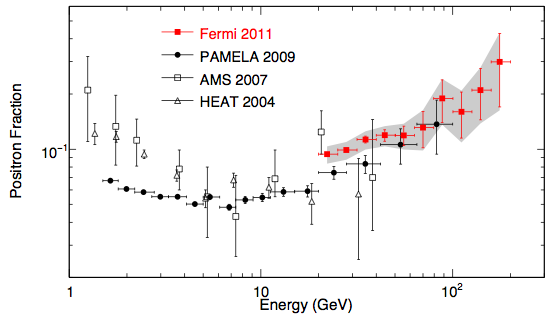
The Fermi Large Area Telescope used a clever method of splitting electrons and positrons via the Earth’s magnetic field to show that there’s a significant excess of cosmic ray positrons at high energies – much more than can be explained using known cosmic ray processes.

It’s that time of year! For those of you thinking about grad school, check out how you might prepare yourself for the application process and narrow down your list of schools.
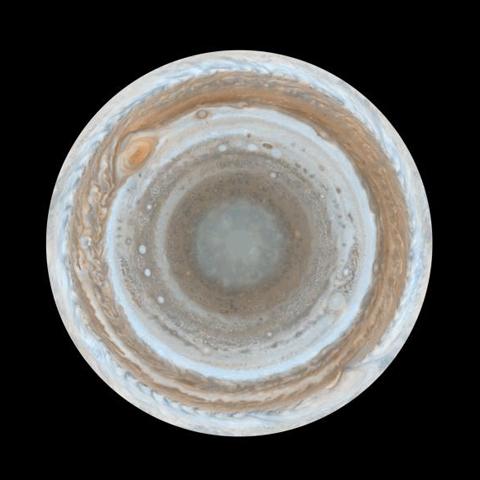
In this paper, techniques from helioseismology – using waves to learn about the interior of the Sun – are applied to yet another object: Jupiter. Because Jupiter is largely a fluid, like the Sun, astronomers have expected it to show global seismic behavior since the mid-1970s; the signal was even theorized to be about the same magnitude as solar oscillations. However, attempts to detect Jupiter’s global oscillations in the 80s and 90s were largely unsuccessful.
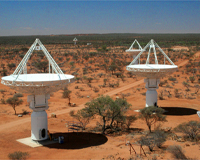
EMU will contribute to many different areas of astrophysics from stars to galaxies to cosmology; it will find interesting objects that can be followed up with other observatories designed for deep observations such as ALMA. ASKAP will also provide an excellent testbed for the new phased array detector technology expected to be used in the Square Kilometre Array in the next decade.