by Katherine Rosenfeld | Jun 10, 2011 | Daily Paper Summaries
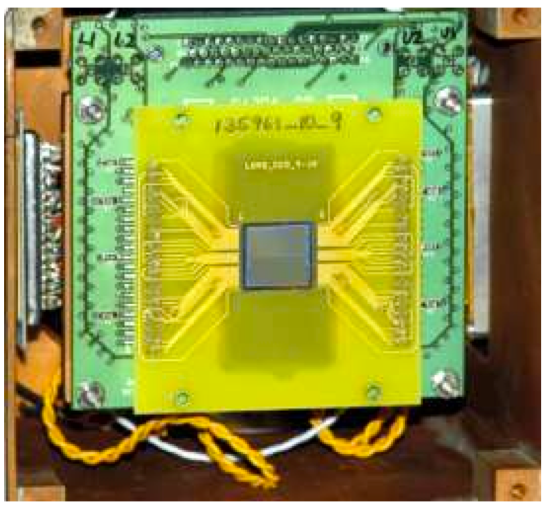
Charge Coupled Devices (CCDs) are workhorses of observational astronomy. These chips are commonly used as imaging detectors in telescopes, but they have wide applications from spectroscopy to drug discovery. This paper presents read-out results from Skipper CCDs recently developed at Berkeley Labs which feature low readout noise.
by Katherine Rosenfeld | May 26, 2011 | Daily Paper Summaries
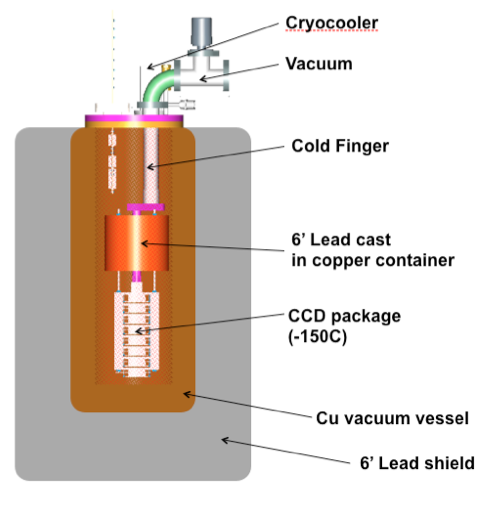
Astronomers find evidence for dark matter using the universe as their laboratory. How can we try to detect these particles on Earth?
by Tanmoy Laskar | May 8, 2011 | Quick Notes
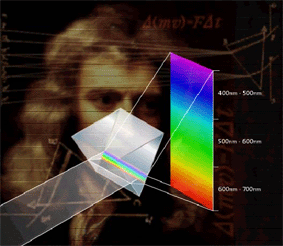
Astronomers seldom touch, smell, hear, or taste astronomical sources – their primary sensory input is light. Read about how astronomers use the electromagnetic spectrum to unravel the mysteries of the Universe!
by Courtney Dressing | Apr 27, 2011 | Quick Notes
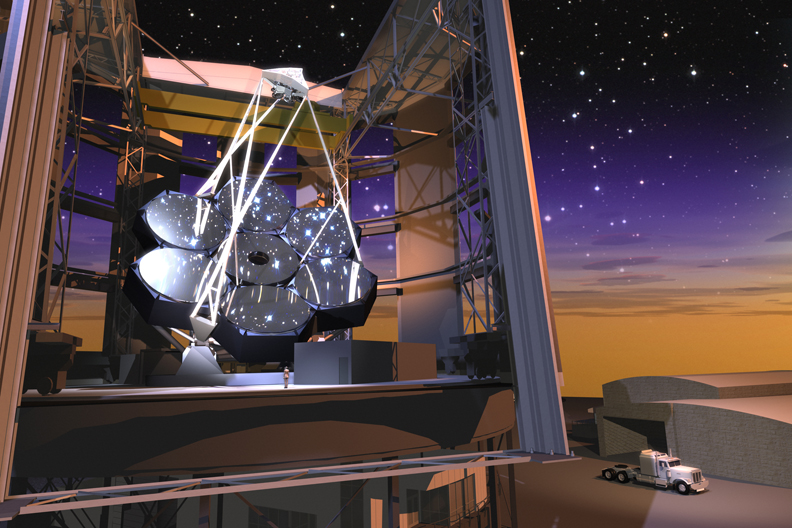
Check out our newest glossary describing the ground-based and space-based observatories used by astronomers.
by Katherine Rosenfeld | Mar 18, 2011 | Daily Paper Summaries
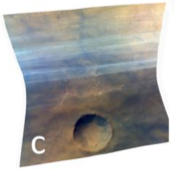
Meteorology of other planets in our solar system provides critical laboratories for testing our climate models, studying new weather mechanisms, and developing climate theories for other worlds. This particular paper discusses a method for identifying carbon dioxide clouds on Mars using infrared spectroscopy.
by Katherine Rosenfeld | Mar 4, 2011 | Daily Paper Summaries
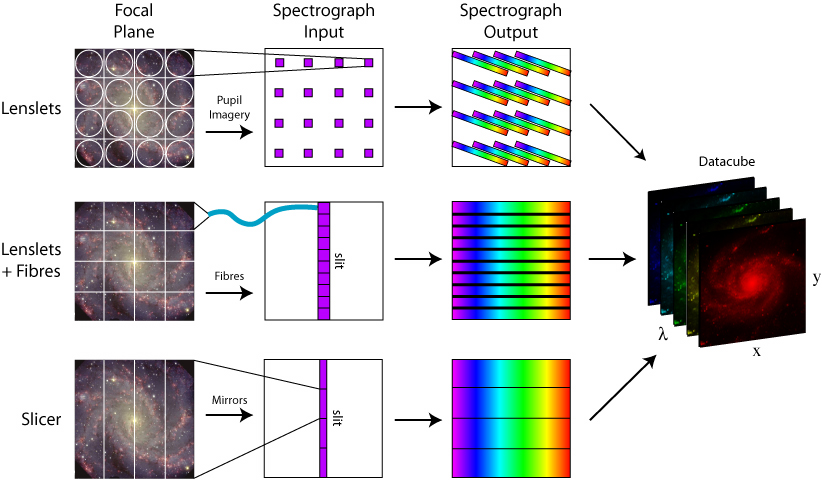
While theoreticians might work in many dimensions, observationalists must often do their analysis using very few. This paper presents observations of a classical nova from two types of spectrographs that determine a distance to the nova and a map of its morphology.
