by Caroline Morley | Dec 7, 2011 | Daily Paper Summaries
Venus transits the Sun, from the frame of the Earth, about twice every century, separated by eight years. The last one happened in 2004, and another is happening in June 2012. Observing the transmission spectrum during the 2012 transit—and comparing it to measured transmission spectra of the Earth, taken during lunar eclipses—will tell us how hard it will be to distinguish two planets that look identical in mass and radius, but have extremely different atmospheric properties.
by Astrobites | Nov 20, 2011 | Undergraduate Research
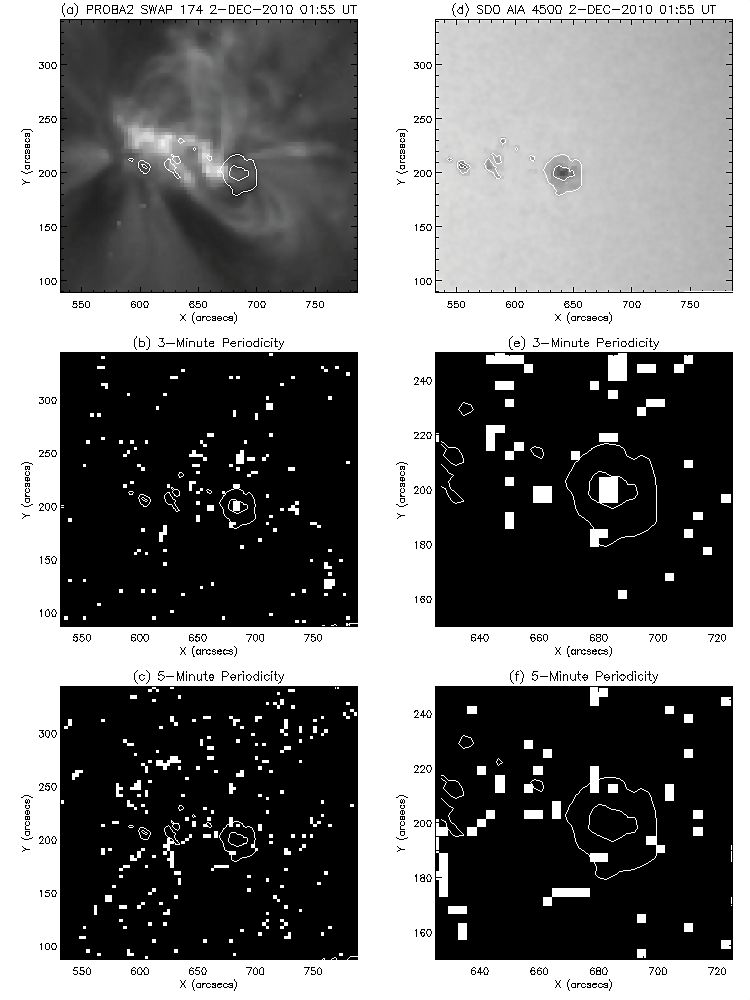
This month’s undergrad research installment features modeling of galaxy redshift distribution and a study of oscillations in the solar corona.
by Caroline Morley | Jul 14, 2011 | Daily Paper Summaries
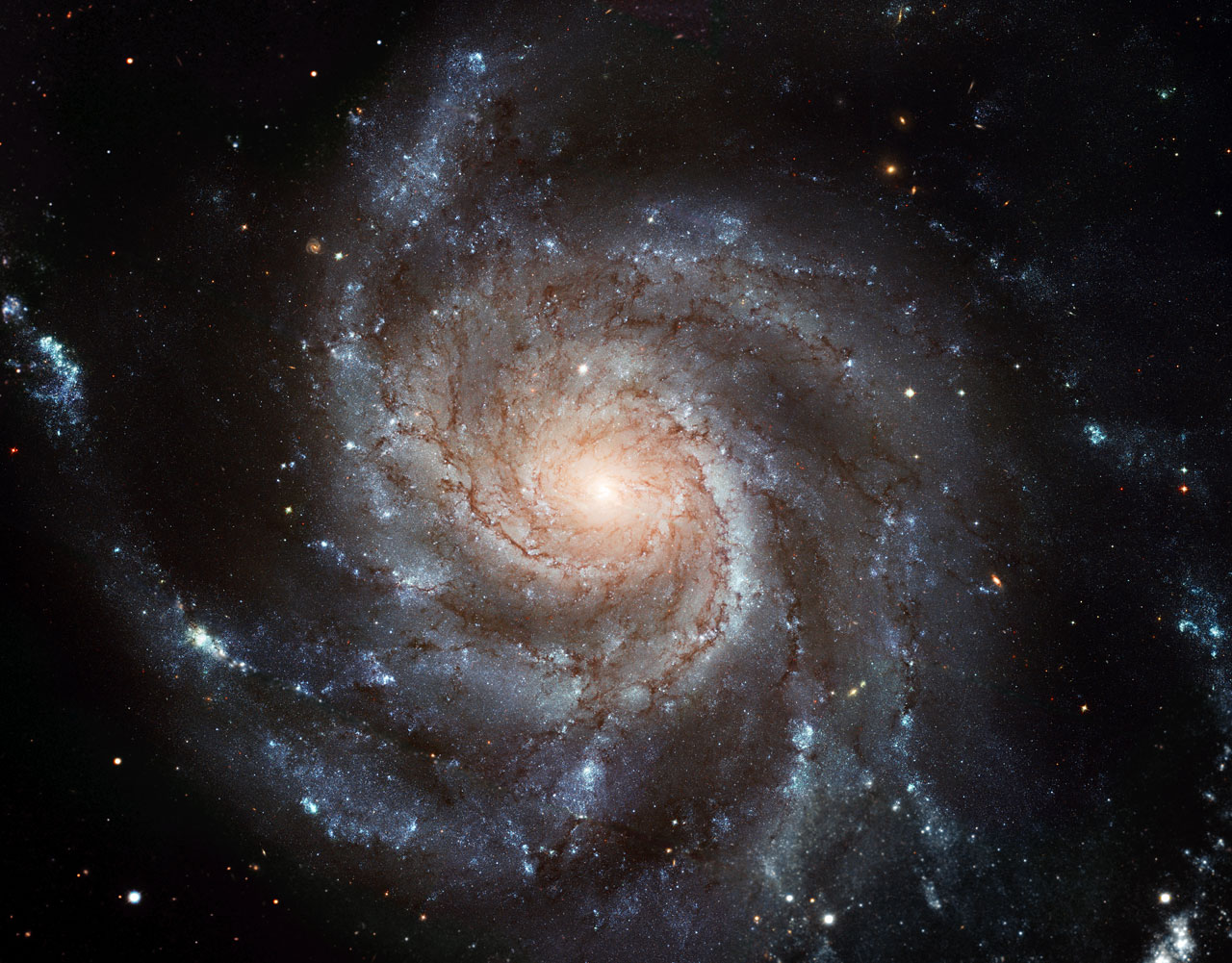
Astronomers who specialize in galaxies and galaxy evolution have started to weigh in on habitability from a completely new perspective. Instead of trying to determine the zone around a star where an orbiting planet could sustain life, they are modeling the zones within the galaxy where planets that harbor complex life would be most likely to form. They dub this zone the Galactic Habitable Zone, or GHZ.
by Caroline Morley | May 10, 2011 | Daily Paper Summaries
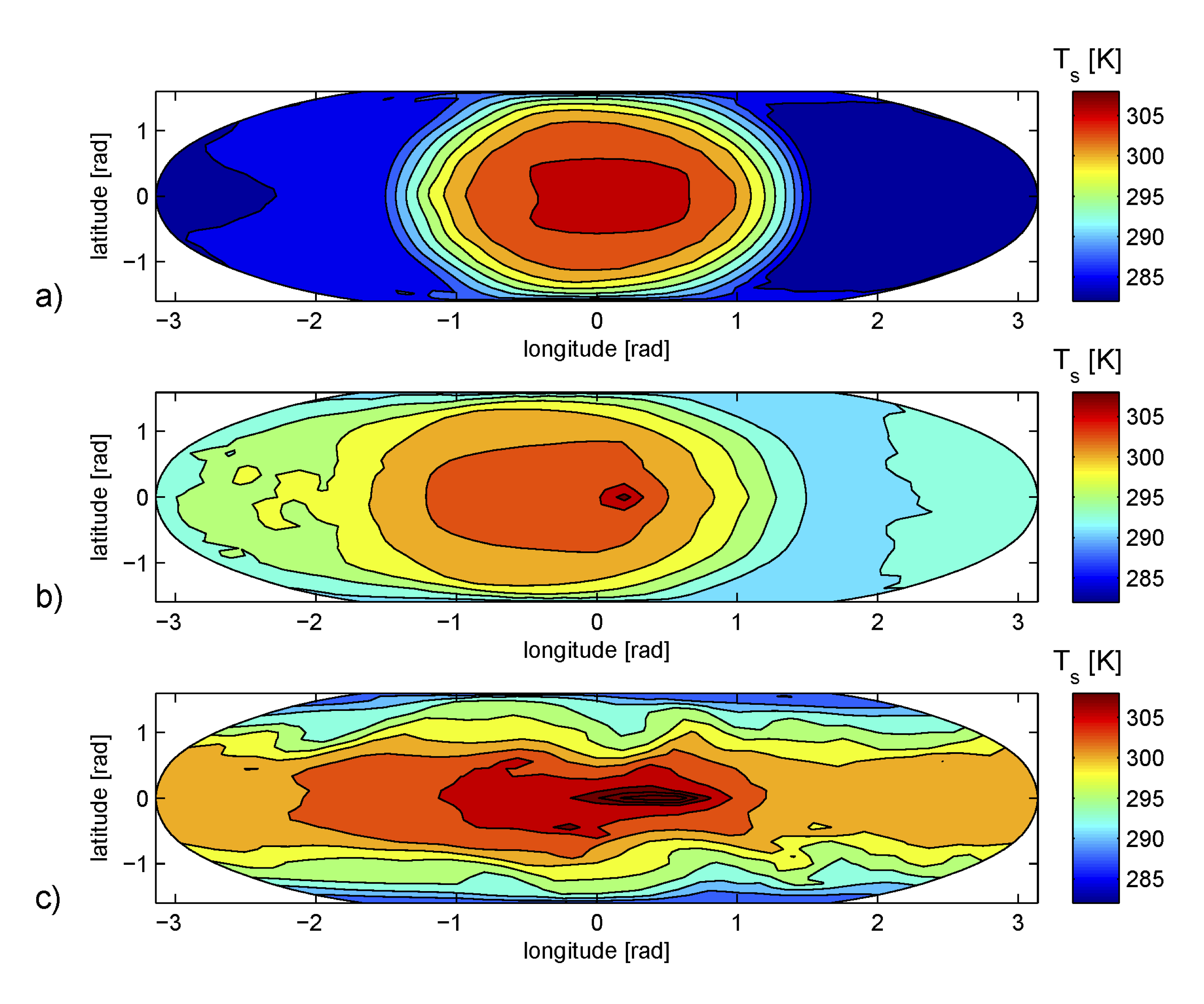
One of the important goals of exoplanet science is to discover habitable planets that have the necessary conditions for life to form and thrive. Such planets will exist within the ‘habitable zone’ of a star. In this paper, the authors present Global Circulation Models which suggest that Gliese 581d could be in the habitable zone if it has a thick carbon dioxide-rich atmosphere.
by Caroline Morley | Mar 1, 2011 | Daily Paper Summaries
Planetary modelers have been particularly puzzled by some of the latest observations of the only multi-planet system that has been directly imaged so far, HR 8799. The photometry of the HR 8799 planets showed that these planets look much redder in color than can be explained by the classic brown dwarf models, suggesting a need for thick iron or silicate cloud layers in exoplanetary atmospheres.
