
by Caroline Morley | Jul 19, 2011 | Daily Paper Summaries
Vesta is a particularly interesting object for learning about the early solar system. It is the second biggest asteroid in the asteroid belt (after Ceres) and is believed to be the sole surviving intact member of a class of objects called planetary embryos. The rest of these embryos either assembled into the planets in the solar system today or were broken apart into smaller asteroids and dust by collisions. By studying Vesta, we can learn about how protoplanets formed and evolved.
by Dan Gifford | Jul 12, 2011 | Personal Experiences
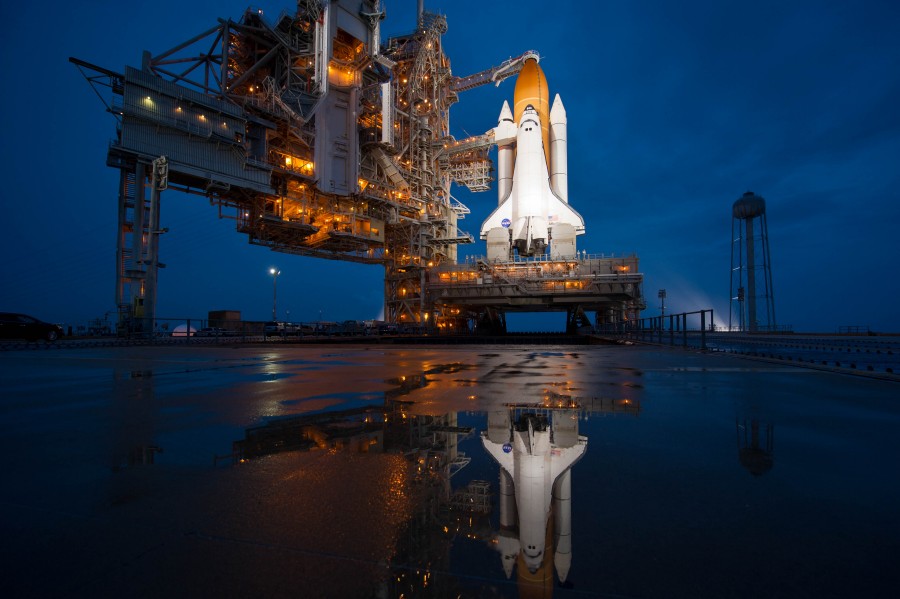
Growing up, my imagination flew as high as the shuttles.
by Elisabeth Newton | Mar 16, 2011 | Quick Notes
If anyone has yet to see yesterday’s astronomy picture of the day, it’s stunning. (The video has sound too!)http://apod.nasa.gov/apod/ap110315.htmlI always find beautiful astronomy pictures inspiring, but this video is especially amazing. I have to remind myself it’s not an...
by Elisabeth Newton | Feb 3, 2011 | Daily Paper Summaries
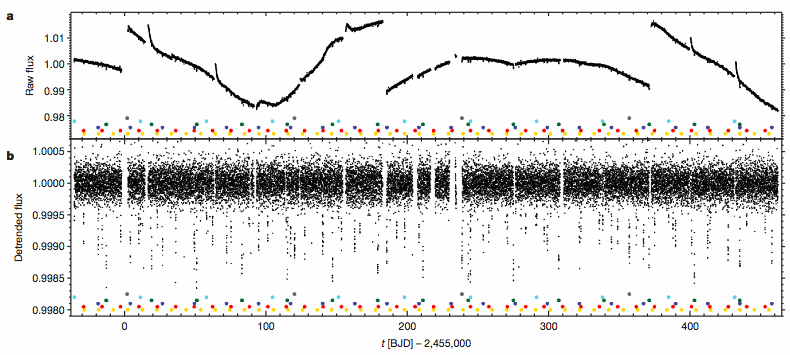
Following the data release, a slew of Kepler papers went up on astro-ph this evening. In my previous post, I went straight to the numbers, but here I’ll discuss the Kepler mission and data in some depth, which I think will generally be useful for understanding current and future Kepler results.
