by Courtney Dressing | Sep 15, 2011 | Daily Paper Summaries
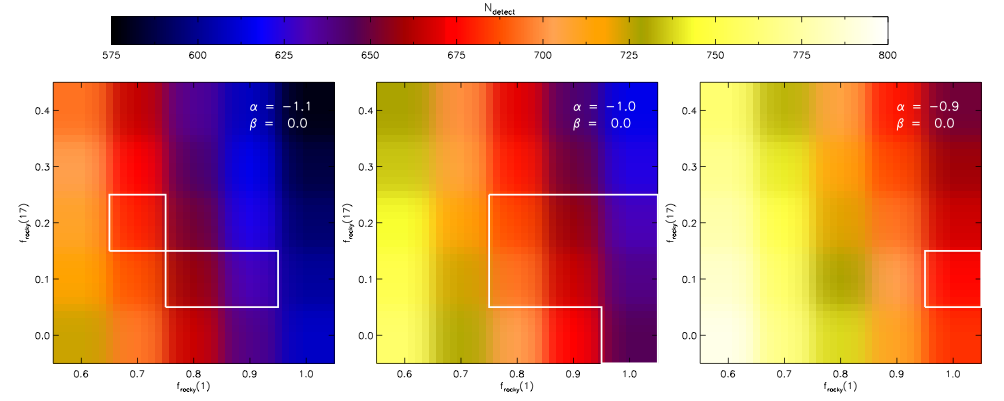
Wolfgang & Laughlin combine observations from the HARPS radial velocity survey and the Kepler transit survey to investigate the mass-radius-period distribution of exoplanets. They find that most small planets are rocky.
by Courtney Dressing | Sep 1, 2011 | Daily Paper Summaries
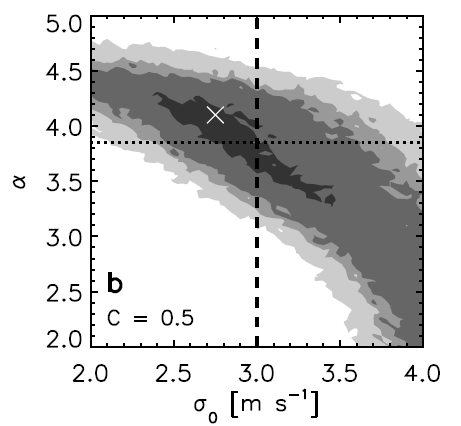
How do the planet candidates discovered by Kepler compare to the planets detected by radial velocity surveys? Can we combine the Kepler radii with the RV masses to determine whether small planets are rocky Super-Earths or gaseous mini-Neptunes?
by Katherine Rosenfeld | Jun 29, 2011 | Daily Paper Summaries
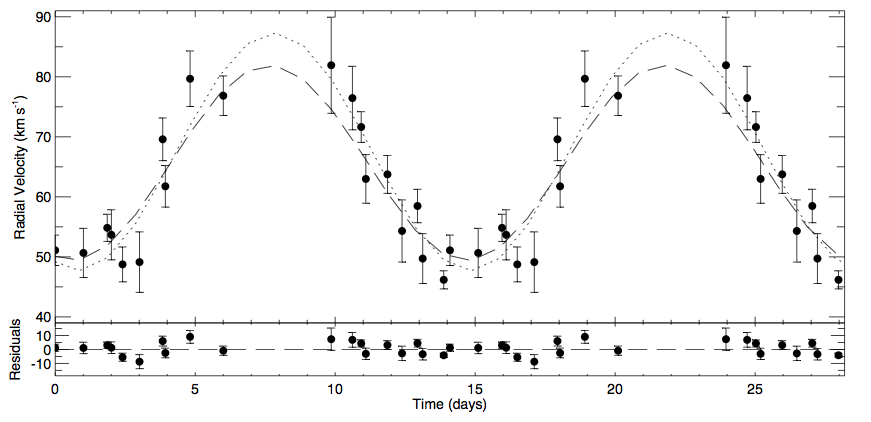
Corroboration and confirmation is the name of this game. Making the same measurement twice — using a different technique — is a powerful way not only to confirm the initial result, but also the method used. This paper confirms a recent detection of a binary system using light-travel time techniques.
by Elisabeth Newton | May 1, 2011 | Daily Paper Summaries
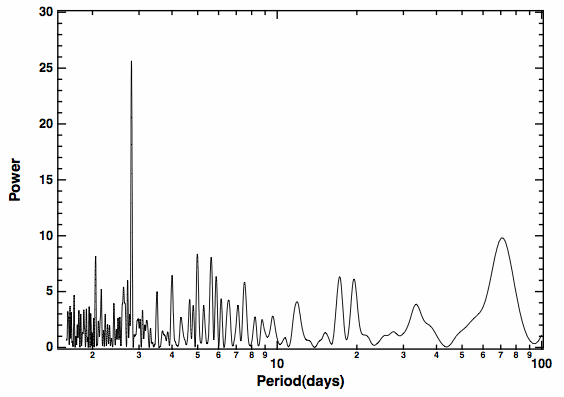
This is the story of exoplanet 55 Cnc e, which was first identified via the radial velocity method as a 14 Earth-mass planet on a 2.8 day orbit. A re-analysis in 2010 pointed towards an even shorter period orbit and a paper on the arxiv last week followed up on those predictions.
by Courtney Dressing | Mar 30, 2011 | Daily Paper Summaries
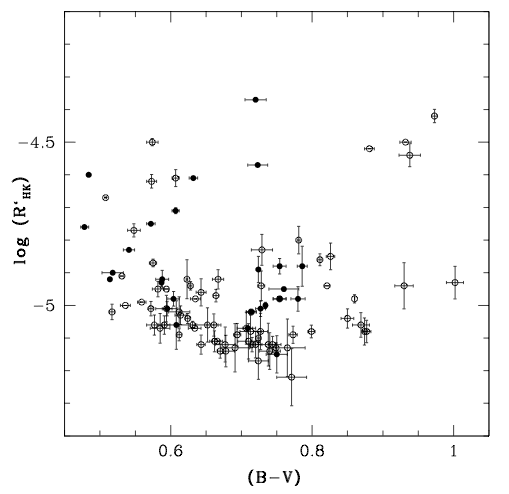
Do close-in planets cause their host stars to become more magnetically active? Canto Martins et al. compare stars with and without planets to address this question.
by Dan Gifford | Jan 27, 2011 | Daily Paper Summaries
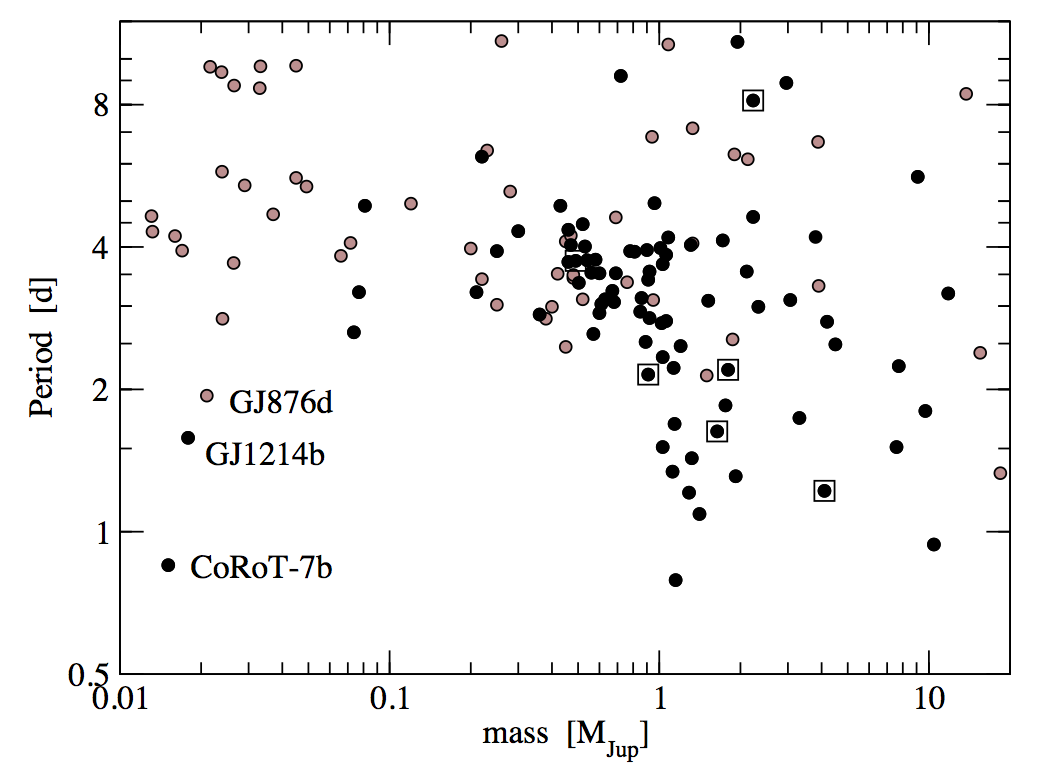
One of the most exciting and fastest growing subfields of astronomy is the detection and study of extrasolar planets. The authors of this paper seek a physical explanation for a noticeable “step” in the mass-period distribution of short-period planets by running several hydrodynamic simulations.
