
The Stuff of Stars
I attempt to summarize what some astronomers have called “undoubtedly the most brilliant Ph.D. thesis ever written in astronomy.”

I attempt to summarize what some astronomers have called “undoubtedly the most brilliant Ph.D. thesis ever written in astronomy.”
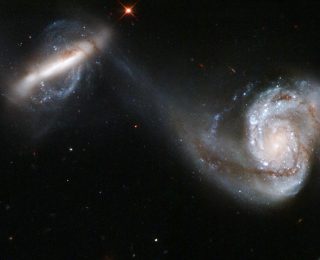
The year is 1978. Some people are wondering how star formation works in weird-looking galaxies.
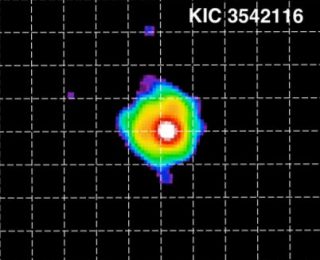
Kepler has stared at the stars and hundreds of exoplanets have waved back. Despite this, we struggle to detect the minor bodies we’re familiar with in our own Solar system around other stars…until recently that is. Today’s bite explores Kepler’s evidence for its first ever exocomet!
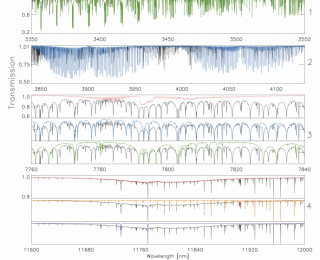
Today’s paper proposes a detection method for technologically advanced life that goes beyond the usual SETI signals: looking at exoplanet atmospheres not just for the presence of life in general, but for the chemical signatures of intelligent life.
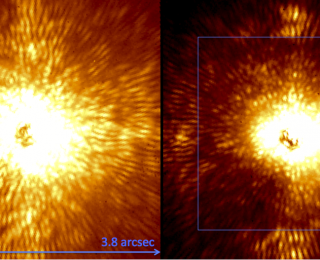
Two years ago this month, I wrote my very first astrobite about the puzzlingly cloudy atmosphere of the outermost planet, HR 8799b; today I’m revisiting the system and looking at a recent paper which measured spectra of not just one planet, but the entire planetary system. This is the first comparative spectroscopic study of any multi-planet system (other than our own Solar System of course).
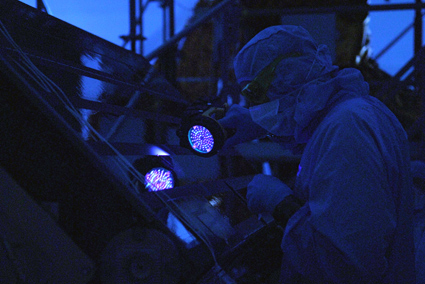
There is much more to a telescope than the size of its mirror. Instruments are often built and optimized with a particular science goal in mind.