by Caroline Morley | Jul 14, 2011 | Daily Paper Summaries
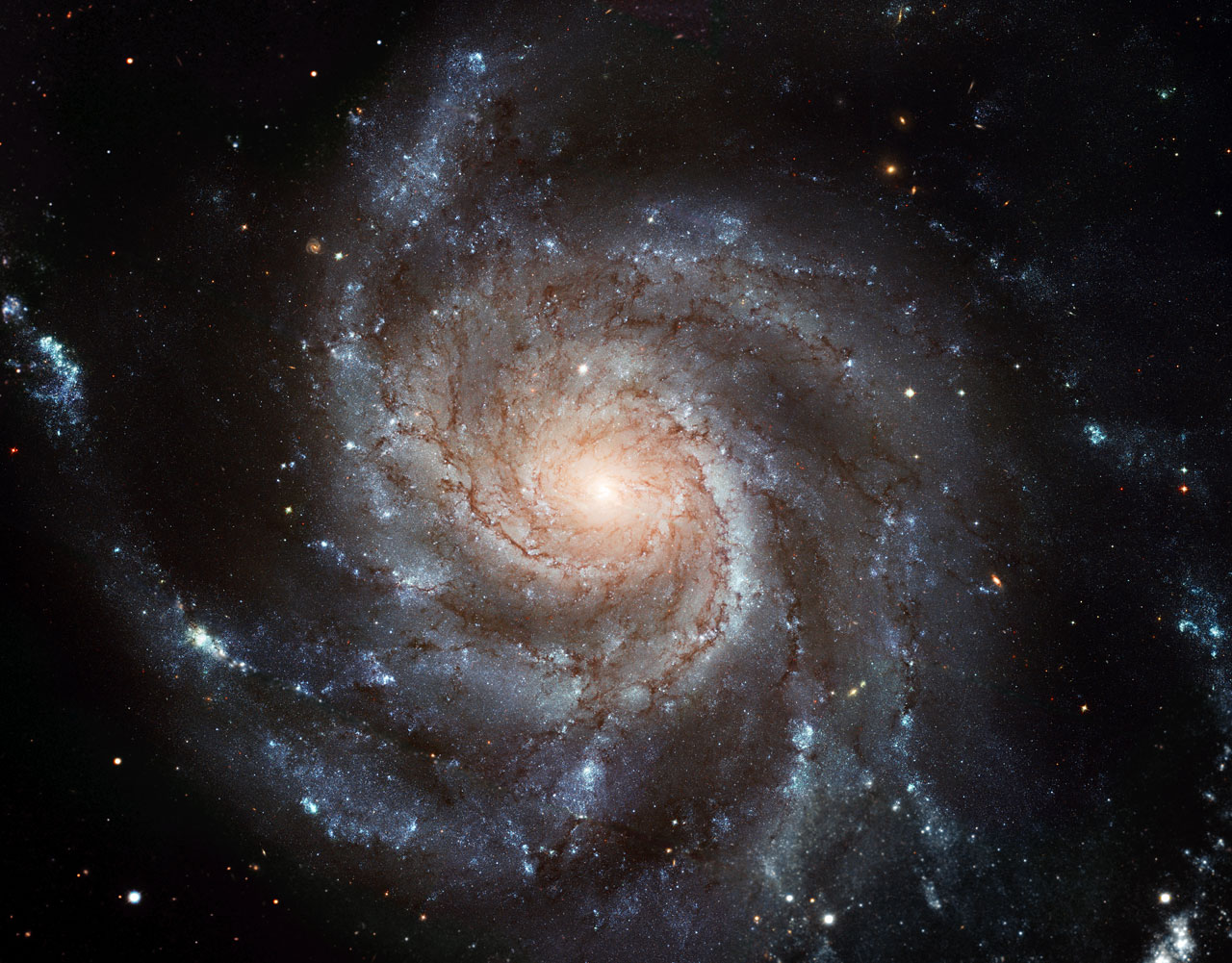
Astronomers who specialize in galaxies and galaxy evolution have started to weigh in on habitability from a completely new perspective. Instead of trying to determine the zone around a star where an orbiting planet could sustain life, they are modeling the zones within the galaxy where planets that harbor complex life would be most likely to form. They dub this zone the Galactic Habitable Zone, or GHZ.
by Caroline Morley | May 24, 2011 | Daily Paper Summaries
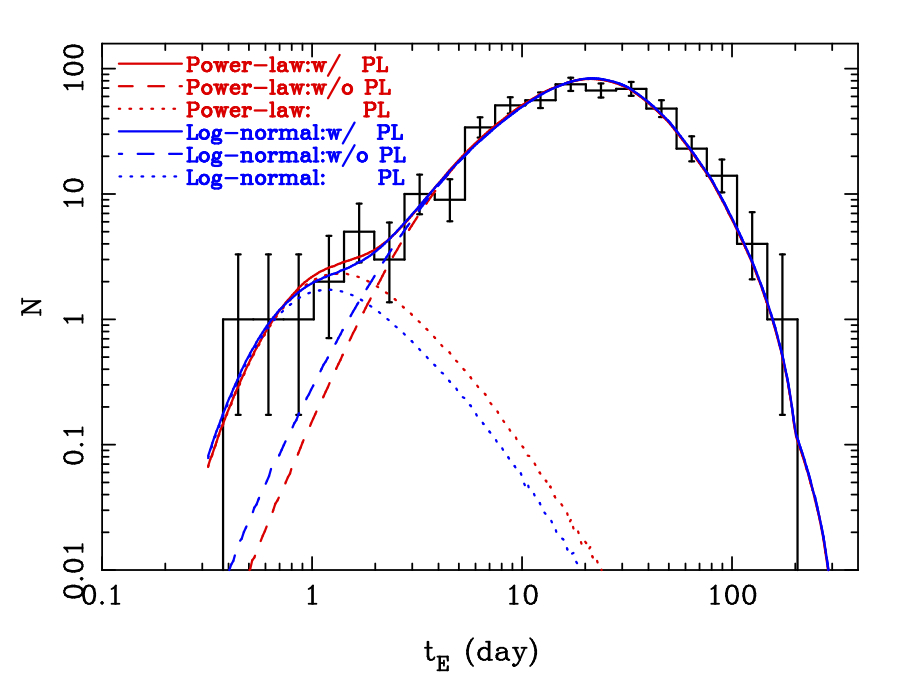
A gravitational microlensing survey finds that there is a large population of planets unbound or far from a star. In fact, the authors of this paper find that there are ~1-3 times as many Jupiter-mass planets at least 10 AU from a main sequence star as there are stars in the galaxy. These objects could either be cold, distant objects in solar systems, or, the authors suggest, they could be free-floating planets, possibly ejected from solar systems after formation.
by Courtney Dressing | May 11, 2011 | Daily Paper Summaries
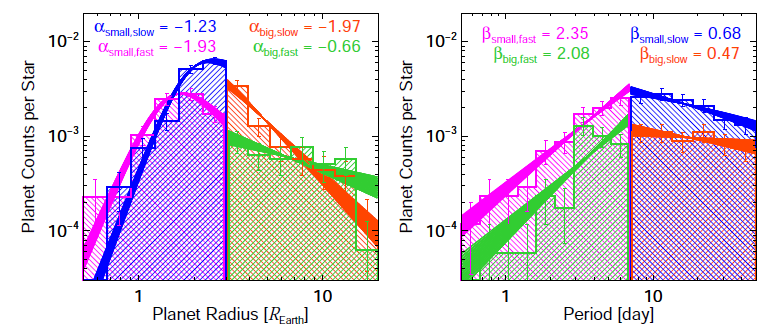
What does the Kepler data tell us about the number of planets per star and the distribution of planets in radius and orbital period? Andrew Youdin addresses that question by considering the selection effects in the Kepler sample and fitting a joint powerlaw in radius and orbital period.
by Katherine Rosenfeld | Apr 1, 2011 | Daily Paper Summaries
Observational astronomers often need data from sophisticated, expensive, and rare telescopes perched on top of mountains or the edge of space. The authors of this paper showcase a totally different technique that harnesses a Yahoo! image search to figure out the orbit of a comet.
by Courtney Dressing | Mar 30, 2011 | Daily Paper Summaries
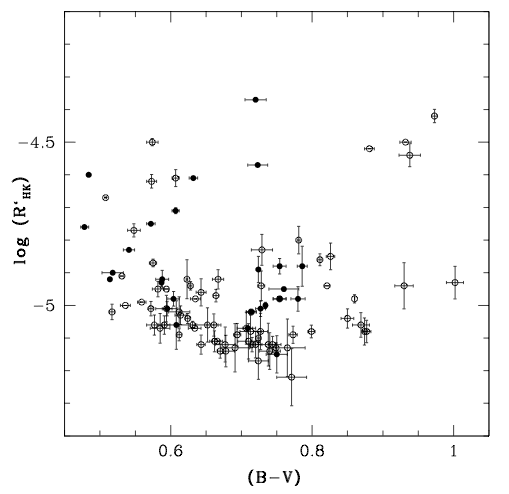
Do close-in planets cause their host stars to become more magnetically active? Canto Martins et al. compare stars with and without planets to address this question.
by Nathan Sanders | Mar 21, 2011 | Daily Paper Summaries
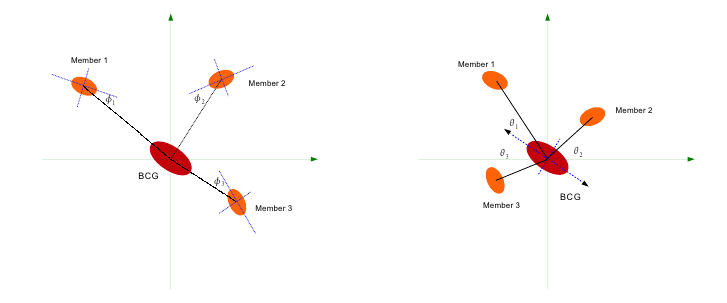
If you see a bunch of galaxies together in a cluster, are their orientations and orbits random or do they align?
