by Courtney Dressing | Mar 16, 2011 | Daily Paper Summaries
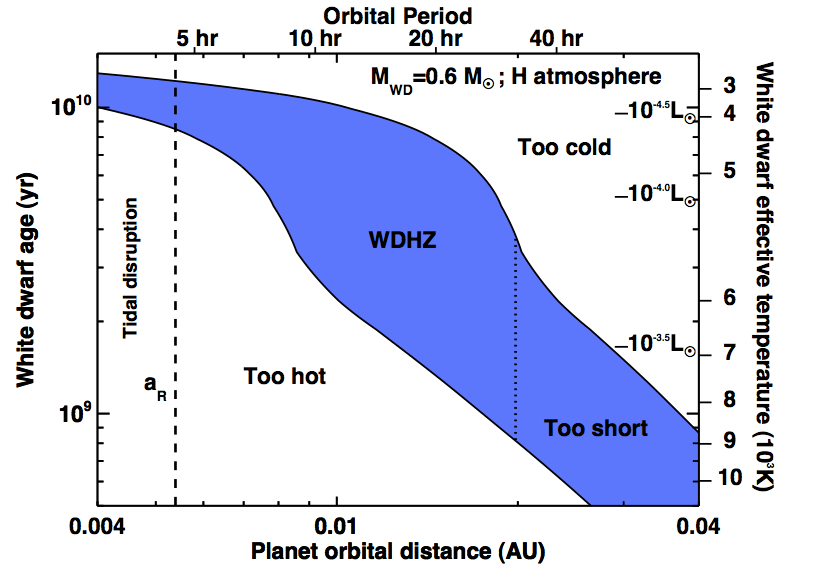
The Kepler mission is doing a fantastic job detecting planets around main sequence stars, but what about white dwarfs? Do they have planets? If they do, Agol 2011 suggests that those planets could be detected in ground-based transit surveys.
by Caroline Morley | Mar 15, 2011 | Daily Paper Summaries
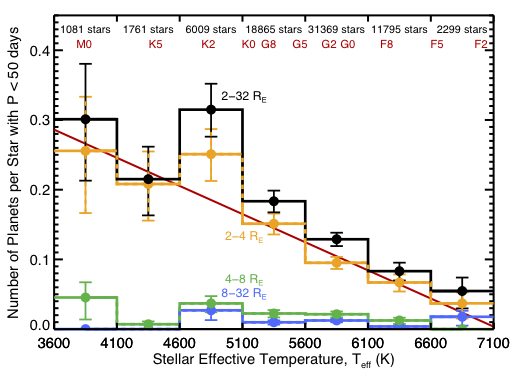
The Kepler mission is hot right now, having just released it’s largest data set ever last month. One of the main aims of Kepler is to get statistics on exoplanets. How rare are they? Which stars have the most planets? What sized planets are most common? How far away are they from their host star? In the latest paper to be published by the Kepler Science Team, Howard et al. attempt to begin to answer some of these questions by analyzing the trends in the published data.
by Dan Gifford | Feb 25, 2011 | Career Navigation
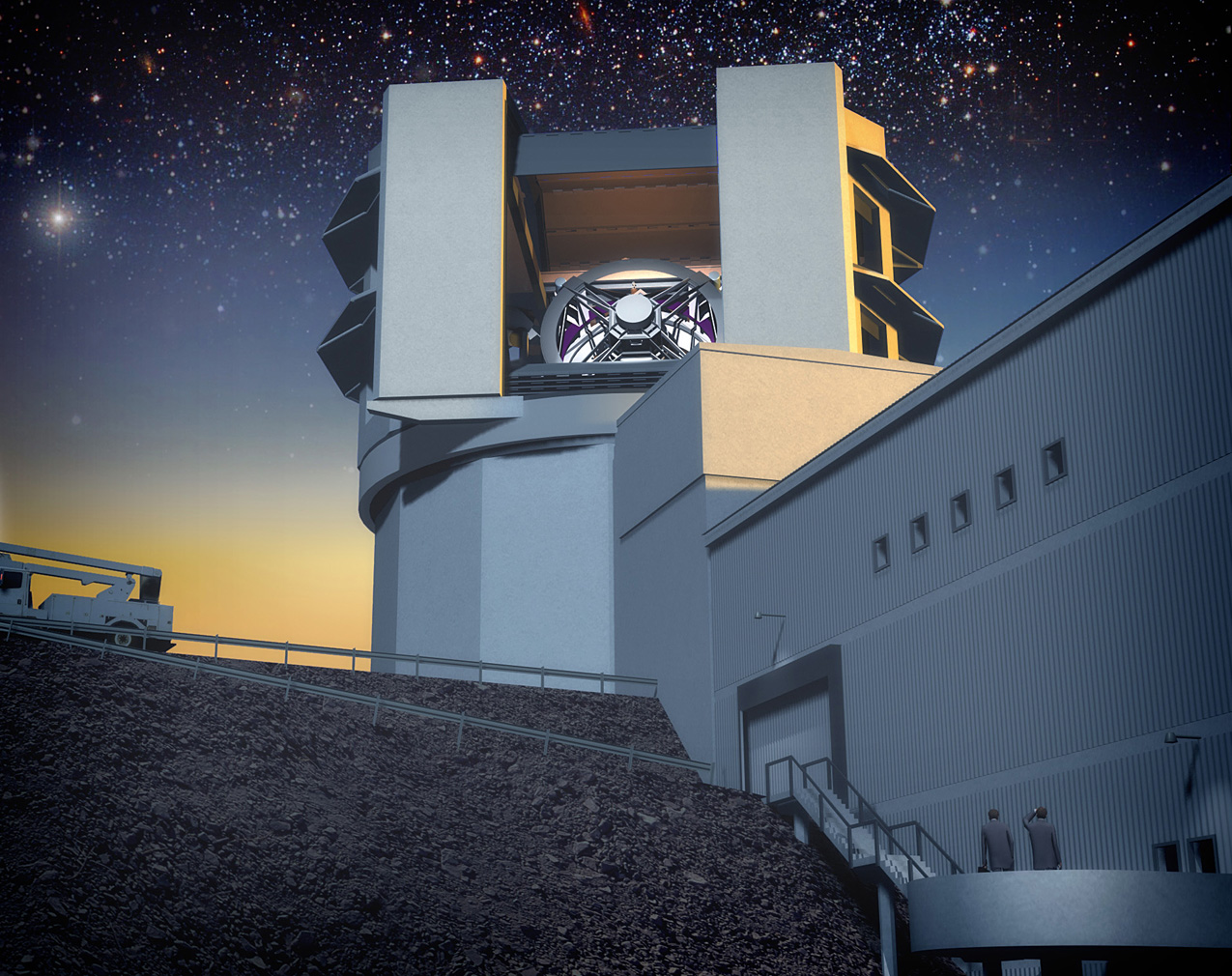
Large sky surveys like SDSS and 2MASS have become widely successful and have prompted a next generation of dedicated survey telescopes like LSST, the Dark Energy Survey, and Pan-STARRS. These telescopes will unleash a tidal wave of data into astronomers’ open arms (or external hard drives). But how do you catch a tidal wave?
by Nathan Sanders | Feb 16, 2011 | Daily Paper Summaries
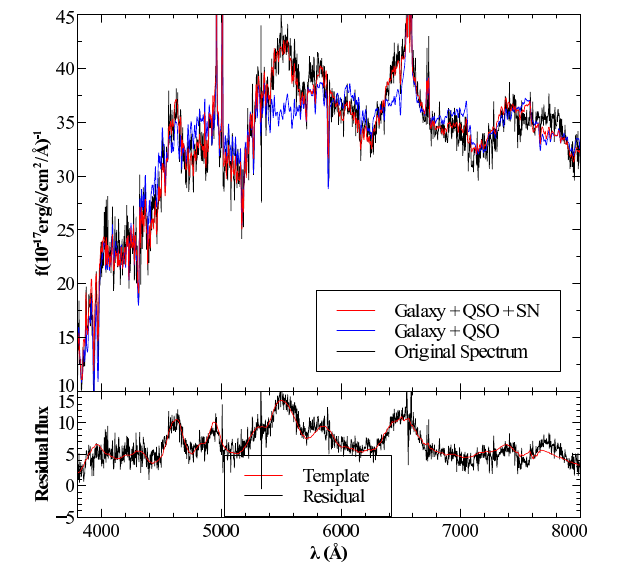
Each galaxy in the sky will probably produce just one or two supernovae in our lifetimes, so you have to be lucky to spot one. But if you happen to be observing hundreds of thousands of galaxies anyway, you’re bound to catch a few.
by Elisabeth Newton | Feb 3, 2011 | Daily Paper Summaries
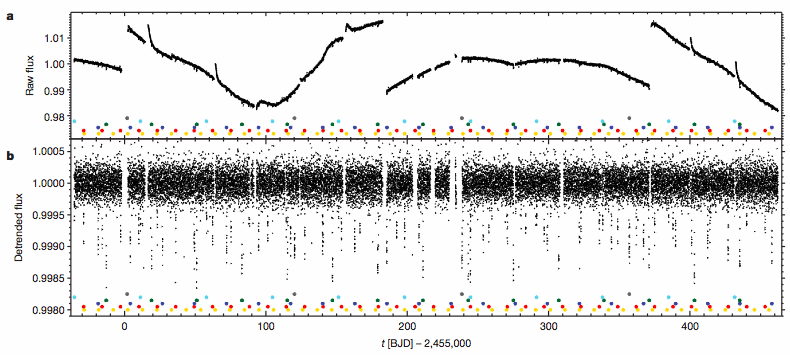
Following the data release, a slew of Kepler papers went up on astro-ph this evening. In my previous post, I went straight to the numbers, but here I’ll discuss the Kepler mission and data in some depth, which I think will generally be useful for understanding current and future Kepler results.
by Ian Czekala | Jan 5, 2011 | Daily Paper Summaries
Polarimetry is one of the handful of fundamental methods used to study incoming radiation and can provide substantial clues to the nature of the source. Polarimetry is used to extract information such as the strength of magnetic fields in the interstellar medium (ISM), provide evidence for inflation by observations of the CMB polarization, and motivate a unified model for active galactic nuclei (AGN).
