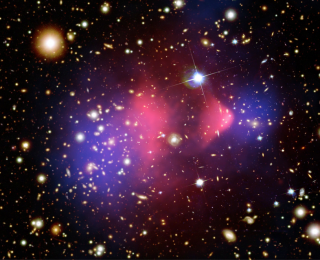
Galaxy Clusters, Cosmology, and Beethoven’s No. 6
This article explores the utility of galaxy clusters as a probe for precision cosmology, by reviewing some of the seminal literature in the field. Somewhere along the way, a symphony is heard.

This article explores the utility of galaxy clusters as a probe for precision cosmology, by reviewing some of the seminal literature in the field. Somewhere along the way, a symphony is heard.
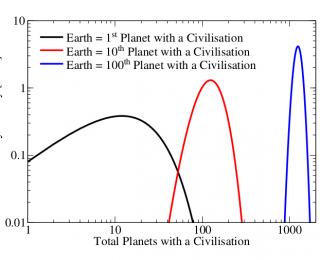
By combining galaxy formation histories and planet formation models, we can estimate the number of potential civilizations in our Universe.
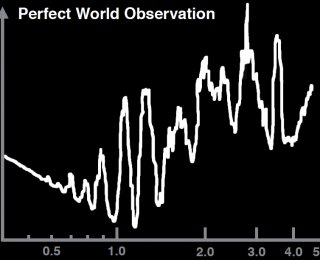
We hear a lot about exoplanet observations and the results from atmospheric modeling. But what is the magic that happens in between?? Here we take a look at the exciting bridge between exoplanet observations and atmospheric modeling.

Our current best radial velocities are precise to about 1m/s. How do we make the step towards achieving 10cm/s precision?
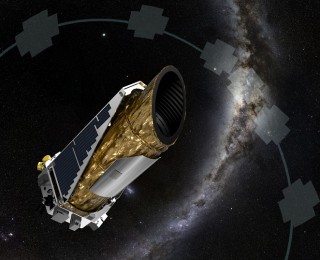
A new analysis technique, that fits simultaneously for light-curve systematics and transit signals, finds 36 planet candidates in the K2 dataset — Kepler is still in the game!
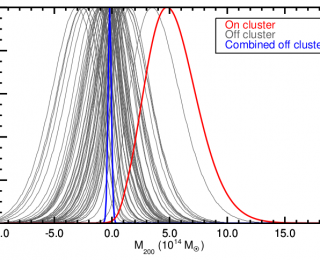
Measuring CMB distortions caused by gravitational lensing is a unique way of estimating galaxy cluster masses.