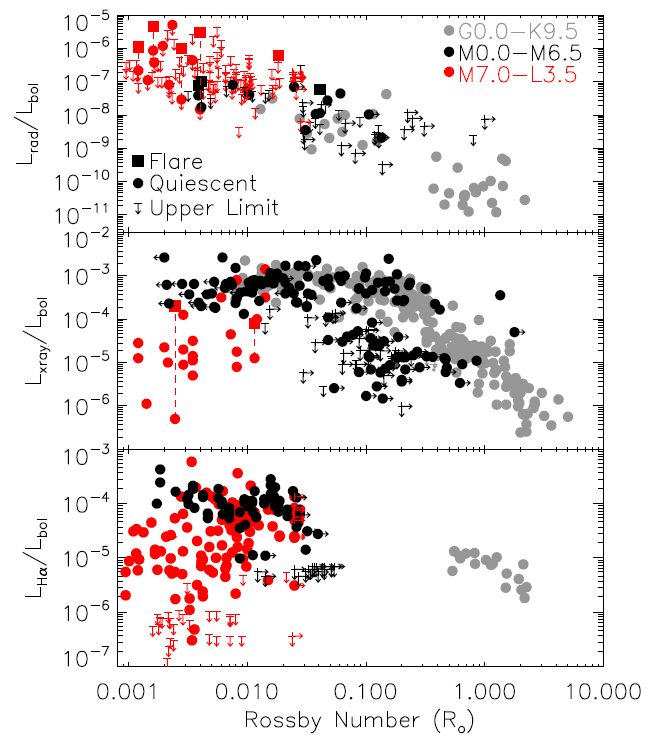
The Radio Activity-Rotation Relation of Ultracool Dwarfs
McLean et al. observe a new sample of late-M and L dwarfs with the Very large Array to search for a relation between rotation rate and radio activity for ultracool dwarfs.

McLean et al. observe a new sample of late-M and L dwarfs with the Very large Array to search for a relation between rotation rate and radio activity for ultracool dwarfs.
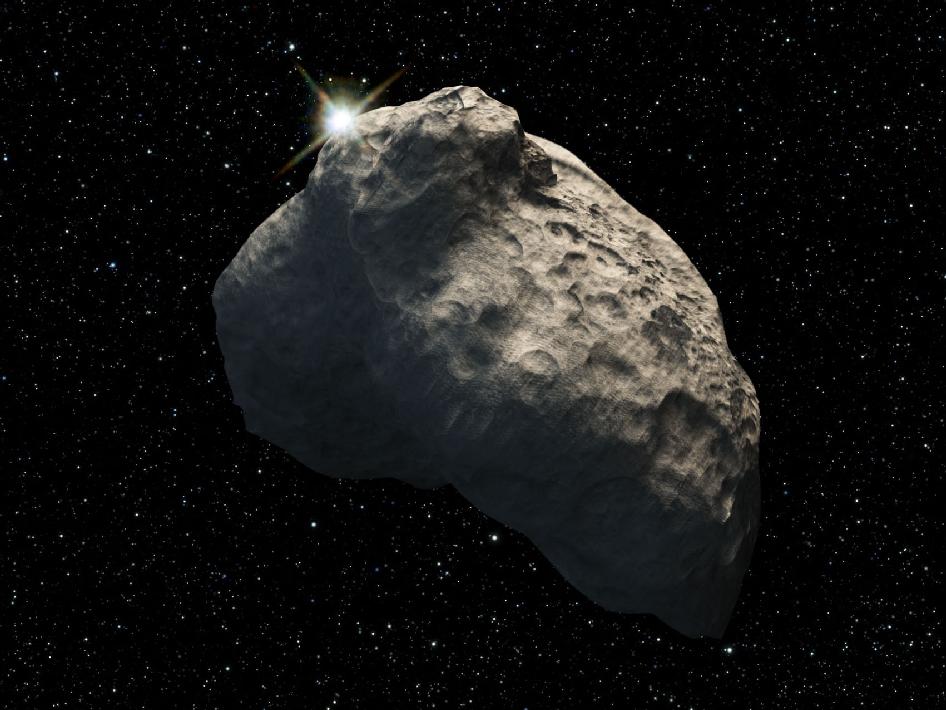
A paper published on the archive this week reveals fourteen newly discovered Kuiper Belt Objects (KBOs) found using ground-based imaging in the Southern part of the sky. Three of these could be big enough to be dwarf planets! By learning about the population, orbital structures, and compositions of the largest objects in the Kuiper Belt, we can learn about the solar system formation and evolution.
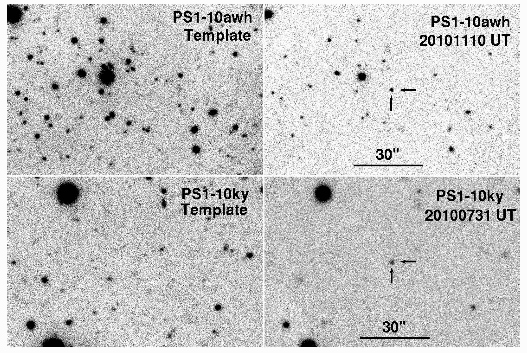
Starting in 2005 with SN 2005ap, astronomers began to detect new transients that are far more luminous than previously-known supernovae. With brightnesses ten times those seen in Type 1a’s, these new supernovae have been dubbed “ultraluminous supernovae.” This paper presents two new supernovae discovered by Pan-STARRS.
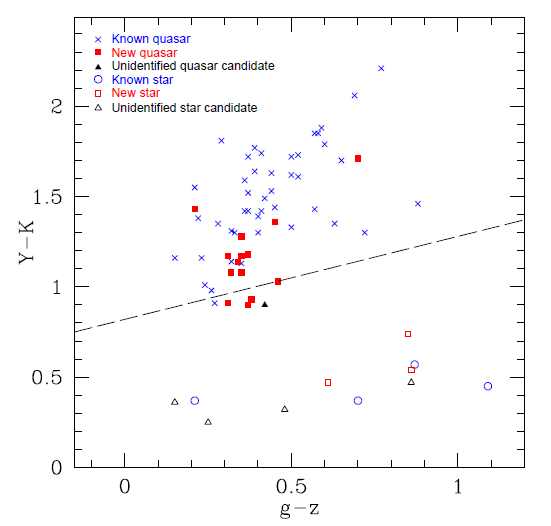
What happens when redshifted quasars masquerade as stars? How do astronomers isolate them from the stellar population?
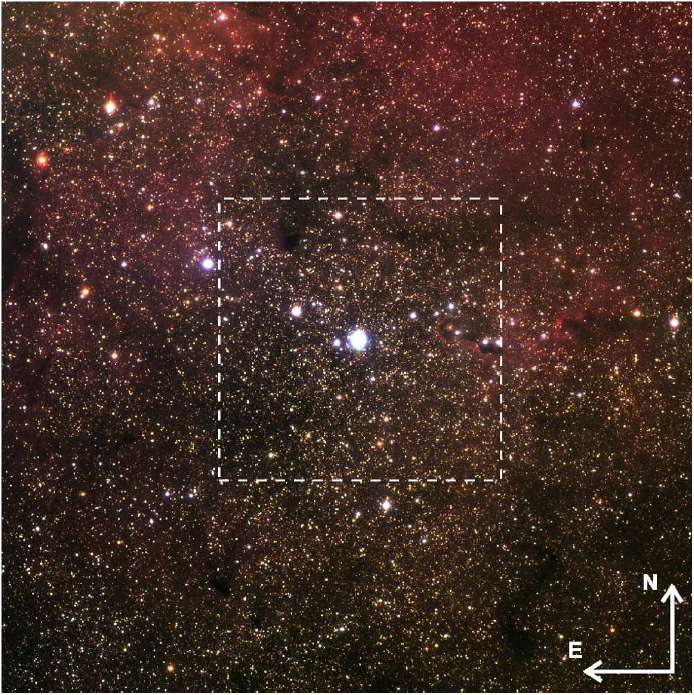
Neuhäuser et al. are searching for young Jovian planets orbiting stars in open clusters. What are the advantages of looking for planets in clusters?
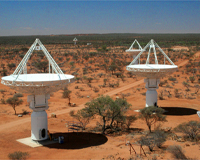
EMU will contribute to many different areas of astrophysics from stars to galaxies to cosmology; it will find interesting objects that can be followed up with other observatories designed for deep observations such as ALMA. ASKAP will also provide an excellent testbed for the new phased array detector technology expected to be used in the Square Kilometre Array in the next decade.