by Elisabeth Newton | Jun 9, 2011 | Daily Paper Summaries
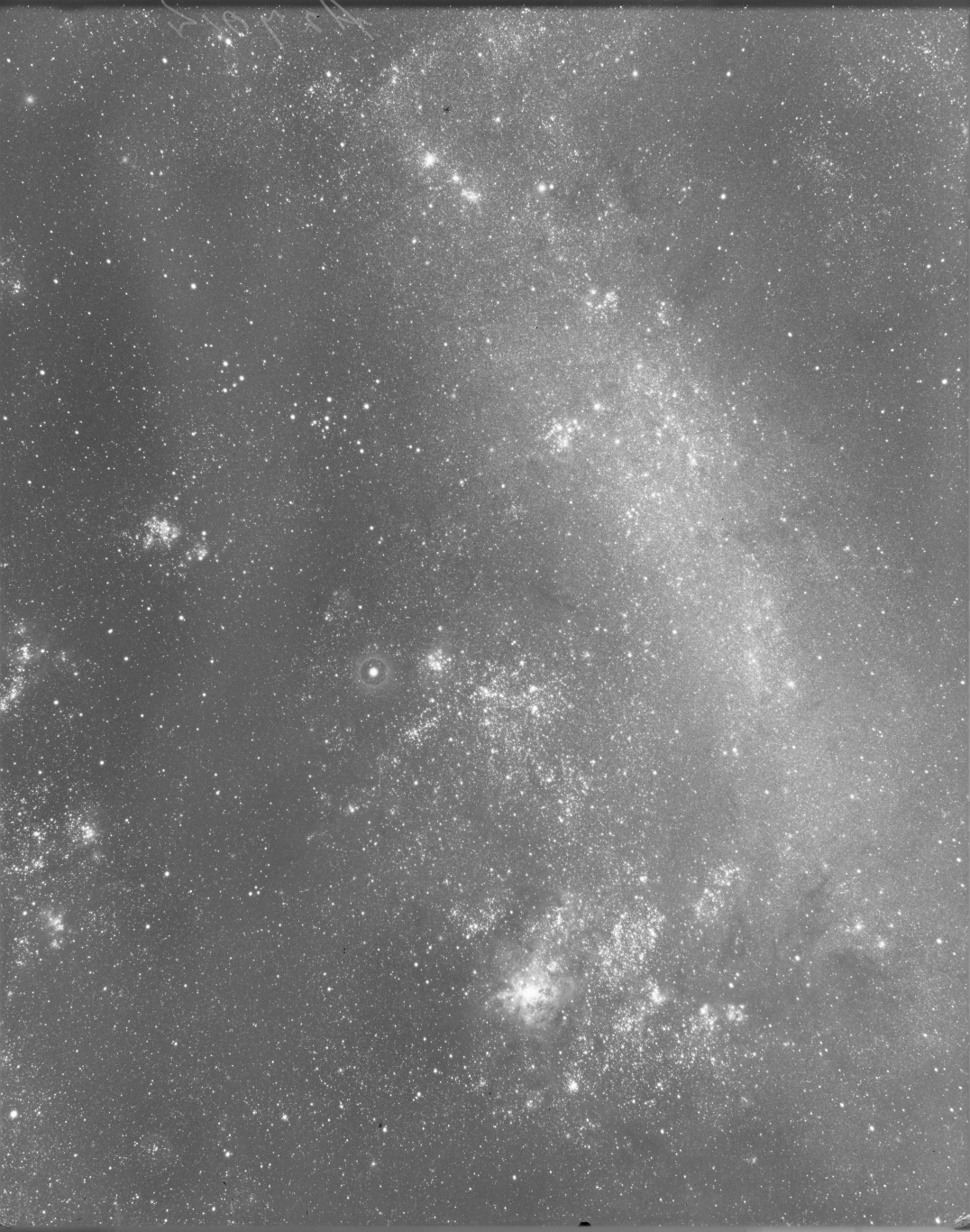
How do stars vary on a hundred year time scale? The DASCH (Digital Access to a Sky Century @ Harvard) Team has been looking back at data taken over the last century in order to answer this question. This paper reports the most recent DASCH discovery, which concerns the star KU Cyg. This is an eclipsing binary system in which a more massive F star is gaining mass from a red giant. The authors noticed a 0.5 magnitude drop in the brightness of the star around 1900 that lasts for five years.
by Caroline Morley | May 24, 2011 | Daily Paper Summaries
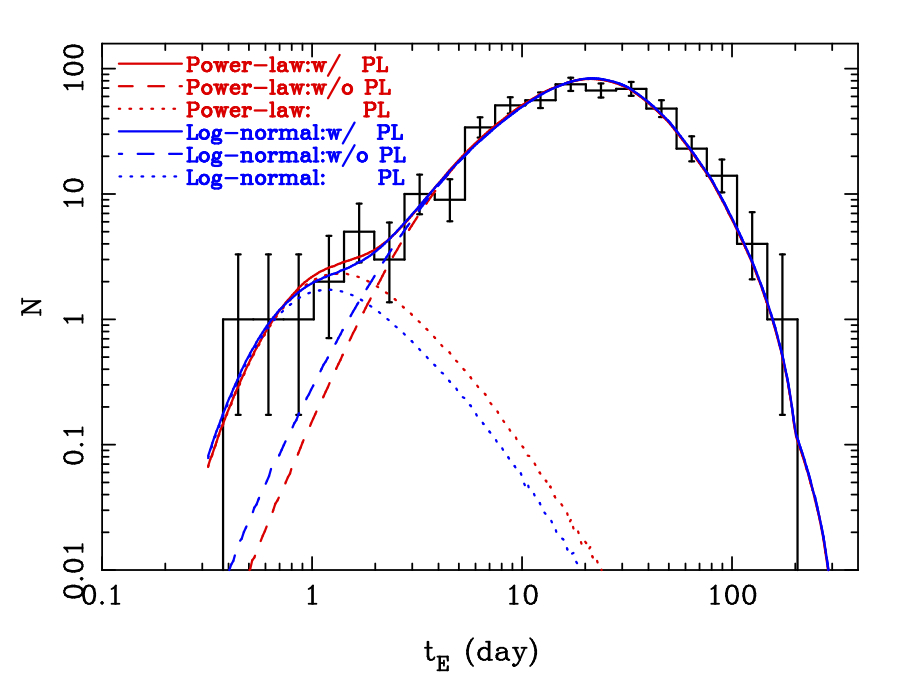
A gravitational microlensing survey finds that there is a large population of planets unbound or far from a star. In fact, the authors of this paper find that there are ~1-3 times as many Jupiter-mass planets at least 10 AU from a main sequence star as there are stars in the galaxy. These objects could either be cold, distant objects in solar systems, or, the authors suggest, they could be free-floating planets, possibly ejected from solar systems after formation.
by Courtney Dressing | Mar 30, 2011 | Daily Paper Summaries
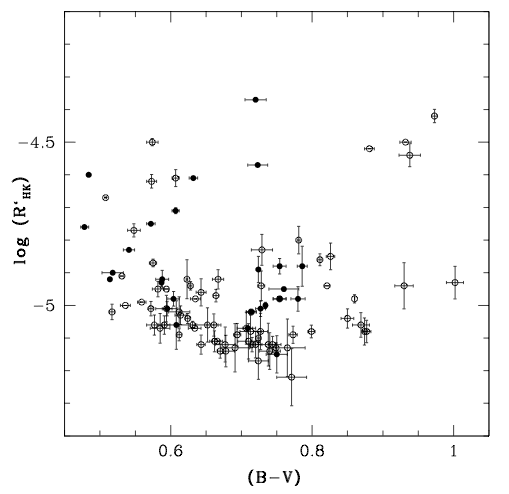
Do close-in planets cause their host stars to become more magnetically active? Canto Martins et al. compare stars with and without planets to address this question.
by Courtney Dressing | Mar 16, 2011 | Daily Paper Summaries
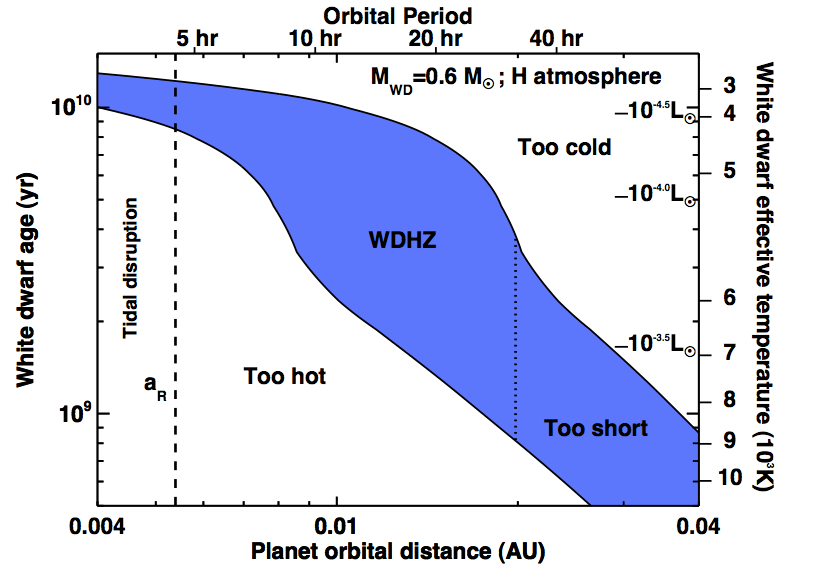
The Kepler mission is doing a fantastic job detecting planets around main sequence stars, but what about white dwarfs? Do they have planets? If they do, Agol 2011 suggests that those planets could be detected in ground-based transit surveys.
by Nathan Sanders | Feb 27, 2011 | Quick Notes
Even if you already took our first survey, you can help us improve Astrobites even more by taking our second very brief reader survey. There are just 6 short questions and it will only take a couple minutes.
by Nathan Sanders | Feb 16, 2011 | Daily Paper Summaries
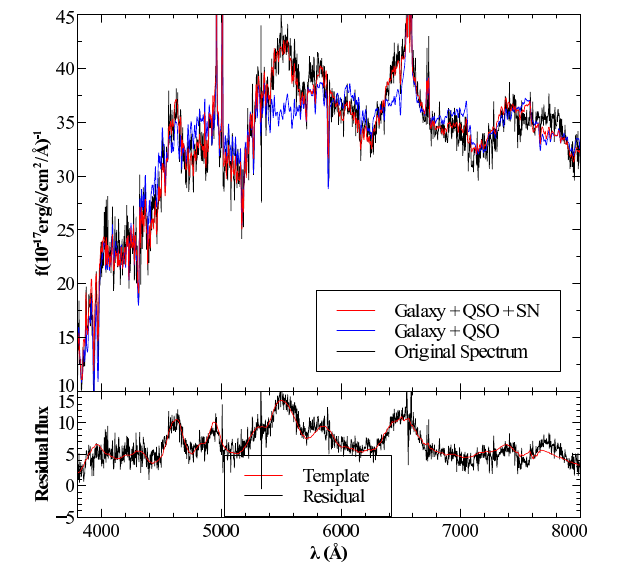
Each galaxy in the sky will probably produce just one or two supernovae in our lifetimes, so you have to be lucky to spot one. But if you happen to be observing hundreds of thousands of galaxies anyway, you’re bound to catch a few.
