by Elizabeth Lovegrove | Sep 23, 2013 | Daily Paper Summaries
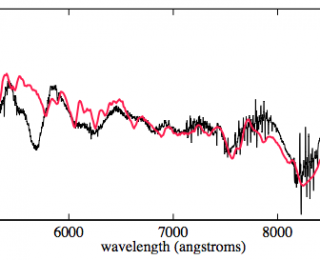
In this paper the authors present simulations of a model to explain rapidly-fading supernovae, a class of transients whose lightcurves decline quickly without substantial radioactive tails. They posits a standard core-collapse explosion of a standard Type Ib/Ic supernova progenitor, but one that produces very little radioactivity and instead exhibits a light curve governed by oxygen recombination.
by Maria Drout | Jul 29, 2013 | Daily Paper Summaries
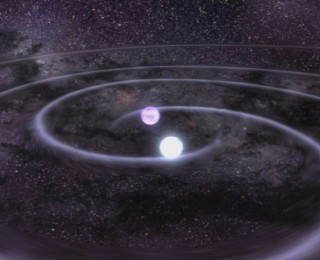
Recently, a population of short (a few micro-seconds) and energetic radio bursts were identified at cosmological distances. Today’s paper hypothesizes that these “Fast Radio Bursts” may be created in the final moments of a neutron star merger.
by Maria Drout | Nov 12, 2012 | Daily Paper Summaries
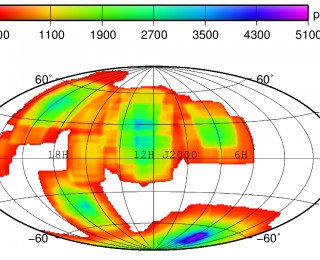
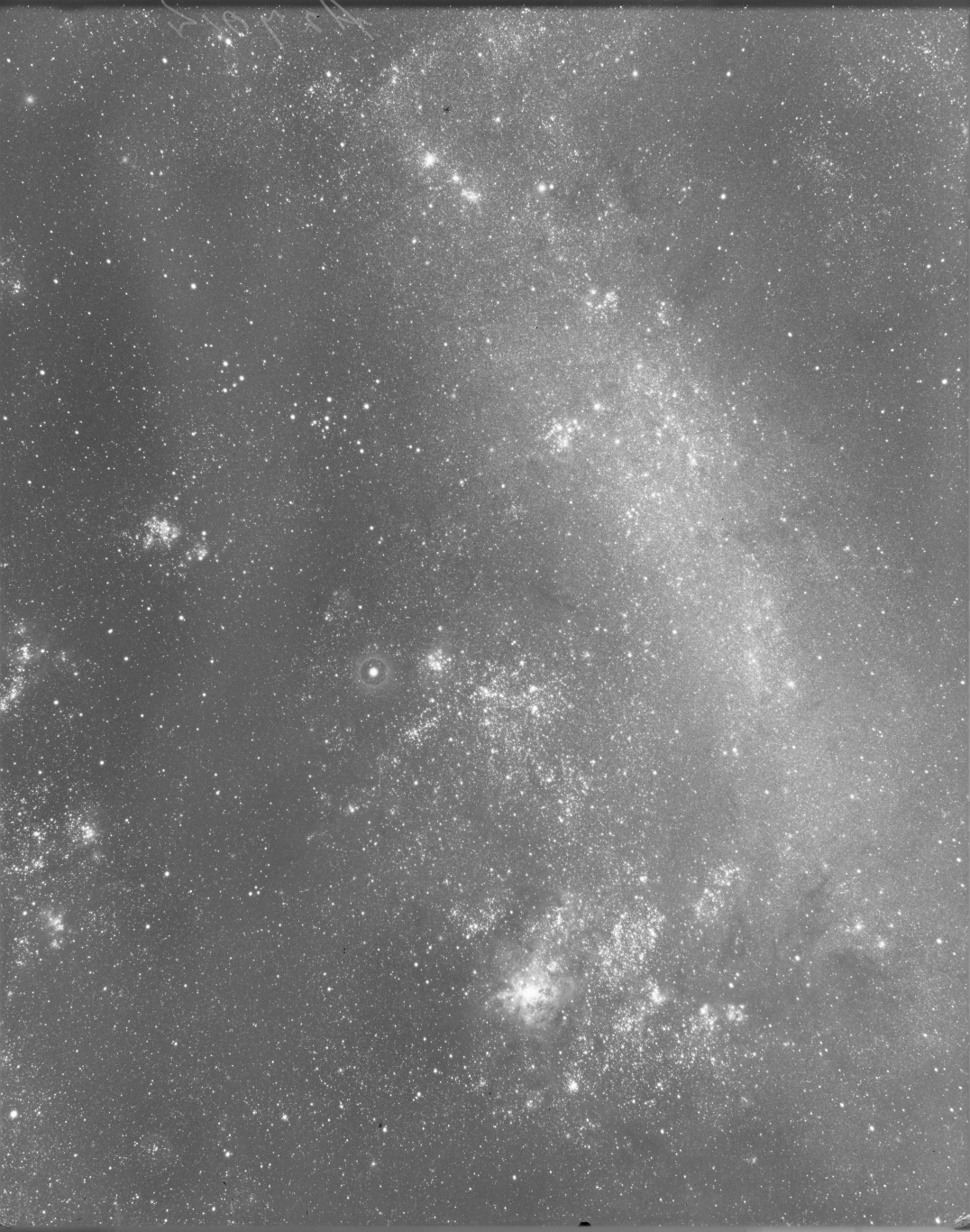
Astronomers at Harvard are working to digitize over 500,000 historic photographic plates obtained between 1985 and 1993. With about ~8% of the plates scanned they are already offering us a unique glimpse into the variability of the universe on a 100 year time scale.
by Michelle Kislak | Apr 11, 2012 | Daily Paper Summaries
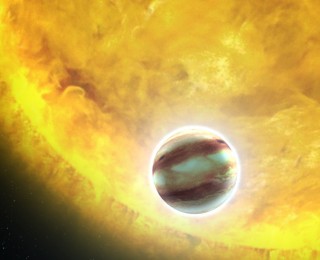
A theoretical study of what we can expect to see when a hot Jupiter crashes into its host star.
by Elisabeth Newton | Jun 9, 2011 | Daily Paper Summaries
How do stars vary on a hundred year time scale? The DASCH (Digital Access to a Sky Century @ Harvard) Team has been looking back at data taken over the last century in order to answer this question. This paper reports the most recent DASCH discovery, which concerns the star KU Cyg. This is an eclipsing binary system in which a more massive F star is gaining mass from a red giant. The authors noticed a 0.5 magnitude drop in the brightness of the star around 1900 that lasts for five years.
by Susanna Kohler | Apr 22, 2011 | Daily Paper Summaries
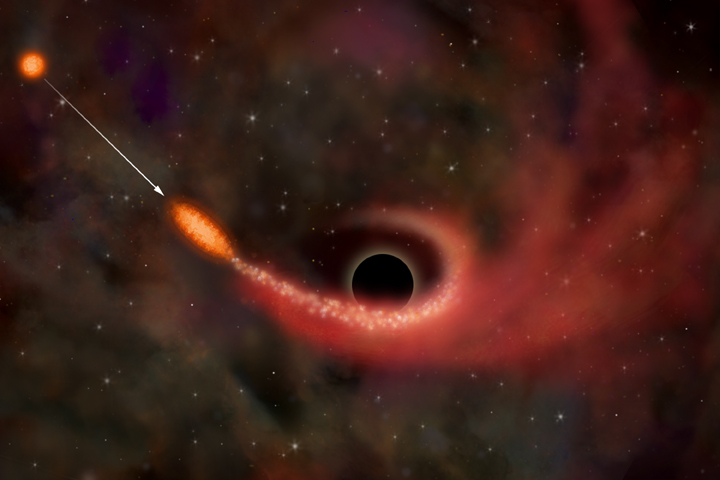
What happens when a normally-dormant black hole at the center of a galaxy tears apart a passing star and burps it back out again in the form of a jet? The authors of this paper think that the Swift satellite has recently witnessed exactly this!
