by Caroline Morley | Mar 15, 2011 | Daily Paper Summaries
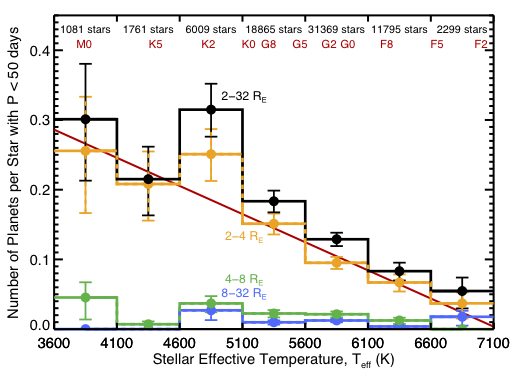
The Kepler mission is hot right now, having just released it’s largest data set ever last month. One of the main aims of Kepler is to get statistics on exoplanets. How rare are they? Which stars have the most planets? What sized planets are most common? How far away are they from their host star? In the latest paper to be published by the Kepler Science Team, Howard et al. attempt to begin to answer some of these questions by analyzing the trends in the published data.

by Courtney Dressing | Mar 2, 2011 | Daily Paper Summaries
Ballard et al. analyze data acquired with EPOXI to search for additional planets in five systems with known planets.
by Elisabeth Newton | Feb 3, 2011 | Daily Paper Summaries
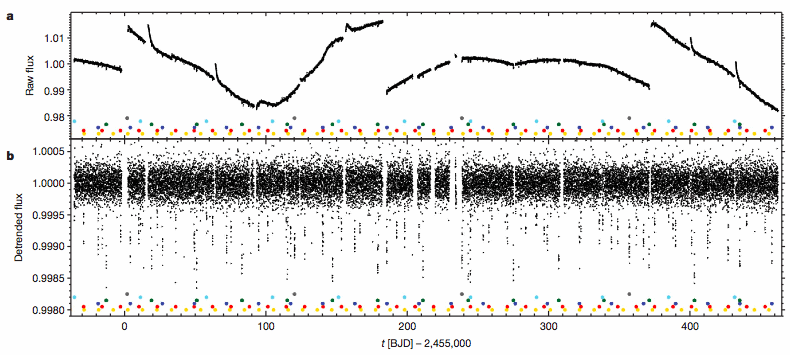
Following the data release, a slew of Kepler papers went up on astro-ph this evening. In my previous post, I went straight to the numbers, but here I’ll discuss the Kepler mission and data in some depth, which I think will generally be useful for understanding current and future Kepler results.

by Elisabeth Newton | Feb 2, 2011 | Quick Notes
Yesterday, Kepler released data on the 400 most promising and interesting candidate planets and today announced their discoveries. Kepler has now found 1,235 planet candidates, ranging in size from about Earth-sized to larger than Jupiter.
by Dan Gifford | Jan 27, 2011 | Daily Paper Summaries
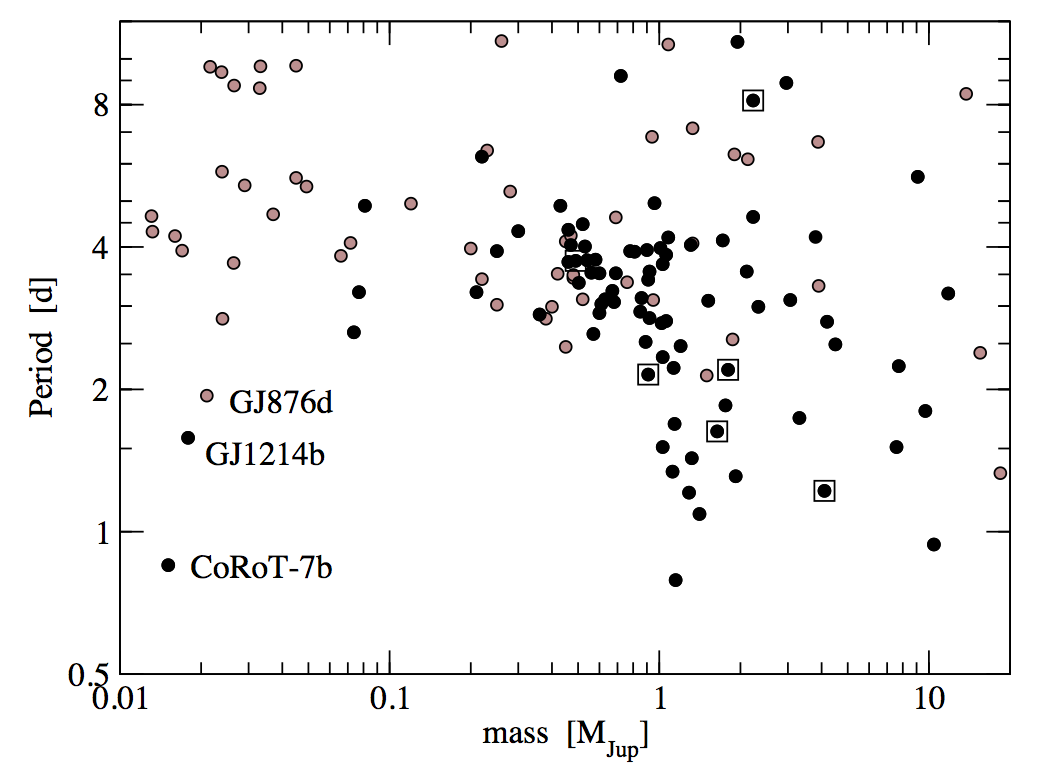
One of the most exciting and fastest growing subfields of astronomy is the detection and study of extrasolar planets. The authors of this paper seek a physical explanation for a noticeable “step” in the mass-period distribution of short-period planets by running several hydrodynamic simulations.
by Nathan Sanders | Jan 14, 2011 | Daily Paper Summaries
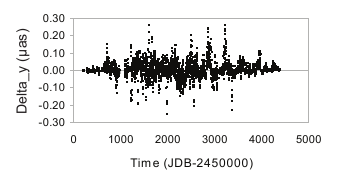
Understanding the uncertainties involved in the techniques used to detect exoplanets is an important aspect of the search for life beyond the Earth. What role could phenomenon like sunspots play in planet detection?
