
Featured Astrobites
Our latest posts
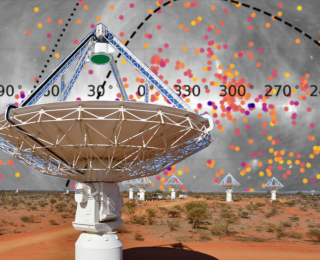
Radio this one in: a catalogue of hundreds of new and known radio stars
Is your favourite star radio bright? Find out today with the most comprehensive collection of radio stars yet: the Sydney Radio Star Catalogue!
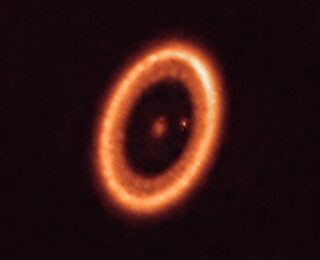
Water, Water, Everywhere – And Not a Drop to Photodissociate!
One step closer to finding the origin of Earth’s water thanks to PDS 70! But does the water come from complex chemistry, or icy pebbles sneaking past a giant planet?

J1010+2358 PISN’t a direct descendant of the first stars
We thought we finally found a direct descendant of the first stars. A follow-up observation showed that it PISN’t.
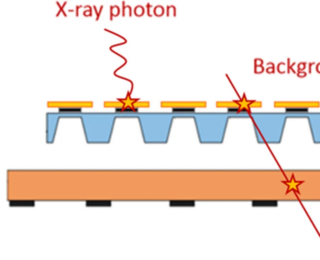
What a coincidence! Separating real X-ray photons from fakers in an X-ray spectrometer
What is an anti-coincidence detector and how does it work? Read about it in today’s bite
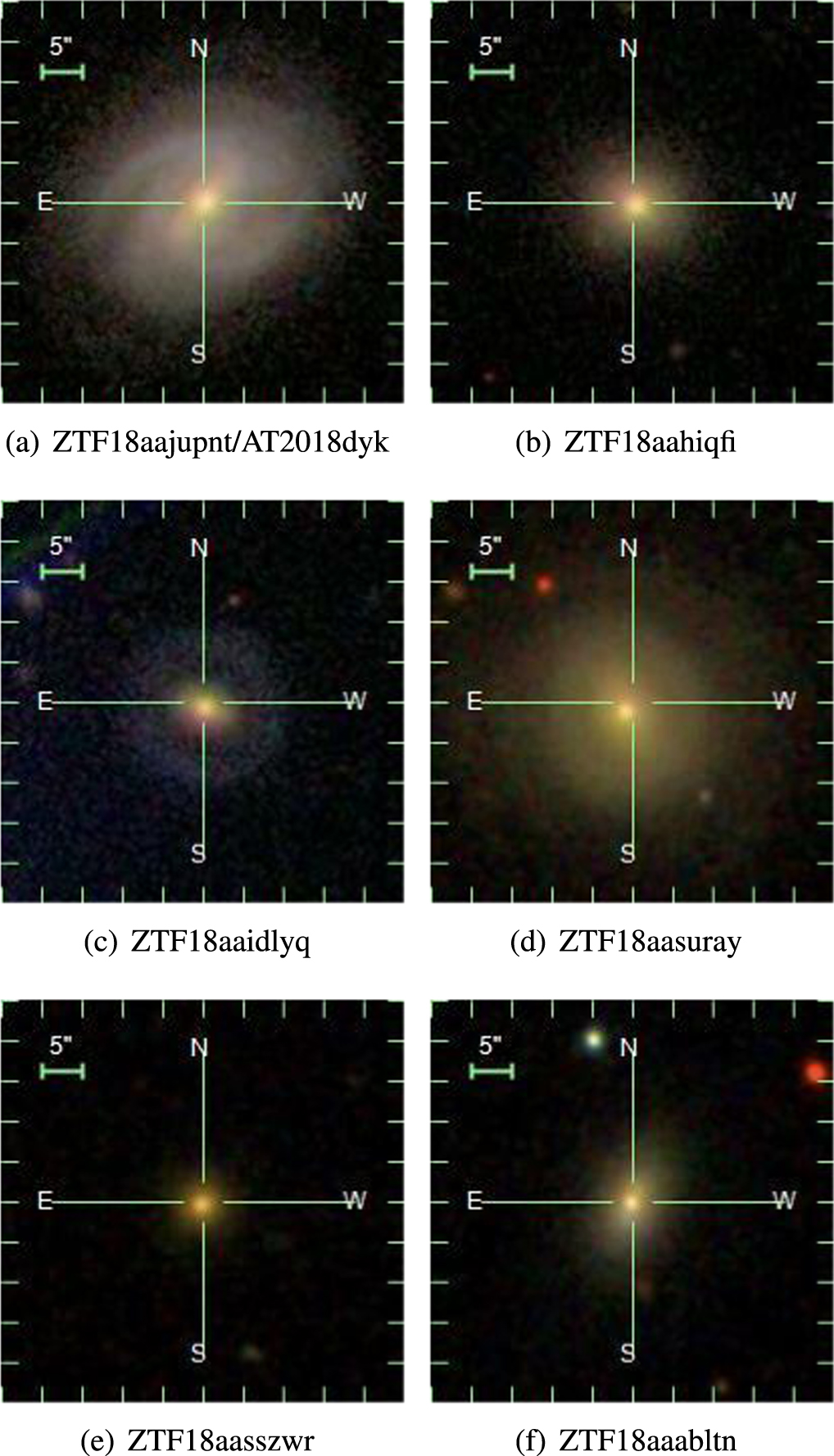
Six Supermassive Black Holes Wake Up from a Long Nap
Six galaxies show signs of a brand new active black hole in today’s bite.
Set Phase Curves to Stun!
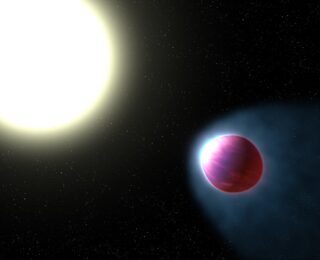
When it rains on WASP-121b, it pours…crystals of rock! Today’s bite explores the JWST phase curve of an extreme exoplanet.
Beyond astro-ph
Astronomy beyond the research
No Results Found
The page you requested could not be found. Try refining your search, or use the navigation above to locate the post.
Navigating careers in astronomy
Career advice
Getting Started in Undergraduate Research
We have talked a number of times on here about NSF Research Experience for Undergraduates (REU) programs. But what if you want to stay at your undergraduate institution for the summer doing research? You know that professors are doing research and working with other students, but how do you get involved? Here are some ideas and thoughts about how to navigate this process. Ready… There are a few things you can do before you even begin talking to professors to prepare yourself: The first step is to learn what kind of research is happening in your department. The departmental website is a great place to figure this out. Most professors will have a description of their research on their website. Read through the descriptions and see what sounds interesting. However, do be warned that sometimes these sites are not kept up to date. Talk to undergraduate students or graduate students to find out about their experiences working with various professors. Learn about different projects your fellow students are working on. This is especially helpful when websites are not kept up to date. Students are sometimes listed on the professor’s website or just ask around. Do what you can to learn about current research. Most of what you will learn in your introductory classes is pretty old stuff. Starting to understand what researchers are doing now will give you a leg up. Hint: Reading Astrobites is perfect for this! Getting paid to do research is always preferable, so it doesn’t hurt to start looking for options before even talking to a professor. Many universities offer summer research funds for students….

Jobs for Astronomers: careers beyond the academic horizon
Our guest Ioanna Arka tells us about a great initiative: the web-based platform www.jobsforastronomers.com, which collects experiences, tips and job posts for “recovering astronomers”.
Apply Now for Communicating Science 2013!
Astrobites and Chembites are organizing a science communication workshop for graduate students to be held in June – you can apply now!
More posts by category