
Featured Astrobites
Our latest posts
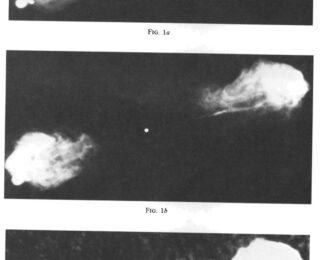
Watch a Supermassive Black Hole Burp in Real Time
First you see me, now you don’t… one unique supermassive black hole just changed its look. Learn how astronomers directly imaged it and found a really messy eater.
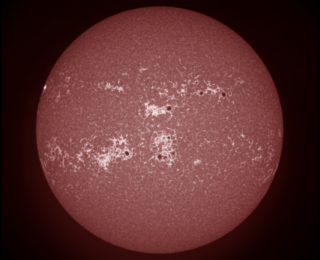
UR: Influence of Magnetic Structure Size on Solar Irradiance Variations
In the latest of our #UndergradResearch series, discover how Aman Priyadarshi Kumar explored the relationship between the size of solar magnetic structures and solar irradiance.
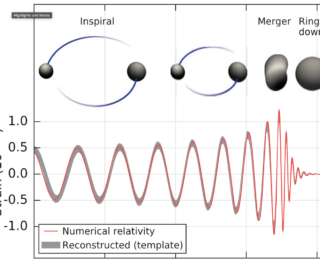
How will the Universe’s cosmic clumps impact future gravitational wave measurements of H0?
Today’s paper explores the impact of clumpy matter on gravitational lensing and measurements of the Hubble Constant.
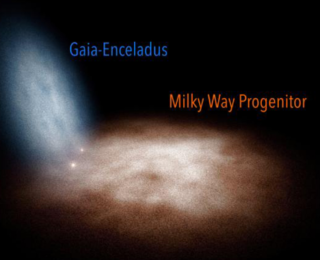
The origin of elements through the r-process: how Gaia-Sausage and Sequoia bring us closer to the answer
Our guest today takes a close look at how we can unveil the building of our Milky Way through chemical signatures from the merger of small systems over time.
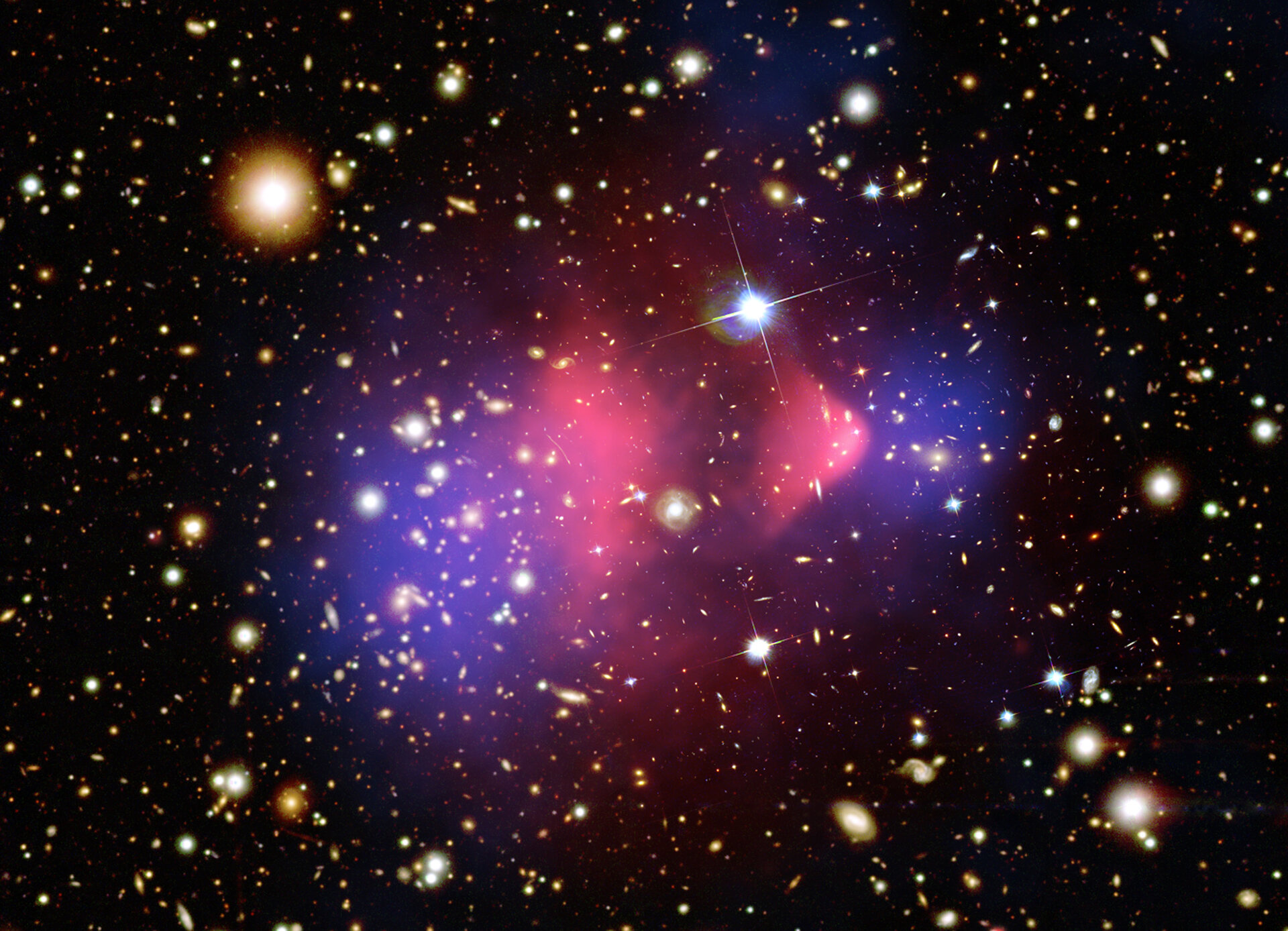
Less than meets the eye: measuring the bias in galaxy cluster observations
Today’s authors come up with a new way to account for foreground and background galaxies in galaxy cluster measurements.
So, you want to be a graduate student activist.
Are you a graduate student interested in making your astronomy department or university a better place to grad school? Today, one of our authors shares his advice about how to make positive change from his experiences this past year as a Graduate Student Council President.
Beyond astro-ph
Astronomy beyond the research
No Results Found
The page you requested could not be found. Try refining your search, or use the navigation above to locate the post.
Navigating careers in astronomy
Career advice
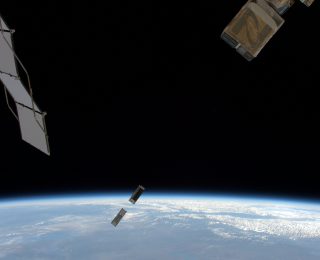
Taking the Leap from Astronomy to Engineering
In this guest post, James Paul Mason tells us about his path from astrophysics to aerospace engineering, and describes how he put a satellite in space as a graduate student.
Recognizing the minds behind scientific software
On a daily basis, astronomers deal with analyzing data. That’s the way we verify our models and increase our comprehension of the universe. In order to do that, we commonly rely on general software such as Astropy. Who’s behind such powerful tool? Is our community giving these people the proper recognition?
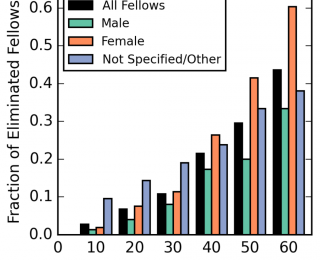
The impact of the Physics GRE in astronomy graduate admissions
It’s that time of the year again: graduate school application season. Today we revisit a 2015 article that shows, once more, that GRE scores requirements on graduate admissions hurt diversity and equity of opportunity in astronomy, and we are overdue on fighting against the inertia.