
Featured Astrobites
Our latest posts
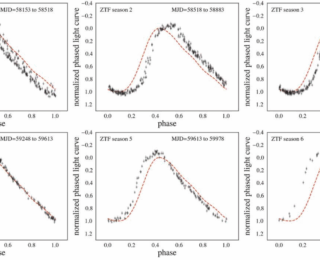
The Times They Are A-Changin’: Searching for Shifts in Variable Star Light Curves
Pulsating variable stars are useful astronomical tools for their consistency. How can astronomers better understand how their changes change over time?
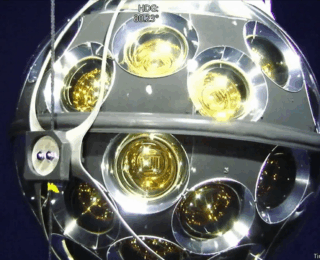
KM3-230213A is looking for its cosmic-ray parent
How do you produce ultra-high-energy neutrinos like KM3-230213A? Guest author Domenik Ehlert explains how cosmic rays may be behind it!
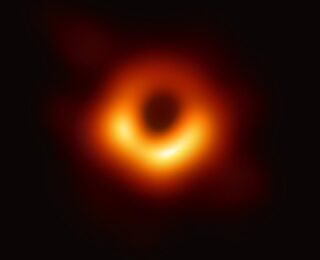
UR: A study of photon spheres around spherically symmetric and non-rotating black holes
Today’s undergraduate research post features the work of Vrunda Macwan on black holes!
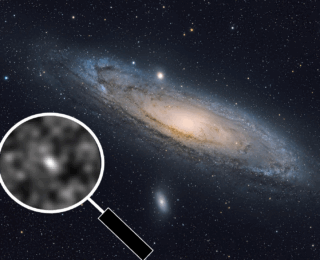
Do You Have This Andromeda Galaxy in Extra-Extra-Extra Small?
It’s an itty bitty teeny weeny ultra faint dwarf galaxy-ni! Today’s bite talks about the discovery of the faintest galaxy in the Andromeda system!
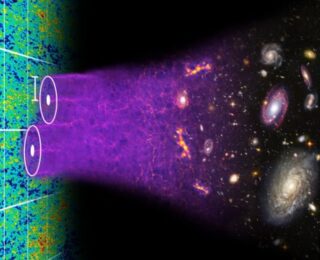
The Continuing Saga of the Not-So-Constant Constant.
The cosmological constant is a constant, right? The word “constant” is right there in the name for goodness sakes. But growing evidence suggests this might not be the case after all. Today’s authors further investigate the DESI analysis pushing our understanding of dark energy.
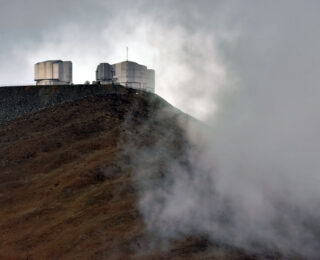
The looming Drama for the Paranal Observatory
One of the very best spots to look at the night sky can be found in Chile; more specifically, in Paranal! The European Southern Observatory (ESO) has built some of the worlds prominent telescopes there. However, the future of this unique night sky might be in trouble..
Beyond astro-ph
Astronomy beyond the research
No Results Found
The page you requested could not be found. Try refining your search, or use the navigation above to locate the post.
Navigating careers in astronomy
Career advice
You should get Twitter…for science!
If you’ve been to a conference, you’ve probably seen a Twitter handle on someone’s poster. Come find out why that is, and learn about other ways we can use Twitter in astro!
Meet the AAS Keynote Speakers: Dr. Daniel Kasen
Neutron star mergers are incredible events! Come hear Professor Daniel Kasen talk all about them on Monday, January 6th at 4:40 PM at #AAS235!
Meet the AAS Keynote Speakers: Dr. Robert Kennicutt
Professor Robert Kennicutt has been at the forefront of research on the star formation rate of galaxies for decade. Come here about his thoughts on the next decade of astronomy research at his talk on Tuesday, January 7th at 3:40 PM at #AAS235!