
Featured Astrobites
Our latest posts
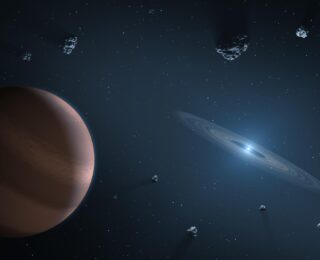
I’ve Got Some Ocean Front Property… around a White Dwarf
Stars like the Sun will eventually become white dwarfs, and some planets might hang on through the process. Today’s paper investigates whether such planets could hold onto their water.
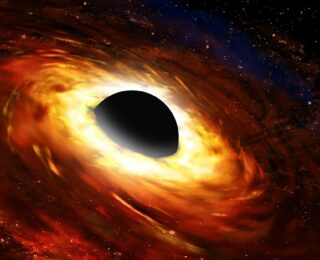
Over the Limit: Accretion and Feedback of Early Black Holes
Merry Christmas! In today’s bite, learn how simulations of black hole accretion and feedback are informing our understanding of the evolution of the earliest black holes.
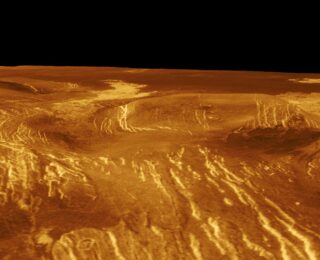
It’s Getting Hot in Here, So Take Off All Your H2O
Was Venus always a formidable hellscape, or did it once have a temperate climate with liquid water on its surface?
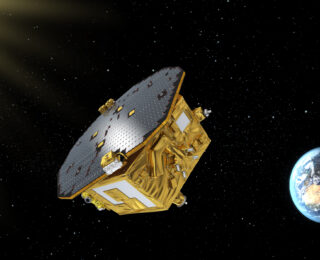
LISA Pathfinder: These magnetic results will attract your attention
This organized magnetic noise is so fresh, so clean.
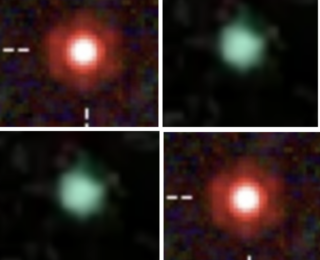
A Little Red Dot by any other name would smell just like a Green Pea!?
Are Green Pea galaxies the local counterparts of the famous Little Red Dots that are found in the early universe? Read ahead to find out!
AGB stars can have a little PIE, as a treat
Proton ingestion events in AGB stars are thought to trigger i-process nucleosynthesis. Today’s authors construct detailed stellar models to investigate this phenomenon!
Beyond astro-ph
Astronomy beyond the research
No Results Found
The page you requested could not be found. Try refining your search, or use the navigation above to locate the post.
Navigating careers in astronomy
Career advice
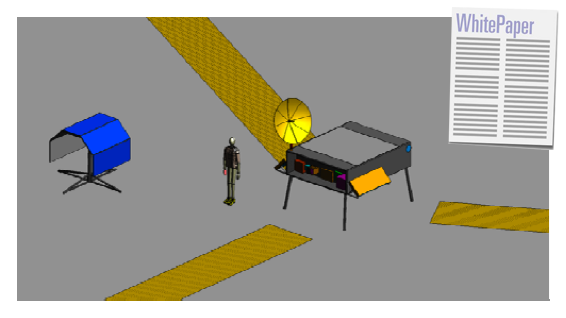
Solar physics from the moon: an example of a white paper
White papers are how scientists share their ideas for projects with the scientific community. This recent example, submitted to the Heliophysics Decadal Survey, proposes building a radio telescope on the Moon.
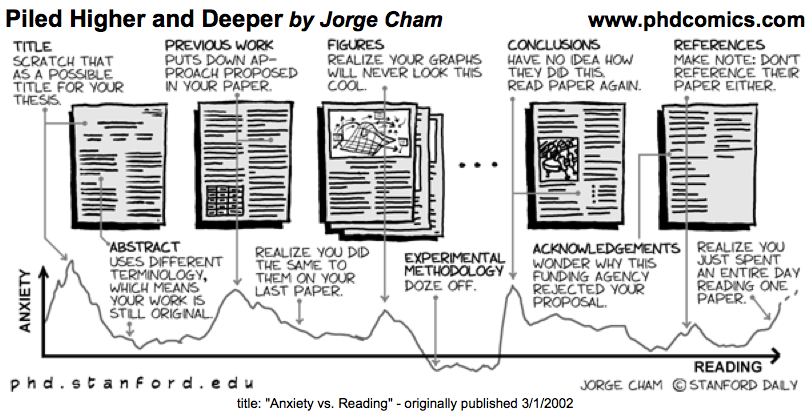
Journal Articles in Astronomy
So, you are ready to go beyond our “bites” and dig into the real articles in all their raw glory. Where to begin?

John Johnson: Zen and the Art of Astronomy Research
John Johnson (Caltech) on how to grow personally, have fun, and keep your sanity while doing research in astronomy.