
Featured Astrobites
Our latest posts
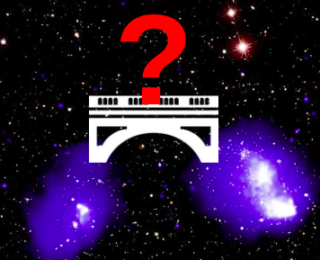
Finding the Missing Bridges Between Galaxy Clusters
In today’s paper, the authors look for the more than 50% of matter in the universe that’s ‘missing’ from our count by searching for bridges between clusters of galaxies.
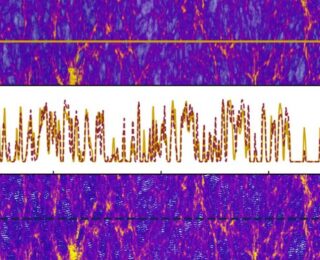
Using Machine Learning to Make A Really Big Detailed Simulation
In today’s astrobite, we examine an application of machine learning in astronomy that may enable new breakthroughs in simulations of large scale structure.
Anything Can be a Dark Matter Detector
It turns out that just about anything can be a dark matter detector! Tiny tunnels in materials could be indicative of primordial black holes (PBHs) whizzing through the universe.
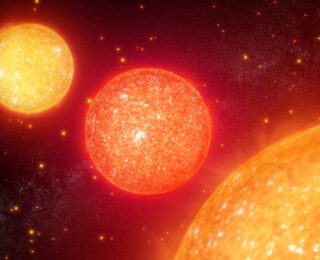
Red Giants Have it All: Dark Matter Constraints from Stellar Evolution
How can astronomers use existing understandings of stellar evolution to better study dark matter?
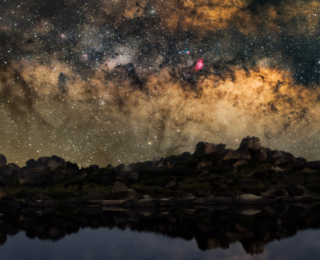
Exploring the Zone of Avoidance: hidden structures
Today’s bite will look at how astronomers have recently made observations to search for large-scale structure hidden by the Milky Way’s Zone of Avoidance.
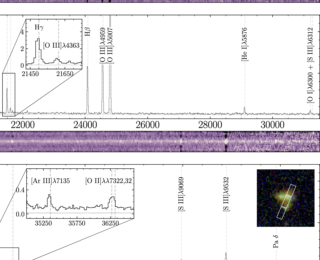
Tracing the chemistry of our galactic ancestors
High-redshift galaxies are the keys to understanding our own galactic history, and today’s authors show us how.
Beyond astro-ph
Astronomy beyond the research
No Results Found
The page you requested could not be found. Try refining your search, or use the navigation above to locate the post.
Navigating careers in astronomy
Career advice
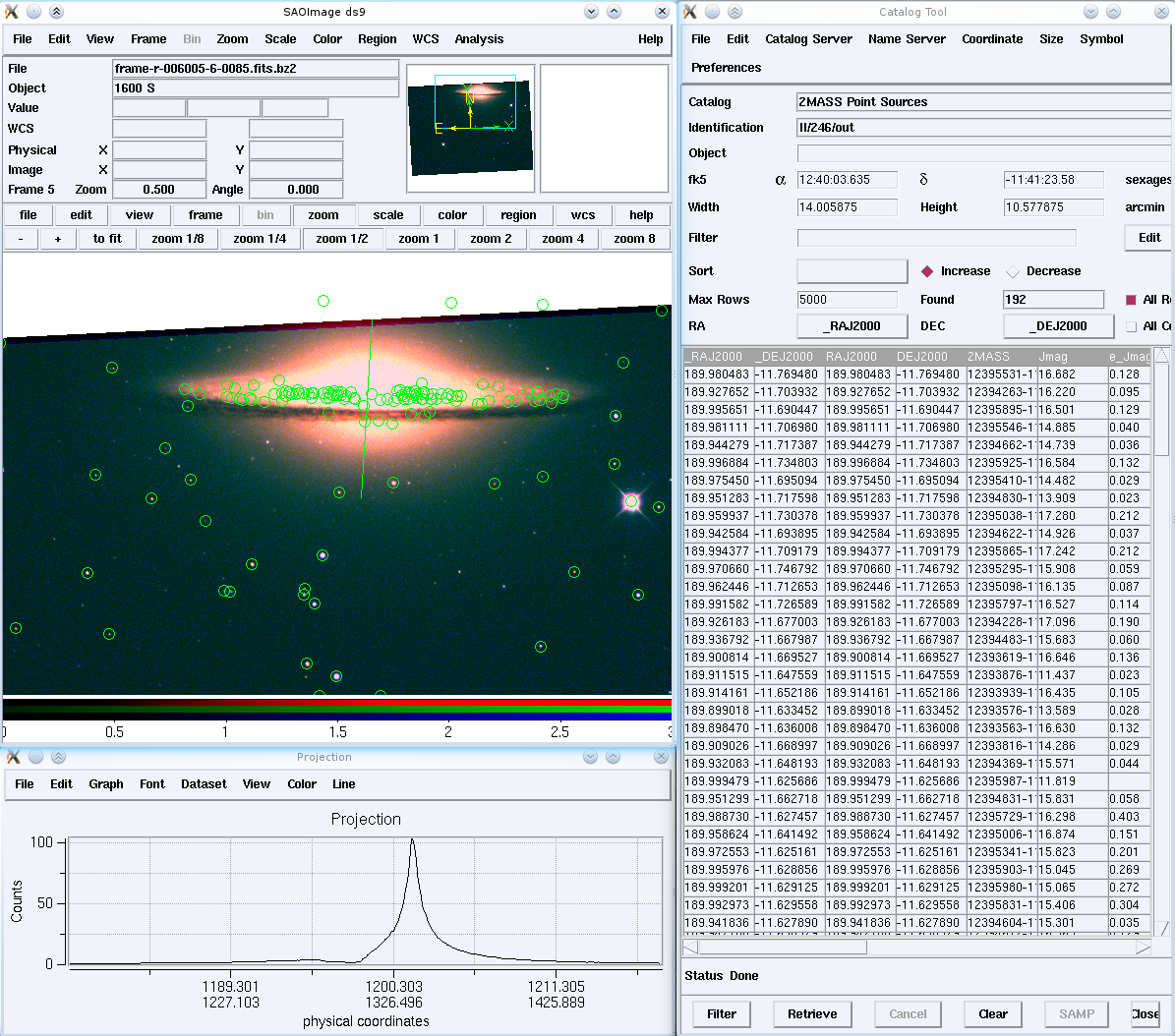
How to use SAO ds9 to examine astronomical images
The SAO ds9 image viewer is one of the most widely used tools in astronomy. Read more to learn the basics of ds9 and check out some of the advanced features.
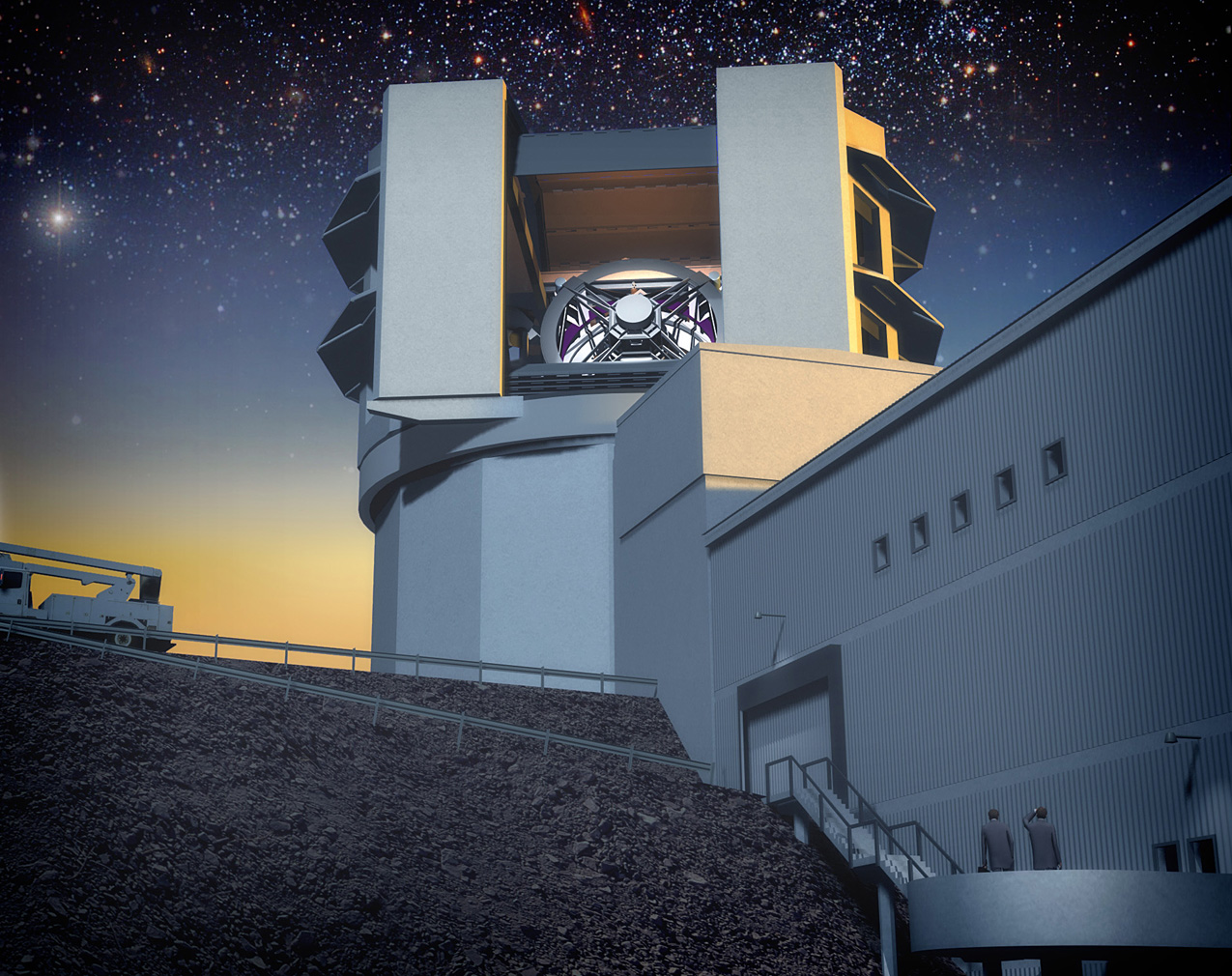
Data Mining: Is More Better?
Large sky surveys like SDSS and 2MASS have become widely successful and have prompted a next generation of dedicated survey telescopes like LSST, the Dark Energy Survey, and Pan-STARRS. These telescopes will unleash a tidal wave of data into astronomers’ open arms (or external hard drives). But how do you catch a tidal wave?
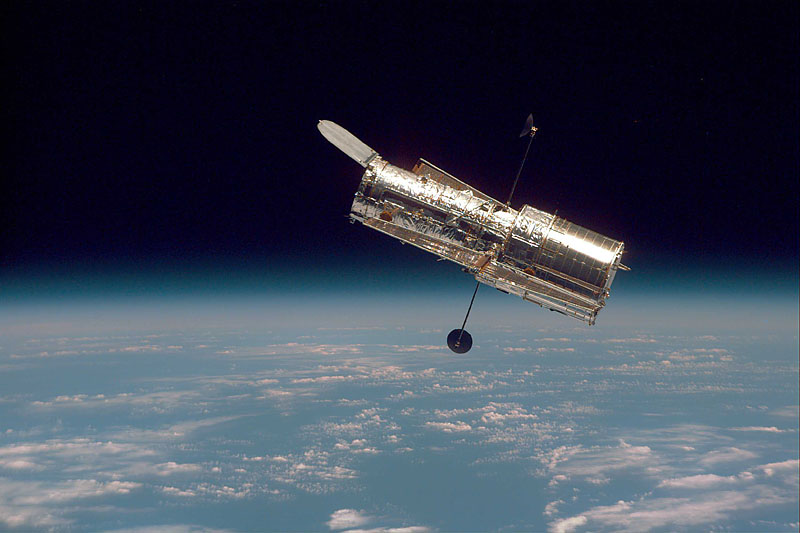
The Hubble Effect: How to Advance Astronomy by Working for Free
People are fascinated by space, and it’s easy to see why. Evidence, see: the space race, black holes, the big bang, dark matter/energy, extrasolar planets, etc. So why should you volunteer your time? Besides, there are lots of people who already do these things, and you need to focus on your career as a professional astronomer. I have several great reasons for you.