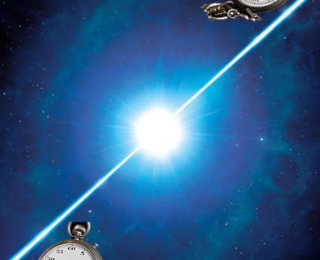
Every Microsecond Counts for this Pulsar!
The optical pulses from a very special pulsar are showing up around 200 microseconds late- today’s authors investigate this very tiny lag to learn why!

The optical pulses from a very special pulsar are showing up around 200 microseconds late- today’s authors investigate this very tiny lag to learn why!
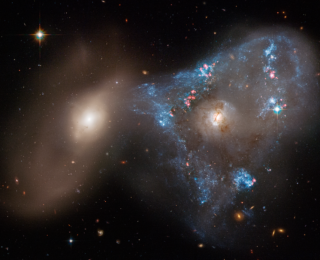
The author’s of today’s paper have gotten a glimpse at the building blocks of a massive galaxy!
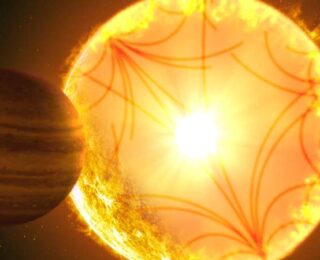
Today’s post describes the discovery of Kepler’s first planet candidate spiraling into its star!
Betelgeuse faded dramatically in 2019 and 2020. Fortunately a team of star doctors…(err, astrophysicists) have diagnosed the problem!

Chemical elements are pretty good history teachers! Today’s paper describes how chemical abundances can tell us about the history of where a planet formed.