by Jaime Green | Mar 26, 2014 | Daily Paper Summaries
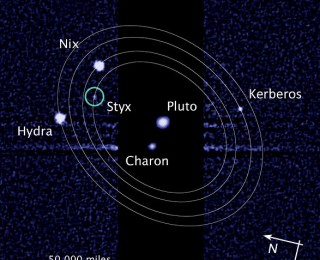
Pluto’s small satellites have very low escape velocities, which means that dust kicked up by impacts has a relatively easy time of escaping rather than settling back down to the little moon’s surface. Today’s paper looks at the fates of that dust.
by Ben Montet | Mar 8, 2013 | Daily Paper Summaries
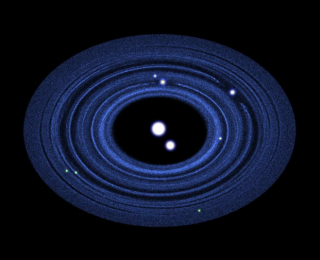
The number of known moons of Pluto has now reached five. What are they like, and how did they get there? Kenyon and Bromley use numerical simulations to answer these questions and determine what else New Horizons may find in 2015.
by Courtney Dressing | Jan 6, 2012 | Daily Paper Summaries
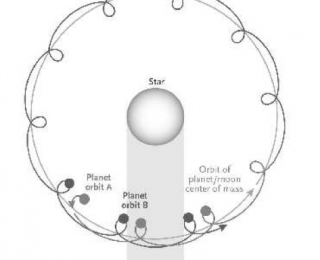
Moons in other solar systems are common in science fiction. Are they common in the universe as well? Kipping et al. are using Kepler data to find out.

by Courtney Dressing | Jun 16, 2011 | Daily Paper Summaries
Habitable exomoons appear all over science fiction, but could they exist in real life? Could we detect them if they did?
by Caroline Morley | Apr 27, 2011 | Daily Paper Summaries
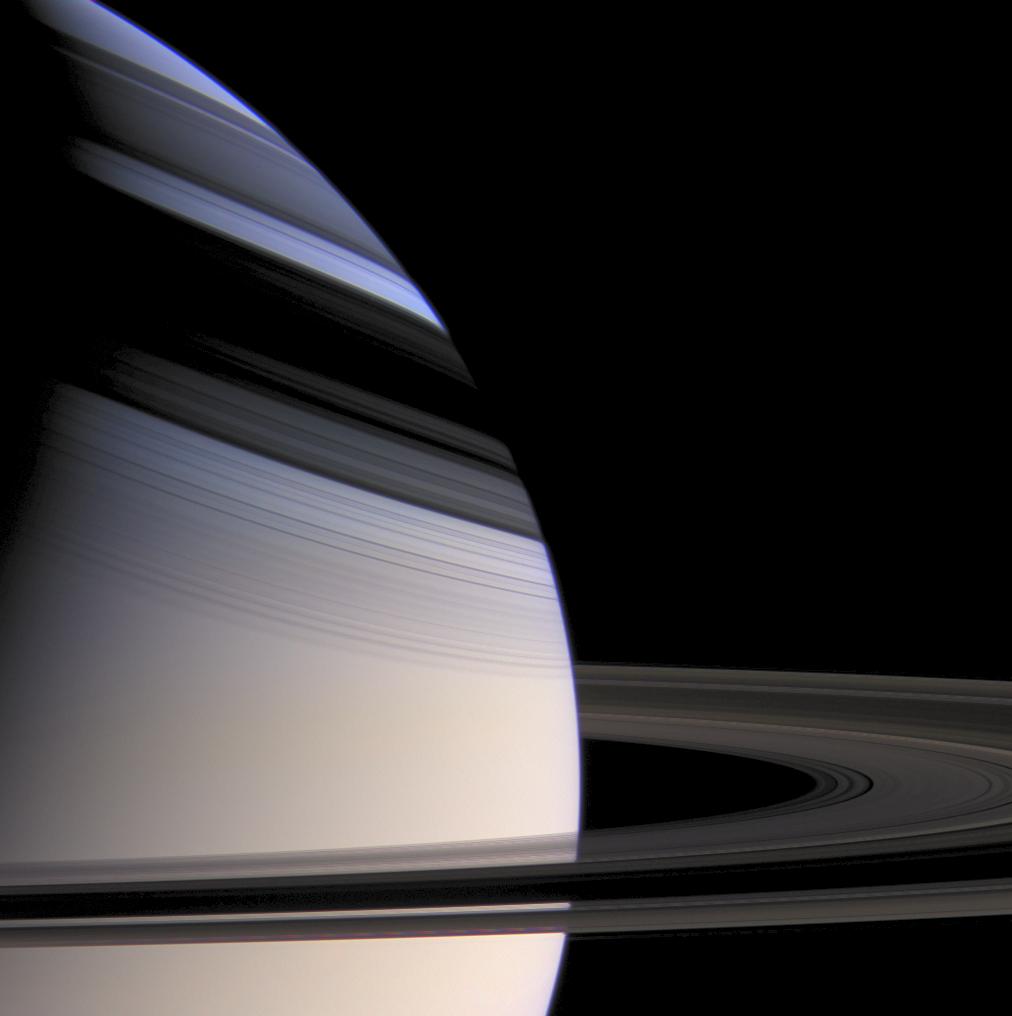
Given the possibility that extrasolar planetary rings could be discovered in the Kepler data, this paper investigates what types of ring systems could physically exist around planets with semi-major axes of 1 AU or less. Could rings exist so close to the host star? How might these ring systems look like ones in our own solar system? How would the rings be different? What could a ring detection tell us about the exoplanet?
by Elisabeth Newton | Mar 16, 2011 | Quick Notes
If anyone has yet to see yesterday’s astronomy picture of the day, it’s stunning. (The video has sound too!)http://apod.nasa.gov/apod/ap110315.htmlI always find beautiful astronomy pictures inspiring, but this video is especially amazing. I have to remind myself it’s not an...
