
Highlighting AAS Chambliss Contestants
The latest science from a few early-career researchers.

The latest science from a few early-career researchers.
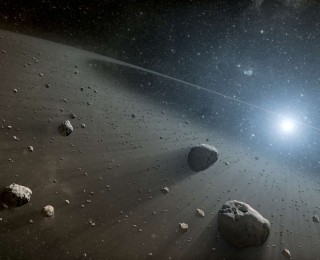
You’ve probably heard of the star in today’s paper. The “WTF star” (WTF stands for “Where’s the flux?” of course) has been in the media since its discovery and two follow-up papers hit astro-ph. Today, a group of astrobiters pool our expertise to bring you a comprehensive look at KIC 8462852 and what new observations may reveal.
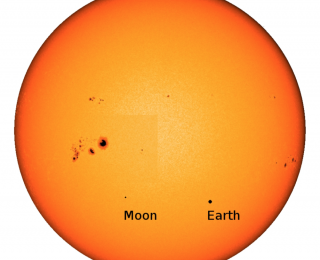
How do you observe an Earth transit, from Earth? You use some of the Solar System’s largest mirrors. The authors did. They found an anomaly.
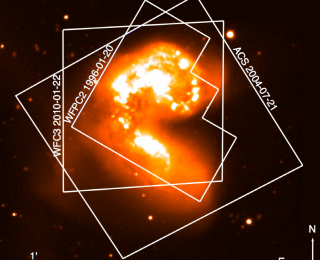
Failed supernovae result in massive stars disappearing into the night sky without a trace. Although many stars may meet this fat, we’re just beginning to look for them!
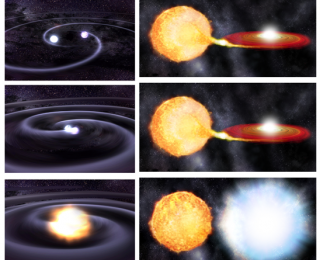
Type Ia supernovae might be arise from single- or double-degenerate progenitor binaries. Today’s papers suggests that single-degenerate progenitors might account for the extremely bright type Ia supernovae.
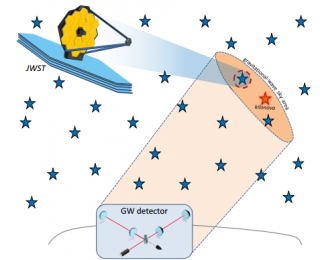
The James Webb Telescope and LIGO may team up to study some of the most energetic events in our universe.