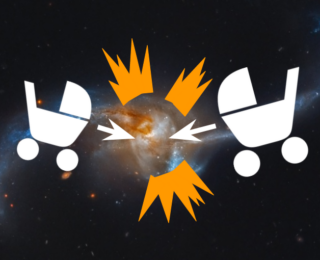
Smashing stellar nurseries together to see if they survive
Galaxy mergers are violent places, which makes simulating their effects on fragile molecular clouds very difficult. The authors of today’s paper manage to do it anyway!

Galaxy mergers are violent places, which makes simulating their effects on fragile molecular clouds very difficult. The authors of today’s paper manage to do it anyway!

One step closer to finding Earth2.0!
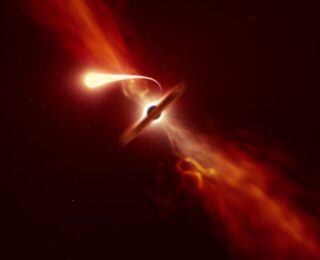
Today’s paper presents a unified model for tidal disruption events, in which a star gets shredded by the tidal forces of a supermassive black hole!
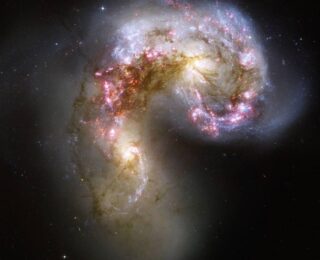
In the latest of our #UndergradResearch series, Nguyen Binh uses cosmological simulations to track the disruption of satellite galaxies! Learn more at their iPoster at AAS241!
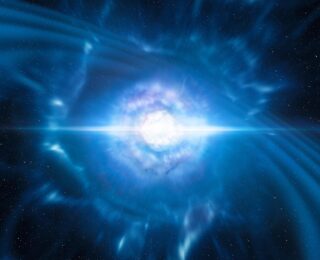
Today’s authors discuss prospects for future gravitational wave and very high energy gamma-ray telescopes to detect very high energy gamma-ray emission from binary neutron star mergers!
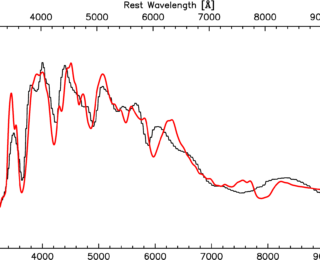
In the latest of our #UndergradResearch series, Mckenzie Ferrari compares real optical supernova spectra to models to identify their progenitors.