
UR: Finding the Chirp
Today’s #UndergradResearch post features Shashwat Singh’s work using deep learning as an asset for gravitational wave astronomy!

Today’s #UndergradResearch post features Shashwat Singh’s work using deep learning as an asset for gravitational wave astronomy!
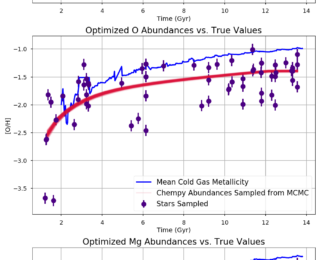
In the latest of our #UndergradResearch series, discover how Alexandra Kwon modeled the evolution of chemical abundance in dwarf galaxies.
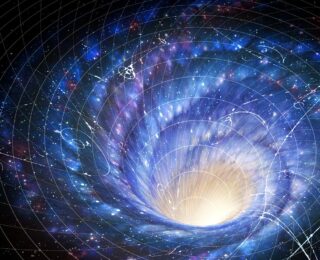
Was Einstein right that experiments behave the same in deep space as in an elevator freely falling on Earth, or does the gravity in the latter case matter? Find out about an observational test in today’s guest post by Indranil Banik.
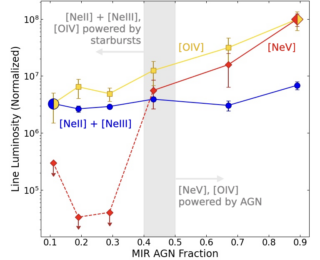
In today’s #UndergradResearch post, Meredith Stone shares how she used Spitzer spectra to learn about the evolution of galaxies through their star formation and AGN activity.
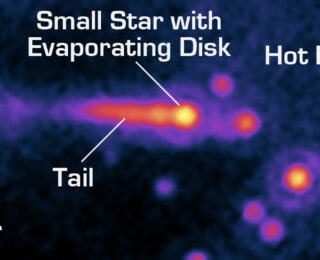
We know that a cluster can be a dangerous place for a young star trying to form some new planets. Radiation and winds from massive stars can evaporate the planetary disc, and the gravitational pull from fly-bys of other stars can disrupt the disc and drag the planet-forming material away.