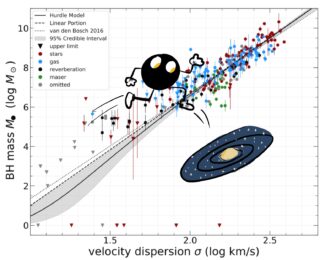
Jumping through hoops: A new way to explore the BH-galaxy connection
The BH-galaxy relations are crucial in our understanding of how they co-evolve. In today’s paper find out a new method to explore this relation.

The BH-galaxy relations are crucial in our understanding of how they co-evolve. In today’s paper find out a new method to explore this relation.

New simulations of Milky Way-like galaxies, named after a Greek goddess.
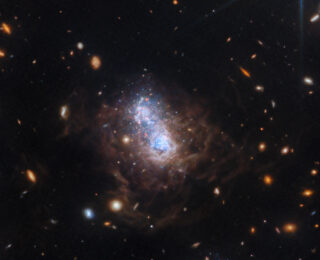
A tiny galaxy, barely metal-enriched, is packed with massive stars. Could it hold clues to the universe’s first stars?

Today’s paper explores the potential connection between two transient astronomical phenomenon: Tidal disruption events and extreme coronal line emitters.
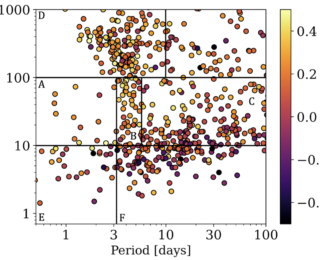
Where do Hot Sub-Neptunes Come From?!

All dark matter, no stars? Is that even possible? That’s just what these authors are trying to determine in today’s article!