Meet the AAS Keynote Speakers: Dr. Kate Follette
Today, we interview Dr. Kate Follette, who is an Associate Professor of Astronomy at Amherst College, about her Plenary Lecture at #AAS245

Today, we interview Dr. Kate Follette, who is an Associate Professor of Astronomy at Amherst College, about her Plenary Lecture at #AAS245
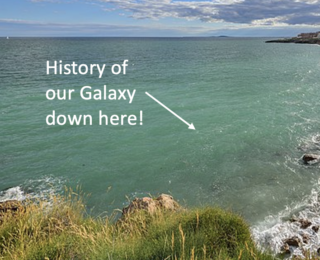
What was happening in our Galaxy millions of years ago? The authors of today’s paper suggest we can find out from minerals under the sea here on Earth.
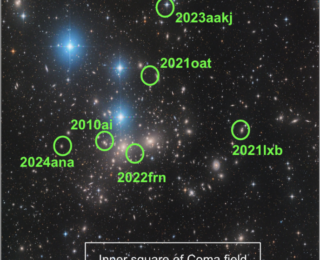
Today’s authors make a high-precision measurement to address a key issue in modern cosmology: the Hubble tension. Read on to see what they found!
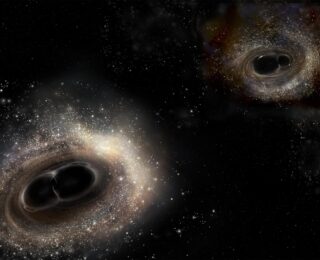
How can we find the gravitational waves that form when an IMBH and SMBH merge? Read ahead to find out how we can prepare to detect these supposedly common mergers using LISA!
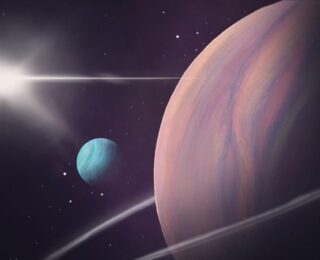
Every exomoon deserves the chance to fly!

In the leadup to AAS 245, we asked the AAS diversity committees what they’ve been up to for the past year!