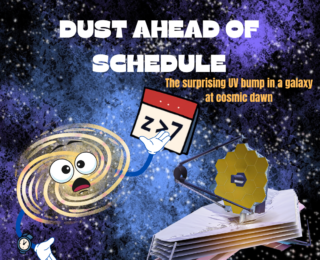
Dust Ahead of Schedule: The Surprising UV Bump in a Galaxy at Cosmic Dawn
What do you get when baby galaxies crash and light up in UV? A surprising early signature of cosmic dust.

What do you get when baby galaxies crash and light up in UV? A surprising early signature of cosmic dust.
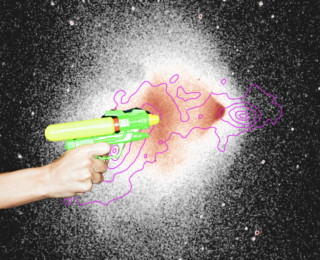
BANG! That’s the sound of a new study of the Bullet Cluster that digs deep into where the system’s dark matter is and what properties it may have.
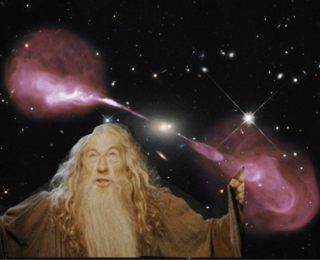
Fly you fools! Towards a better understanding of jet-ISM interactions!
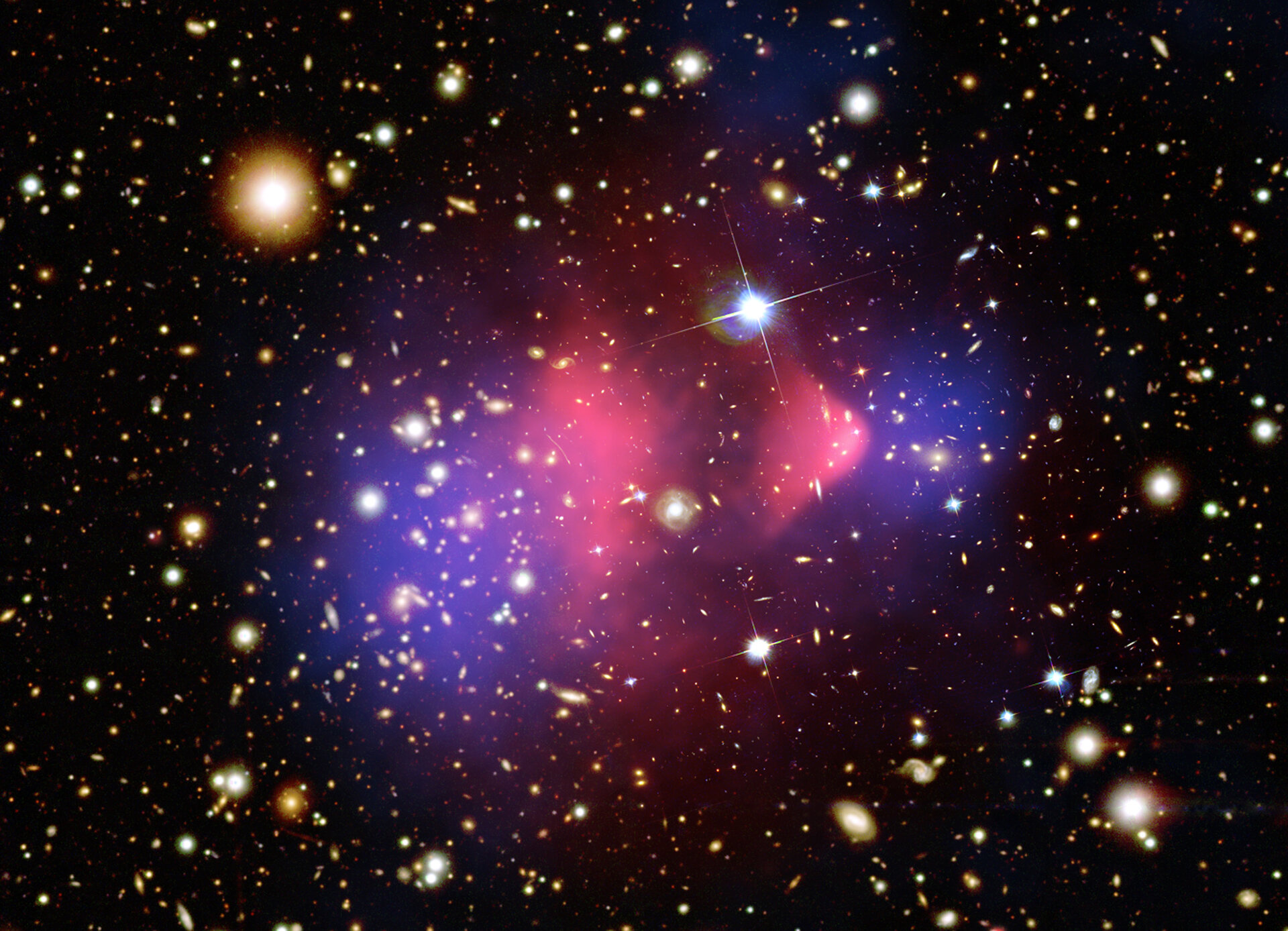
Today’s authors come up with a new way to account for foreground and background galaxies in galaxy cluster measurements.
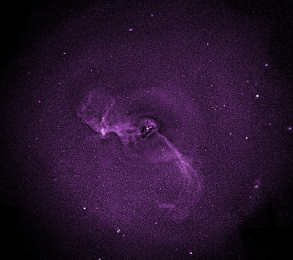
Read on to learn how radio observations are uncovering hidden AGNs and what this means for our understanding of protocluster evolution.
This study by the LHAASO Collaboration presents the first measurement of diffuse gamma-ray emissions in the 1–25 TeV range, revealing excess flux beyond theoretical predictions. The findings suggest hidden gamma-ray sources, such as pulsar wind nebulae or massive star clusters, and indicate spectral variations across the Galactic plane. These results challenge existing cosmic-ray transport models and highlight the need for further observations and refined theoretical frameworks.