by Elisabeth Newton | Nov 9, 2011 | Daily Paper Summaries
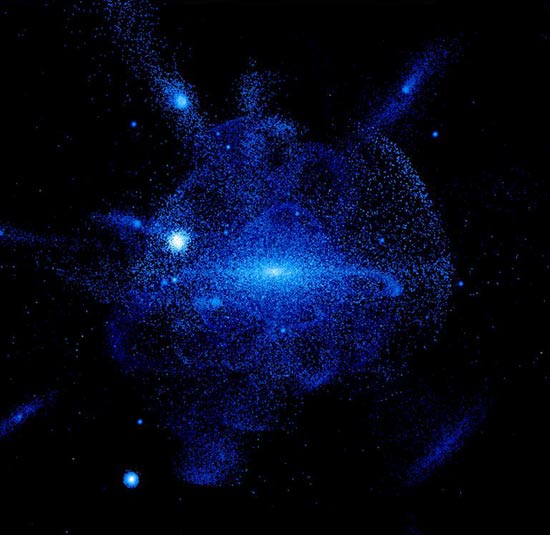
The Milky Way’s stellar halo – a roughly spherical distribution of stars surrounding our spiral galaxy – is a valuable tool for probing the early evolution of our galaxy. The stellar halo contains some of the oldest stars in our galaxy, whose properties reflect that of the environment in which they formed. This paper focuses on using cosmological simulations of galaxy formation to match the observed structure and kinematics (how the stars move) of stars in Milky Way’s halo.
by Ryan Foltz | Nov 1, 2011 | Daily Paper Summaries
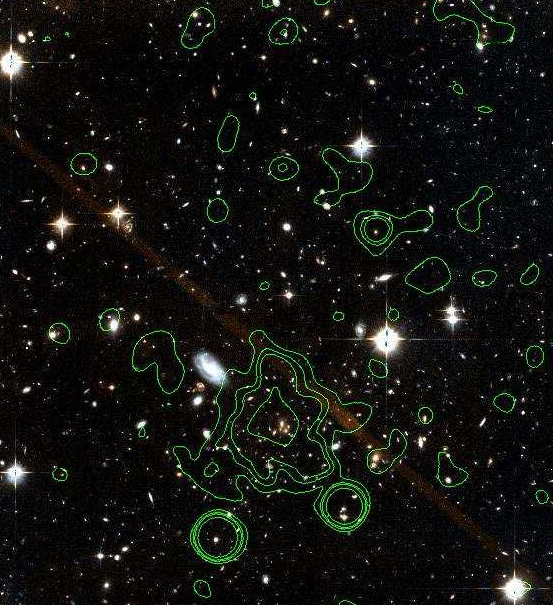
The authors probe the population of early-type galaxies in the furthest galaxy clusters to date.
by Nathan Sanders | Oct 31, 2011 | Daily Paper Summaries
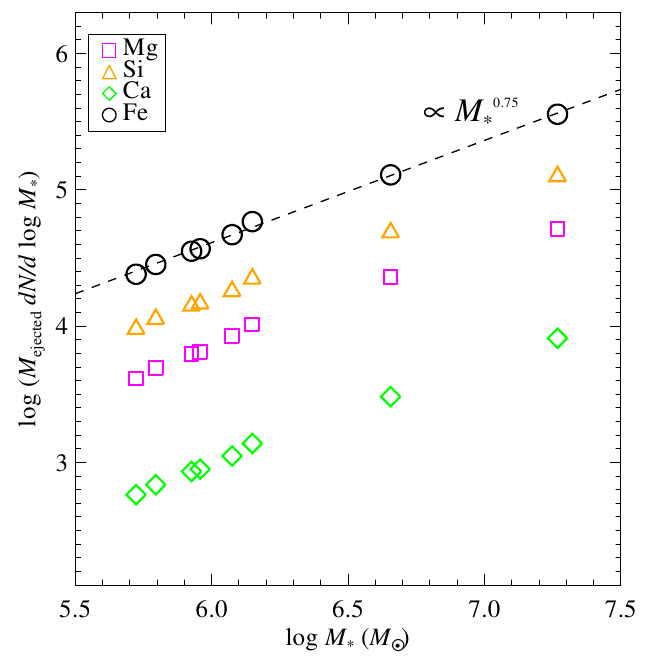
Some galaxies get all the metals, but the dSphs surrounding the Milky Way seem to have lost
by Nathan Goldbaum | Oct 26, 2011 | Daily Paper Summaries
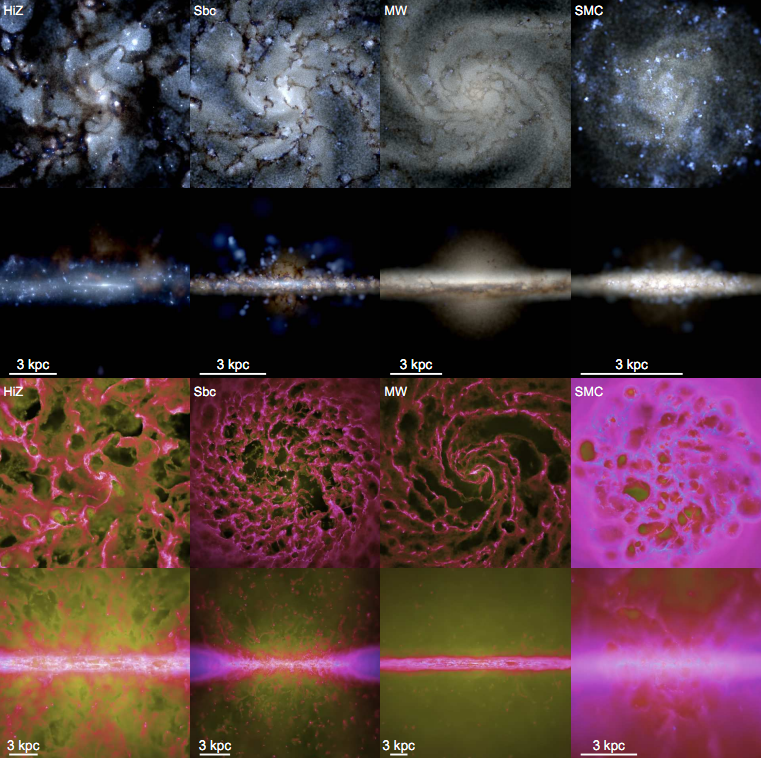
For today’s astrobite, we will be discussing some of the highest-resolution simulations of isolated galaxies performed to date. Not only are these simulations high resolution, but they also include prescriptions to model several physical effects that previous galaxy evolution simulations have mostly ignored.
by Aaron Bray | Aug 6, 2011 | Daily Paper Summaries
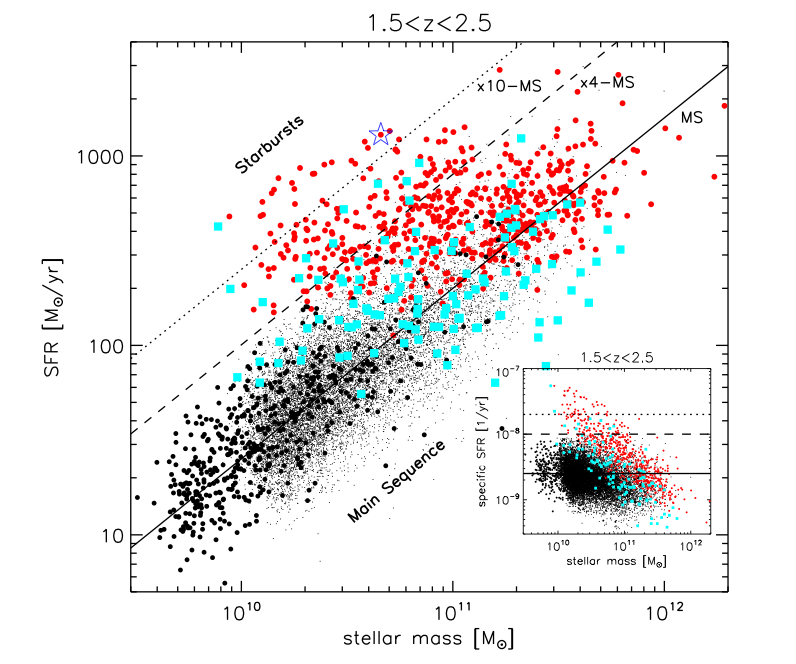
Starbursting galaxies are dramatic, but they may not be as important to the universe’s global star formation history as the more common spirals with their slow but steady stellar output.
by Aaron Bray | Jul 9, 2011 | Daily Paper Summaries
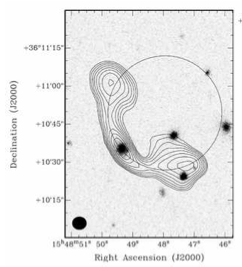
Freeland & Wilcots (2011) present observations of seven “double bent” radio galaxies which they use to measure the density of the intergalactic medium in galaxy groups. They use these observations to draw conclusions about the disruption of dwarf galaxies and the baryon content of these groups.
