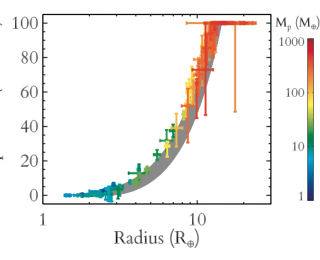
Planet radius as a proxy for composition
Planetary radius is found to depend strongly on planet composition. The observed planet radius distribution can be recast as a composition distribution, with implications for the way planets form.

Planetary radius is found to depend strongly on planet composition. The observed planet radius distribution can be recast as a composition distribution, with implications for the way planets form.
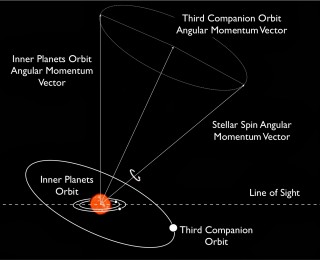
Our Solar System is pretty straightforward. Roughly speaking, all the planets orbit in the same plane, most spin on their axes in the same direction in that plane, and even the Sun rotates in a manner consistent with all this. The small, rocky planets are closer to the Sun, and the big, gaseous planets are farther from the Sun. Simple. Now that we are finding planets orbiting other stars, many are turning out to be multiplanet systems like our own Solar System.
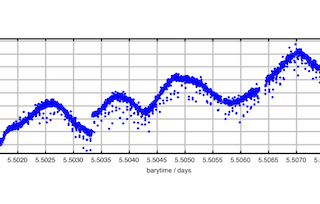
Part two of our recap of the “Modern Statistical and Computational Methods for Analysis of Kepler Data” workshop in North Carolina, featuring both astronomers and statisticians!
A recap of the “Modern Statistical and Computational Methods for Analysis of Kepler Data” workshop in North Carolina, featuring both astronomers and statisticians!
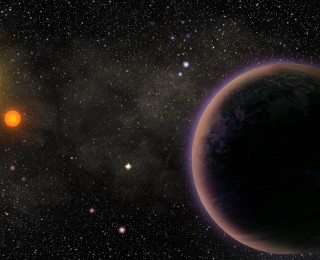
Dust traps may be the key to forming Kepler-16b and other circumbinary planets.
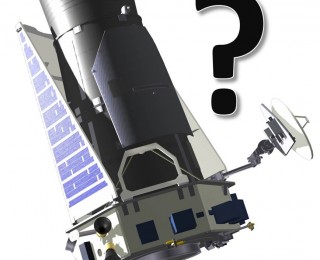
NASA is looking for a new mission for the damaged Kepler space telescope. Here are some ideas.