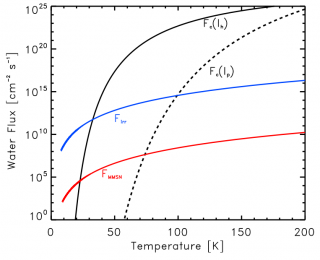
Water ice in the solar nebula
The formation of water ice is an important first step in the formation of our Solar System. We review the process of early water ice formation and the difference between crystalline and amorphous water ice.

The formation of water ice is an important first step in the formation of our Solar System. We review the process of early water ice formation and the difference between crystalline and amorphous water ice.
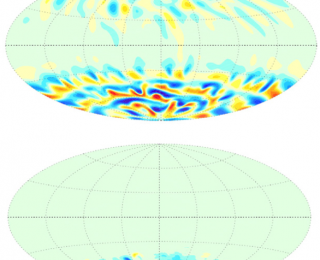
Strongly magnetized rocks on Mars are primarily concentrated in the southern hemisphere. This paper raises a serious objection to the hypothesis that localized dynamo action in the ancient martian core explains this puzzling observation.
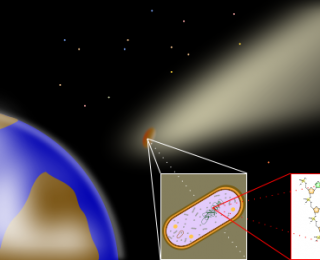
Can life spread from Earth to the moons of Jupiter and Saturn on rock ejected from meteoroid collisions? The authors of this paper start on answering this question by asking if ejected material from Earth can even reach the gas giants’ moons. The answer is yes, so it’s possible that microbial Earthlings have already traveled a lot farther than human ones.
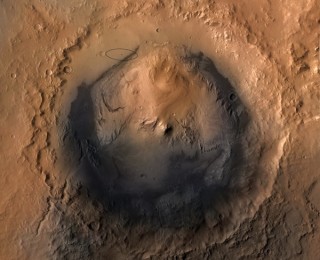
The Mars rover Curiosity found significant traces of water in the martian soil. This indicates the soil contains water, about 2% by weight.
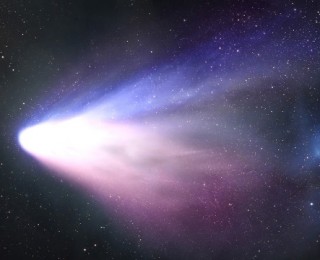
This paper describes the measurement of the deuterium-to-hydrogen (D/H) ratio in a Jupiter-family comet, 45P. This ratio is related to the formation history of the comet and helps inform our understanding of the formation of our solar system.

Highlights from the International Astronomical Union Symposium on “Exploring the Formation and Evolution of Planetary Systems”.