by Dan Gifford | Mar 17, 2011 | Quick Notes
It is a unique feeling to take a step back and imagine what our ancestors must have thought when staring into the heavens as we do today. Please have a look at this article written by Duane Hamacher who has studied the indigenous people of central Australia and their beliefs on the cosmos.
by Dan Gifford | Mar 8, 2011 | Daily Paper Summaries
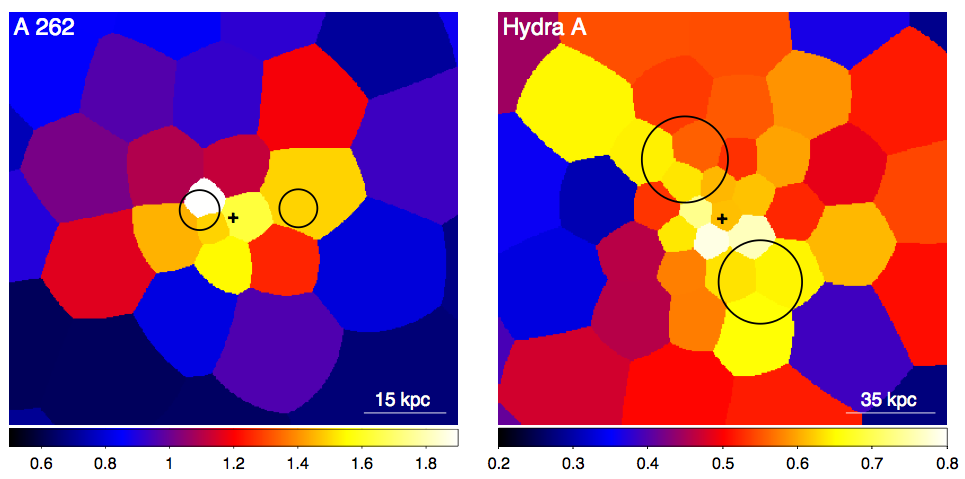
How do you enrich the ICM at great distances from the BCG? With an AGN!

by Dan Gifford | Feb 25, 2011 | Career Navigation
Large sky surveys like SDSS and 2MASS have become widely successful and have prompted a next generation of dedicated survey telescopes like LSST, the Dark Energy Survey, and Pan-STARRS. These telescopes will unleash a tidal wave of data into astronomers’ open arms (or external hard drives). But how do you catch a tidal wave?
by Dan Gifford | Feb 18, 2011 | Daily Paper Summaries
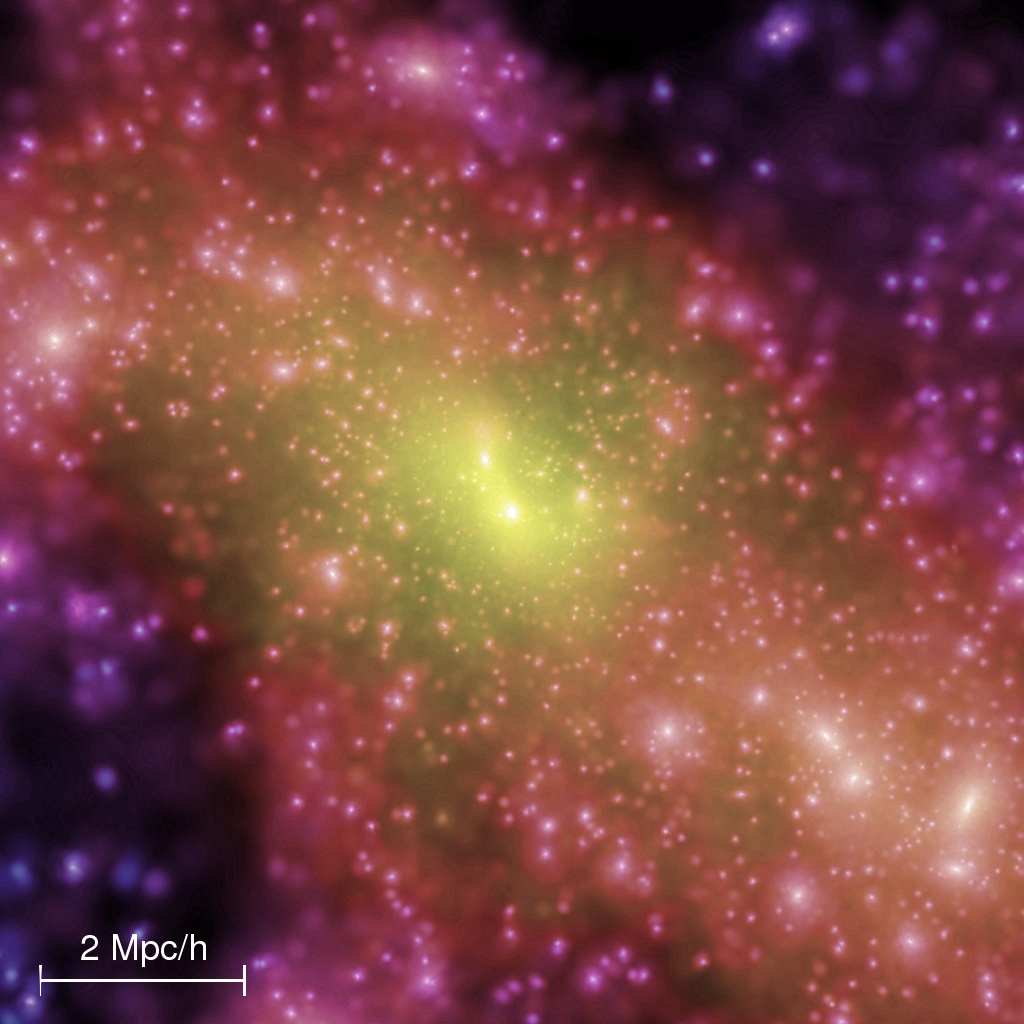
Many simulations of our universe result in a similar discrepancy with current observations. The simulations predict an abundance of subhalos around galaxies the size of our Milky Way which are an order of magnitude higher than observations suggest. This paper tackles the issue of detecting these presumably faint subhalos by analyzing the effects they might have on streams from globular clusters and other satellite galaxies we know to exist.
by Dan Gifford | Feb 9, 2011 | Daily Paper Summaries
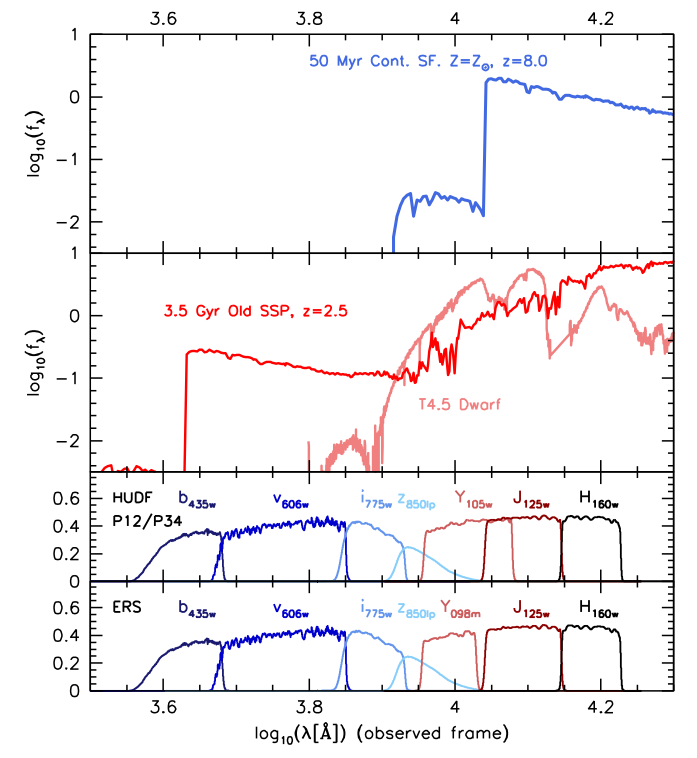
Neutral hydrogen is very effective at absorbing radiation with wavelengths shorter than 91.2nm. This has become known as the Lyman limit. In this study, the authors use the Lyman-break technique to search for galaxies with z ~ 8 – 9. They use the latest Hubble WFC3 near-infrared data to look for large (Y-J) colors or, “Y-drops”, in a larger field than previous studies due to the camera’s larger field and better infrared sensitivity.
