• RSS
  • Submit a Guest Post
  • Undergraduates: Submit your Research!
  • Suggest a Paper Topic!
astrobites
  • About
    • About Astrobites
    • Meet the Authors
    • Statement of Inclusivity
    • Copyright & Permissions
  • Latest Research
    • Daily Paper Summaries
    • Classics
    • Undergrad Research
    • Physical Review Coverage
  • Beyond astro-ph
    • Beyond astro-ph Library
    • Interviews
    • Career Navigation
    • Personal Experiences
    • Current Events
    • Teaching with Astrobites
  • Guides
    • EM Spectrum
    • Galaxies & AGNs
    • Spectroscopy and Spectral Lines
    • Adaptive Optics
    • Gravitational Waves
    • Transient Astronomy
    • Astrophysical Software
    • Graduate School
    • Writing a personal statement for grad apps
    • First Observing Run
    • …More Guides!
Select Page
Live near Boston?  Don’t miss the Cambridge Science Festival!

Live near Boston? Don’t miss the Cambridge Science Festival!

by Nathan Sanders | Apr 30, 2011 | Quick Notes

The Festival is more than a full week of activities to bring science to the general public, being held throughout the city of Cambridge. We’ll be there – will you?

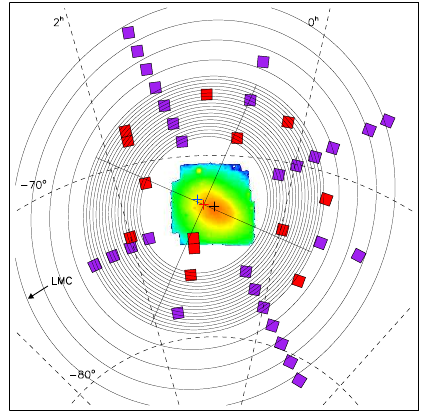
What lives far outside the Small Magellanic Cloud?

What lives far outside the Small Magellanic Cloud?

by Nathan Sanders | Apr 18, 2011 | Daily Paper Summaries

The SMC is one of the best studied galaxies in the sky, but there is still plenty to learn from the stars far from its center.
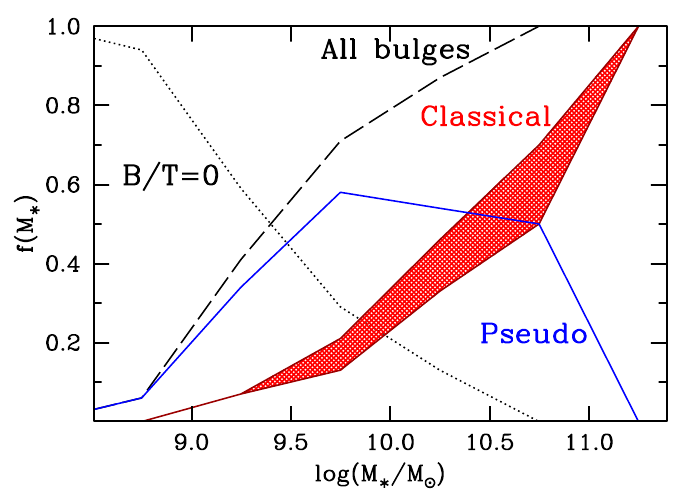
All about bulges (and consequences for galaxy evolution)

All about bulges (and consequences for galaxy evolution)

by Nathan Sanders | Apr 4, 2011 | Daily Paper Summaries

Bulges are a familar feature of spiral galaxies, but bulges seem to come in many shapes and sizes. Studying bulges can provide clues for the role of galaxy mergers in the history of the universe.
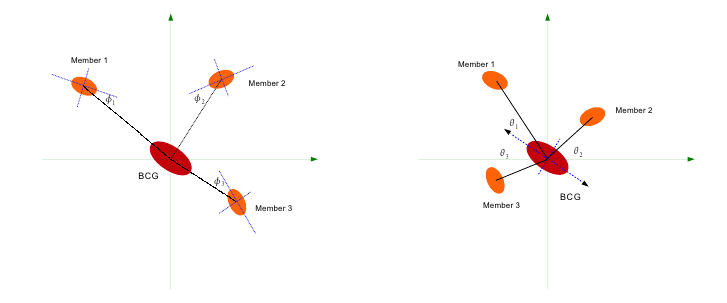
Do galaxies line up?

Do galaxies line up?

by Nathan Sanders | Mar 21, 2011 | Daily Paper Summaries

If you see a bunch of galaxies together in a cluster, are their orientations and orbits random or do they align?
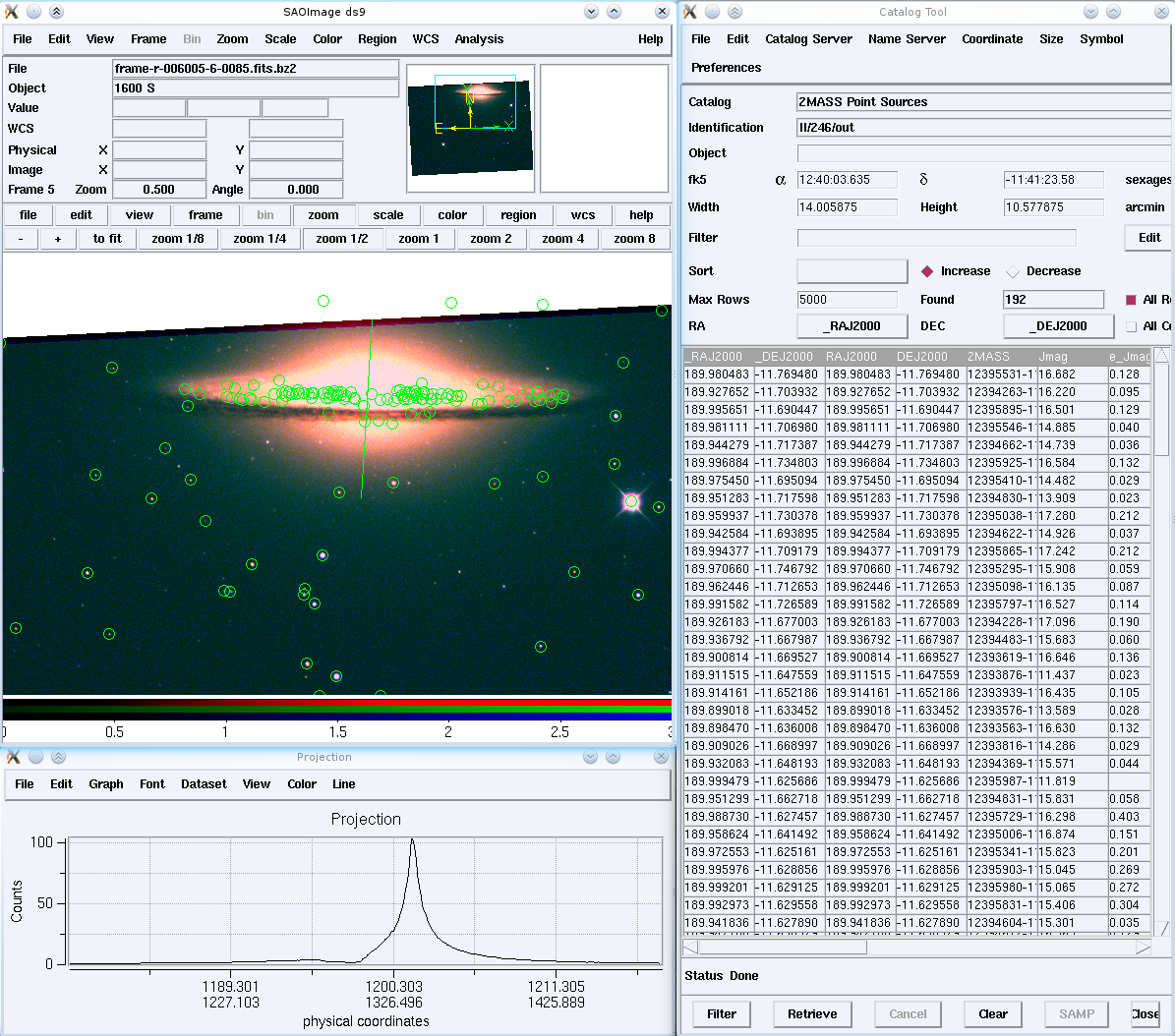
How to use SAO ds9 to examine astronomical images

How to use SAO ds9 to examine astronomical images

by Nathan Sanders | Mar 9, 2011 | Career Navigation

The SAO ds9 image viewer is one of the most widely used tools in astronomy. Read more to learn the basics of ds9 and check out some of the advanced features.

« Older Entries
Next Entries »

Loading

Follow our socials

  • Bluesky
  • Facebook
  • Instagram
  • RSS Feed

More Posts About

AAS AGN astronomy astrophysics binary stars black holes cosmology dark matter dwarf galaxies exoplanets galaxies galaxy evolution gravitational waves habitability JWST Kepler Milky Way observations planetary science planet formation protoplanetary disks radio astronomy simulations solar system spectroscopy star formation stars stellar evolution supernovae theory

Posts by Category

  • Accessibility
  • Applications
  • Beyond
  • Book Reviews
  • Career Navigation
  • Classics
  • Climate Change
  • Course Assignments
  • Crossposts
  • Current Events
  • Daily Paper Summaries
  • Game Reviews
  • Guides
  • Historical Astronomy
  • Instrumentation
  • Interviews
  • Outreach
  • Personal Experiences
  • PRJ
  • Quick Notes
  • Satellites
  • Teaching
  • Undergraduate Research

More Astronomy

  • AAS
  • AAS Nova
  • astro-ph
  • AstroBetter
  • APOD

Read Astrobites in Other Languages

  • Astrobitos (Spanish)
  • Astropontos (Portuguese)
  • staryab (Farsi)

Listen to Astrobites

  • astro[sound]bites

Discover More Incredible Science

  • ScienceBites Network
  • RSS

© 2026 Astrobites | All Rights Reserved | Supported by AAS | Designed by Elegant Themes | Powered by WordPress