by Tanmoy Laskar | May 8, 2011 | Quick Notes
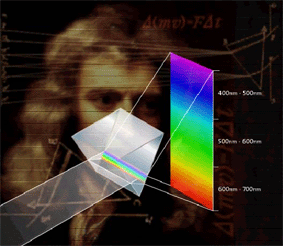
Astronomers seldom touch, smell, hear, or taste astronomical sources – their primary sensory input is light. Read about how astronomers use the electromagnetic spectrum to unravel the mysteries of the Universe!

by Dan Gifford | May 3, 2011 | Quick Notes
In astronomy everyone shares the same laboratory, the sky. Astronomers with Ph.Ds use giant telescopes to look at the same sky you can walk outside and look up to. Many amateur astronomers have taken advantage of just that….

by Nathan Sanders | Apr 30, 2011 | Quick Notes
The Festival is more than a full week of activities to bring science to the general public, being held throughout the city of Cambridge. We’ll be there – will you?
by Courtney Dressing | Apr 27, 2011 | Quick Notes
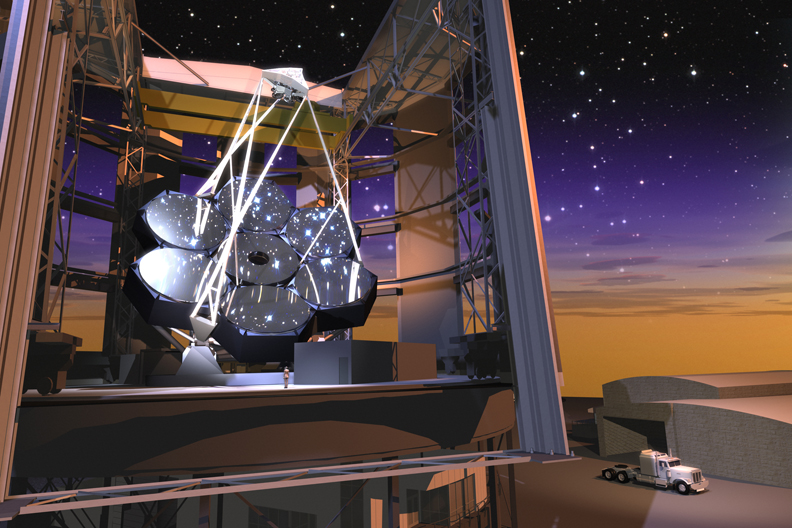
Check out our newest glossary describing the ground-based and space-based observatories used by astronomers.
by Ian Czekala | Apr 22, 2011 | Quick Notes
Despite being observational and theoretical scientists (in training), astrophysicists spend a great deal of time at their computers (and not just checking the arXiv or their email)! This glossary will serve as a nexus for many of the astronomical software programs that an astrophysicist might encounter in his or her daily work. Feel free to peruse the websites of programs and programming languages such as IRAF, CASA, SExtractor, Python and more!
by Ian Czekala | Apr 7, 2011 | Quick Notes
We’ve just added a new glossary on Spectroscopy and Spectral Lines. This page, a continual work in progress, will give an overview of how spectroscopy works and what spectral lines are frequently observed by astronomers.
