by Elisabeth Newton | Sep 28, 2011 | Daily Paper Summaries
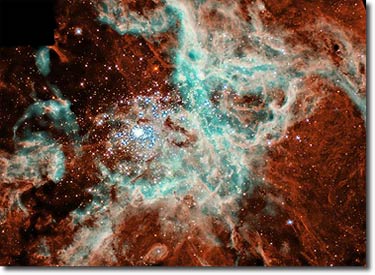
Stars form in environments that are characterized by vastly different densities, pressures and metal content. Yet the sizes of the stars formed don’t vary substantially (as measured by the median mass). Why don’t the properties of the clouds out of which stars fragment have a stronger influence on the result? Why is there a characteristic stellar mass? Why is this mass scale similar to that for nuclear burning (the process that fuels stars)?
(photo: NASA via LANL, https://www.llnl.gov/news/newsreleases/2005/NR-05-11-10.html)
by Elizabeth Lovegrove | Sep 25, 2011 | Guides, Personal Experiences
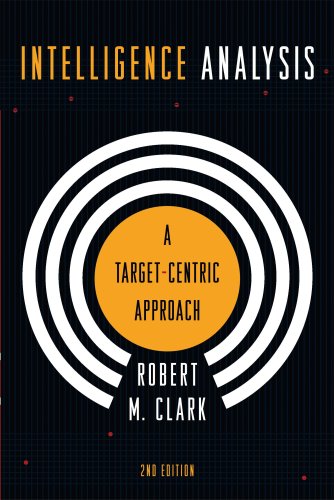
Astronomy has a kindred cousin, a cool one who wears his sunglasses at night: intelligence analysis. I don’t just mean reconnaissance satellites, either; the process of astronomy, that of observing and drawing conclusions, is possibly the most similar of all the sciences to the process of intelligence gathering. Both fields deal with low signal-to-noise regimes that are based primarily on observation rather than experimentation. Both fields must continually account for errors and biases that could easily lead to false or falsely credited conclusions. And thus it behooves us as astronomers to learn from our cousins on the other side of the fence, who may not have been in the business quite as long or have quite as much ground to cover, but who certainly have a lot more pressure to produce results. That’s why today I’m going to be talking about Robert M. Clark’s key textbook Intelligence Analysis: A Target-Centric Approach, and what lessons it holds for you as a professional scientist.
by Elisabeth Newton | Aug 18, 2011 | Personal Experiences
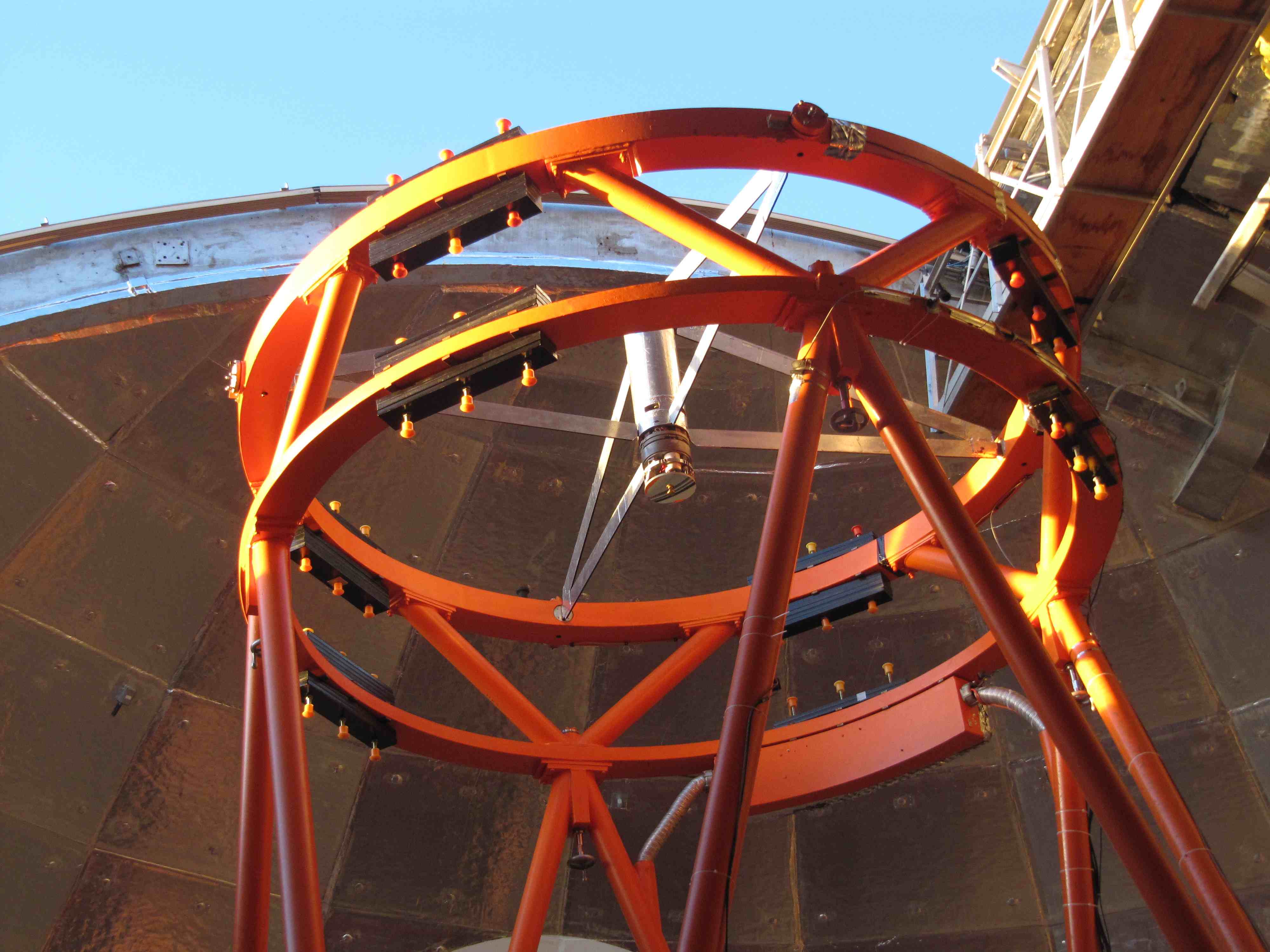
Dawn is beautiful and clear in Cambridge, Mass and I’m sitting in my office starting at the night sky, hoping the clouds will clear. I’m finishing up my last night of remote observing on the Infrared Telescope Facility (IRTF), which lives atop Mauna Kea in Hawaii.
by Guest | Aug 15, 2011 | Career Navigation
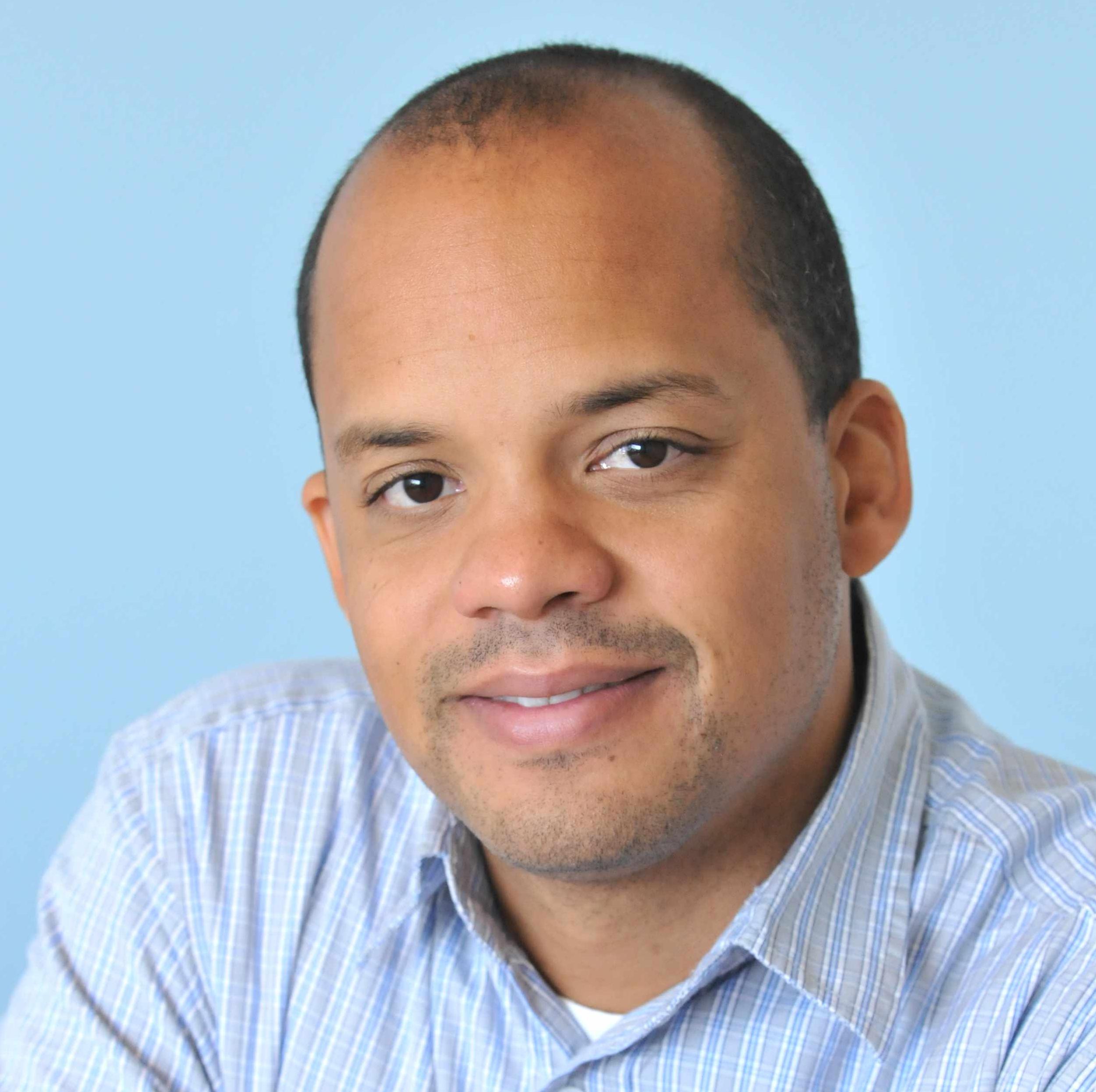
We again have the pleasure of having John Johnson write today on astrobites. We were curious to get his opinion on several topics; in this first post, he’ll answer our questions about life in graduate school. We asked what he wished he’d known going into graduate school, how he balanced work and life, and what he did in grad school that he thinks were beneficial later on.
by Nathan Sanders | Jul 11, 2011 | Personal Experiences
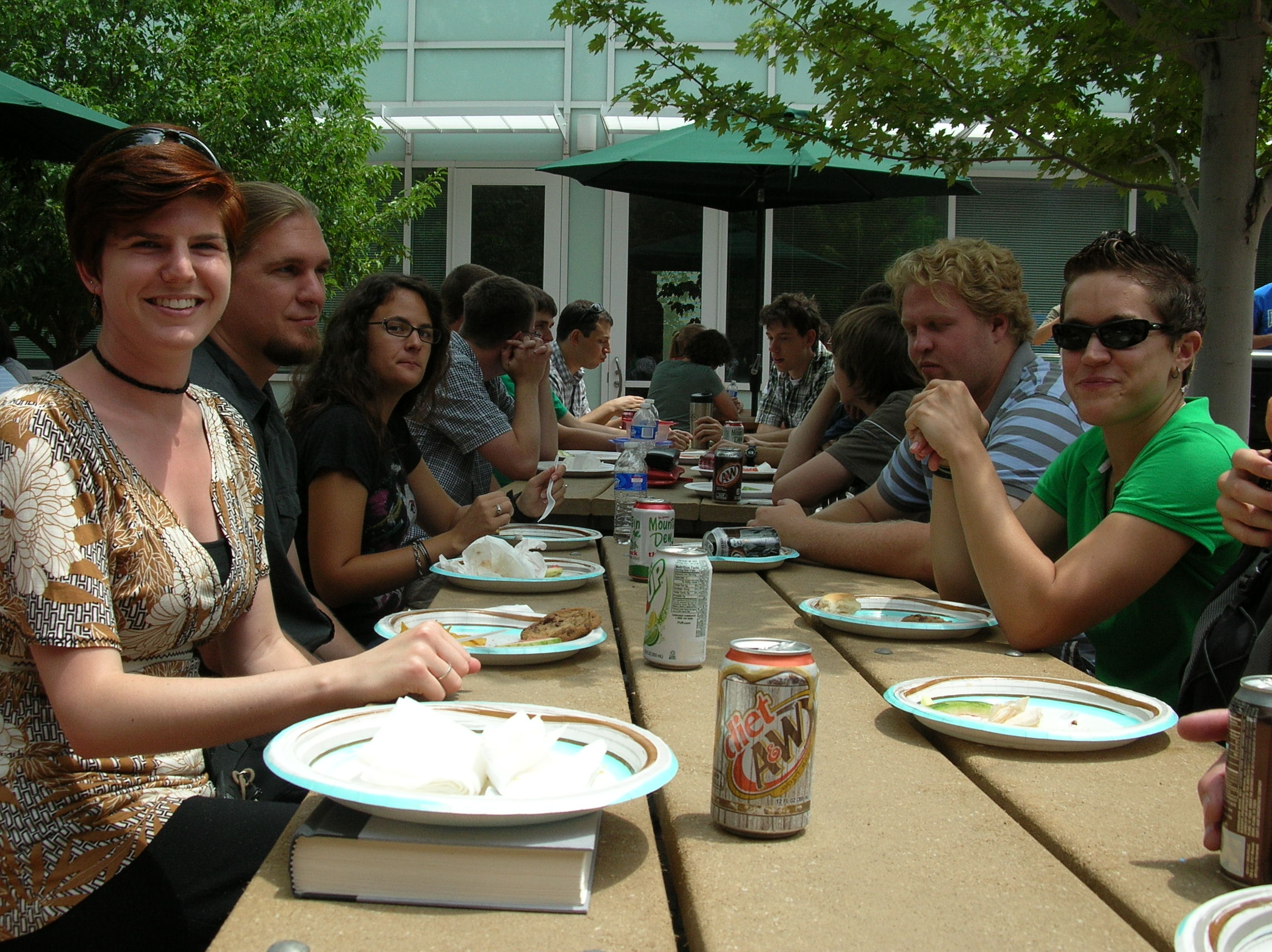
What do grad students do all day? Read on for more than a dozen personal reports from the field.
