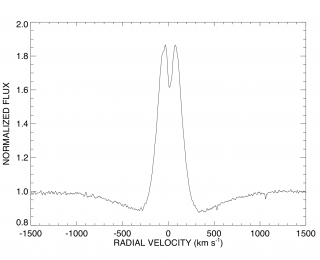
A Binary Companion to a Be Star
A star that spins fast enough to throw off its atmosphere, and a hint at how it got that way.

A star that spins fast enough to throw off its atmosphere, and a hint at how it got that way.
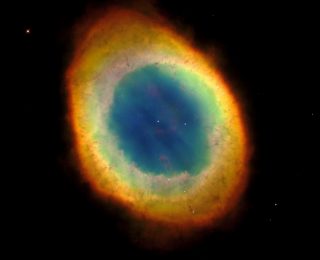
Planetary nebulae where they shouldn’t be–how did they get there?
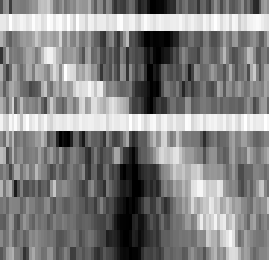
Today we look at a polluted white dwarf in a binary system: by calculating how many sperm whales accrete onto the white dwarf each second, can we say anything about planet formation?

New polarisation data confirms that pulsations from a white dwarf system are powered by the same process that causes pulsars.
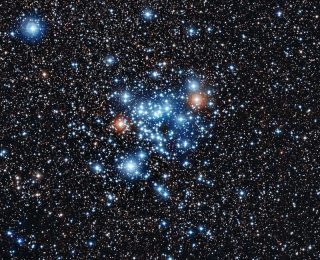
There’s an unexpected population of blue stars identified in clusters, known as blue stragglers. They should have evolved off the main sequence, but some rejuvenating process is in action, keeping them there longer than expected. Their origin and evolution is not fully understood. Today’s paper tackles these two issues, identifying some possible answers as to where these blue straggler stars come from and where they are going.
Image credits: ESA/Hubble

Are Proxima Centauri and Alpha Centauri part of the same system?