by Dan Gifford | Feb 18, 2011 | Daily Paper Summaries
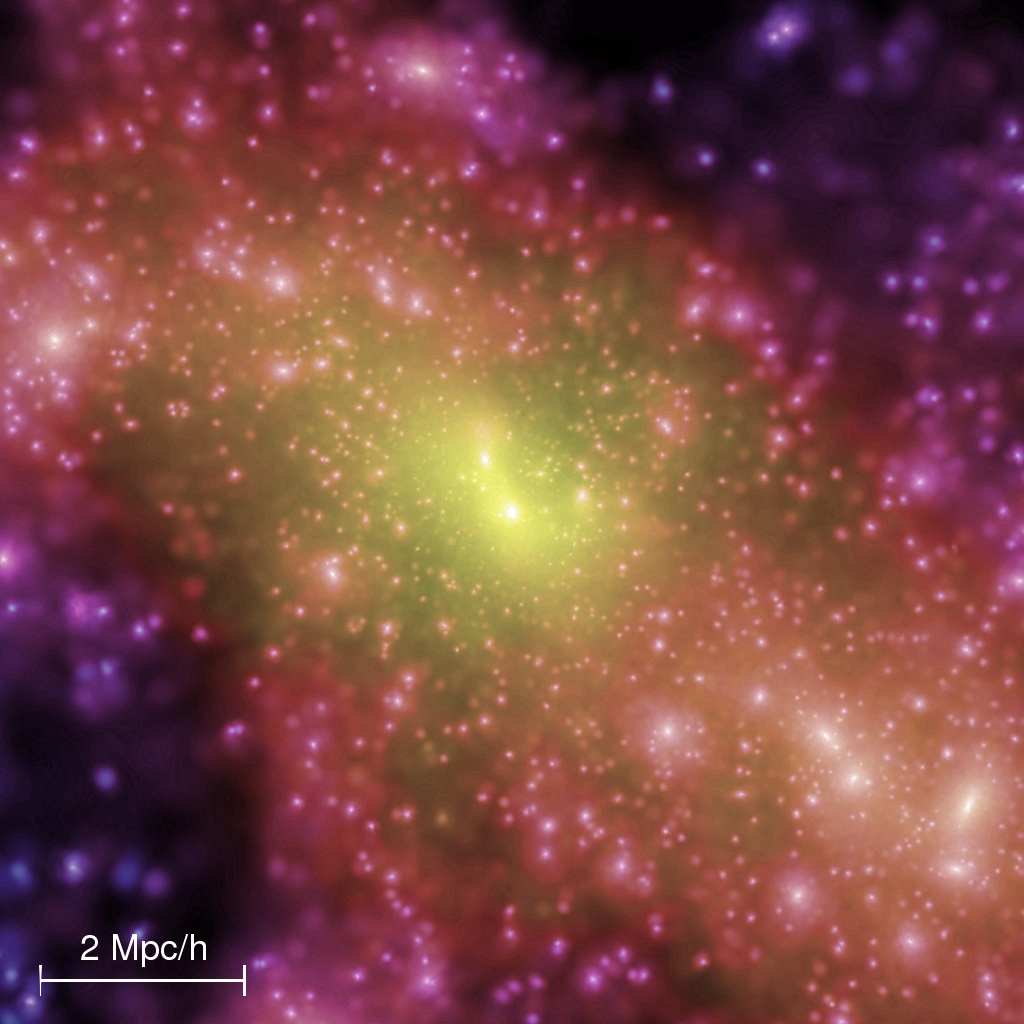
Many simulations of our universe result in a similar discrepancy with current observations. The simulations predict an abundance of subhalos around galaxies the size of our Milky Way which are an order of magnitude higher than observations suggest. This paper tackles the issue of detecting these presumably faint subhalos by analyzing the effects they might have on streams from globular clusters and other satellite galaxies we know to exist.
by Courtney Dressing | Jan 28, 2011 | Daily Paper Summaries
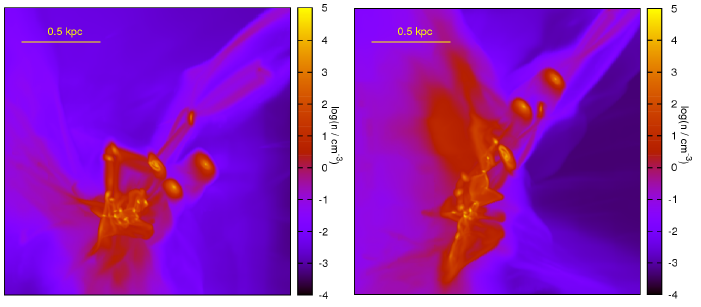
One of the big mysteries in astrophysics is the formation of the first stars. This simulation presents one possible formation mechanism for ancient stars.
by Elisabeth Newton | Jan 6, 2011 | Daily Paper Summaries
The current hierarchical theory for galaxy formation — in which larger galaxies are built up from smaller building blocks and dark matter dominates — is well studied and reasonably well accepted. The book is still far from closed, however.
by Katherine Rosenfeld | Jan 3, 2011 | Daily Paper Summaries
While we look for signals of dark matter on Earth, scientists also keenly search the sky for indirect evidence. The basic idea is that occasionally dark matter particles will smash into each other, releasing particles that telescopes might detect.
