
by Evan Schneider | May 4, 2011 | Daily Paper Summaries
Using the WMAP power spectrum together with weak lensing data from the Atacama Cosmology Telescope, the authors of this paper show that a cosmological model including a dark energy component is required to fit the Cosmic Microwave Background data.
by tonypan | Apr 24, 2011 | Guides
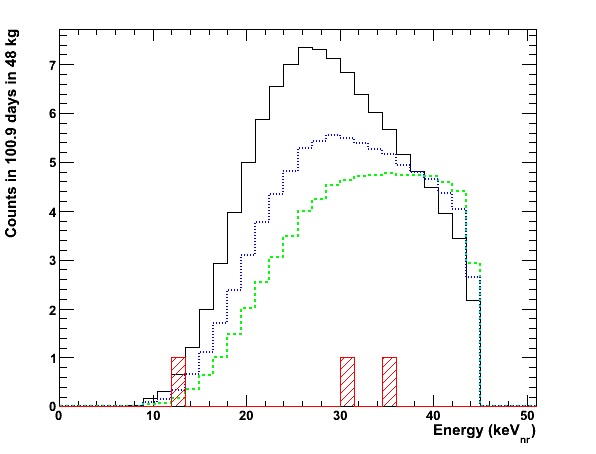
The new XENON100 results do not support models of inelastic dark matter used to reconcile the DAMA modulation signal with null detections from other experiments. But what’s DAMA and “inelastic dark matter”?
by jsureshcfa | Apr 11, 2011 | Daily Paper Summaries
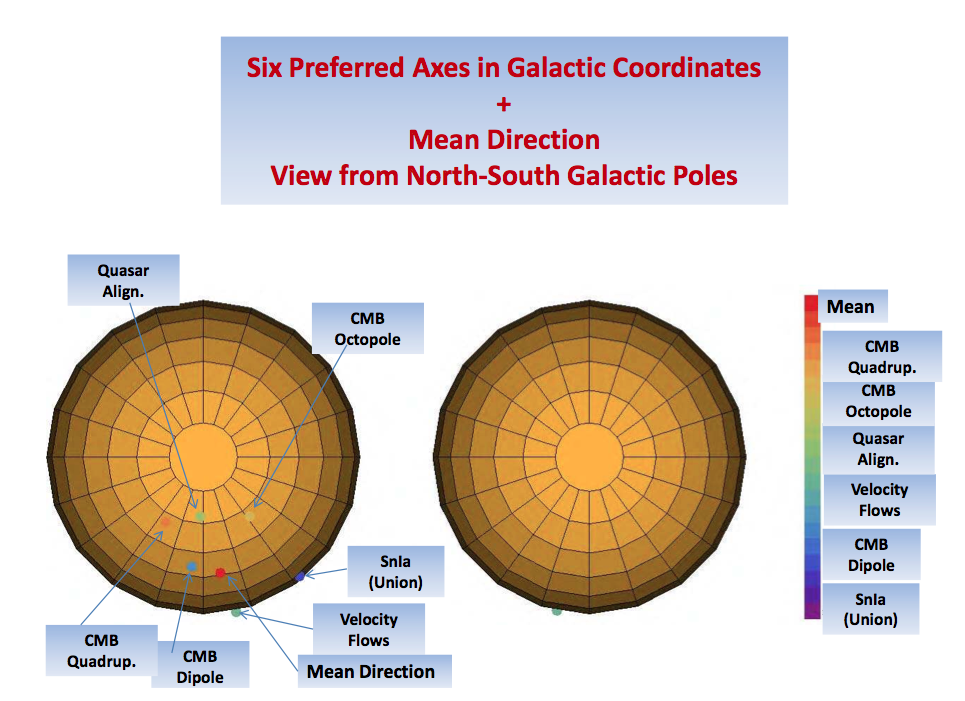
The standard model of cosmology is simple, elegant, and very successful. How do we tell that whether our model is doing well? And what phenomena does it still have trouble explaining?
by Sukrit Ranjan | Apr 10, 2011 | Daily Paper Summaries
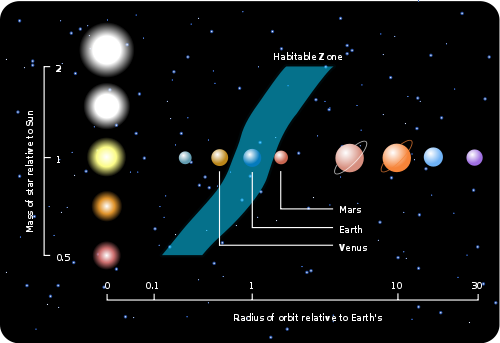
This eye-catching theory paper asks an elegant but simple question: when dark matter is gravitationaly captured by a planet, can the energy released when it annihalates provide enough heat to make the planet habitable?
by Dan Gifford | Mar 22, 2011 | Daily Paper Summaries
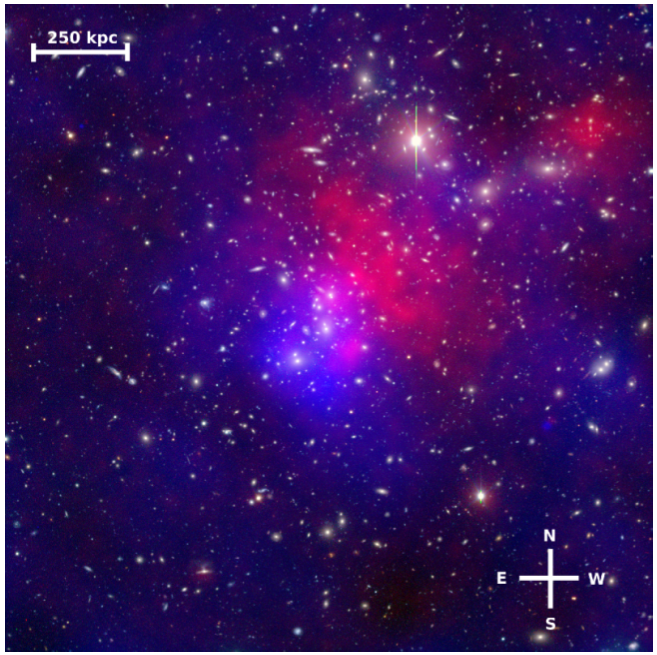
Where can you find ‘ghost’, ‘dark’, ‘stripped’, and ‘bullet’ clusters? The Pandora Cluster, which has become an excellent laboratory for studying the nature of other shady characters in our universe like dark matter.
by Elisabeth Newton | Mar 3, 2011 | Daily Paper Summaries
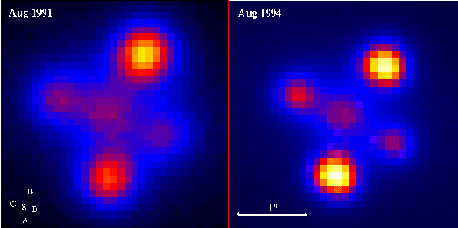
Some strong gravitational lenses exhibit what are known as “anomalous flux ratios”: the multiple images don’t have the same flux. One possible explanation for this is microlensing, which results from the gravitational influence of stars and perhaps dark matter.
