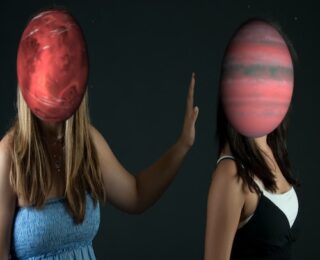
Orbital Teasing: Planetary siblings pick on each other with TTVs
Does your sibling know how to push your buttons? Turns out exoplanets also mess with each other. This “teasing” can be used to learn about their character(istics)!

Does your sibling know how to push your buttons? Turns out exoplanets also mess with each other. This “teasing” can be used to learn about their character(istics)!
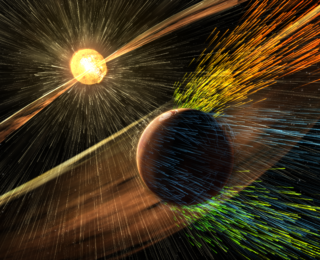
All planets with atmospheres experience atmospheric escape. But what makes this process so vital to understanding the exoplanet population?

The first directly imaged hierarchical quadruple system: two stars, each with a substellar companion!

Every time sexual harassers are given authorship on prominent papers, chaos ensues for the broader astronomy community; but nobody is more affected than the junior members (grad students and postdocs) within those research groups. This is the story about how we, the Early Career Researchers within the California Planet Search, have tackled the most recent authorship “debacle.”
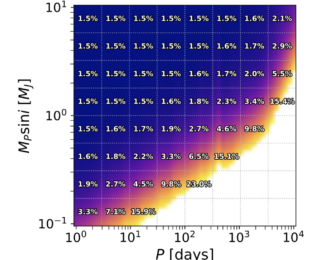
The most common type of star in the universe, the M dwarf, seems to be lacking any Jupiter-sized exoplanets. Why is that?
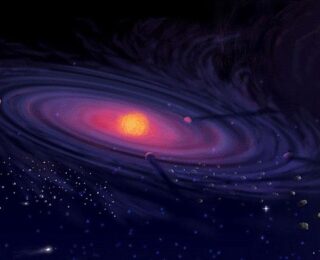
Super-Mercuries and magnesium – today’s bite attempts to answer whether they’re best pals or fiercest foes.