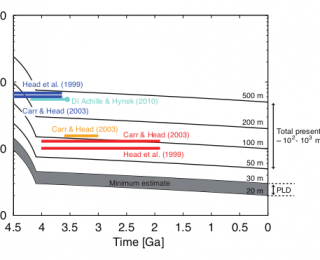
Examining Martian Water With Hydrogen Isotopes
Even though we can’t see any liquid water on Mars today, we can still examine the history of water loss on the Martian surface.

Even though we can’t see any liquid water on Mars today, we can still examine the history of water loss on the Martian surface.
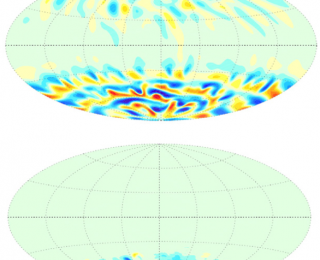
Strongly magnetized rocks on Mars are primarily concentrated in the southern hemisphere. This paper raises a serious objection to the hypothesis that localized dynamo action in the ancient martian core explains this puzzling observation.
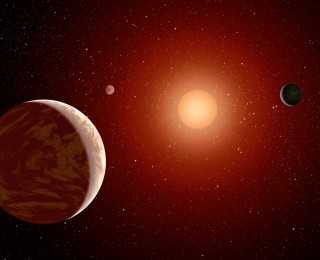
For planets too old for plate tectonics, a companion planet could drive tidal heating to keep conditions primed for life.
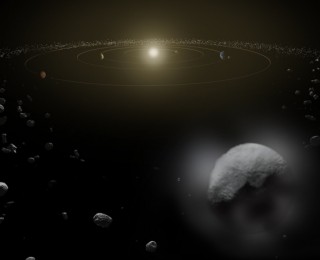
Large plumes of water vapor were recently found on the dwarf planet Ceres in the asteroid belt. Using Ceres’ rotation, astronomers have located two possible sources for the water vapor on the surface.
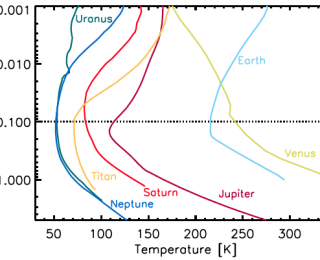
A new model explains the common 0.1 bar temperature minimum in certain types of planetary atmospheres.
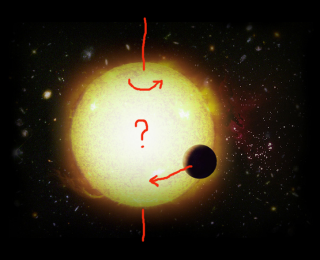
How do so many hot jupiters come to orbit backwards?