by Elisabeth Newton | Oct 12, 2011 | Daily Paper Summaries
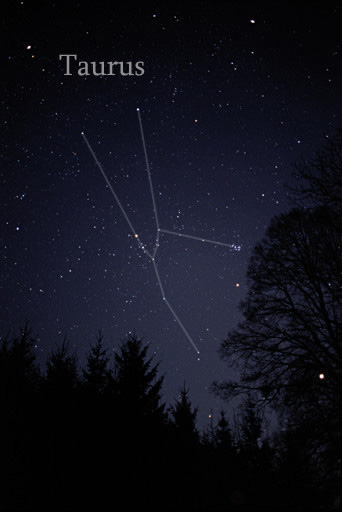
If you’re looking at the sky this evening, you can see the constellation of Taurus the Bull just above the horizon to the east. The bull’s face is outlined by a group of a stars that make up the Hyades cluster, a very near and well-known open cluster. This theory paper tries to understand the evolution of the Hyades cluster from formation to the present day using N-body simulations.
by Elisabeth Newton | Sep 28, 2011 | Daily Paper Summaries
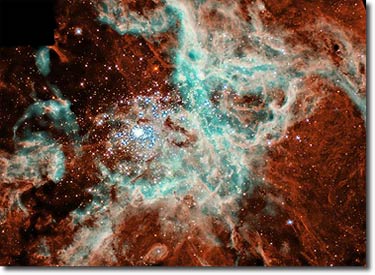
Stars form in environments that are characterized by vastly different densities, pressures and metal content. Yet the sizes of the stars formed don’t vary substantially (as measured by the median mass). Why don’t the properties of the clouds out of which stars fragment have a stronger influence on the result? Why is there a characteristic stellar mass? Why is this mass scale similar to that for nuclear burning (the process that fuels stars)?
(photo: NASA via LANL, https://www.llnl.gov/news/newsreleases/2005/NR-05-11-10.html)
by Elisabeth Newton | Sep 28, 2011 | Quick Notes
You can help us improve astrobites by filling out our short survey! It should only take a few minutes and we’d appreciate your feedback.Thanks, The Astrobites...
by Elisabeth Newton | Sep 15, 2011 | Daily Paper Summaries
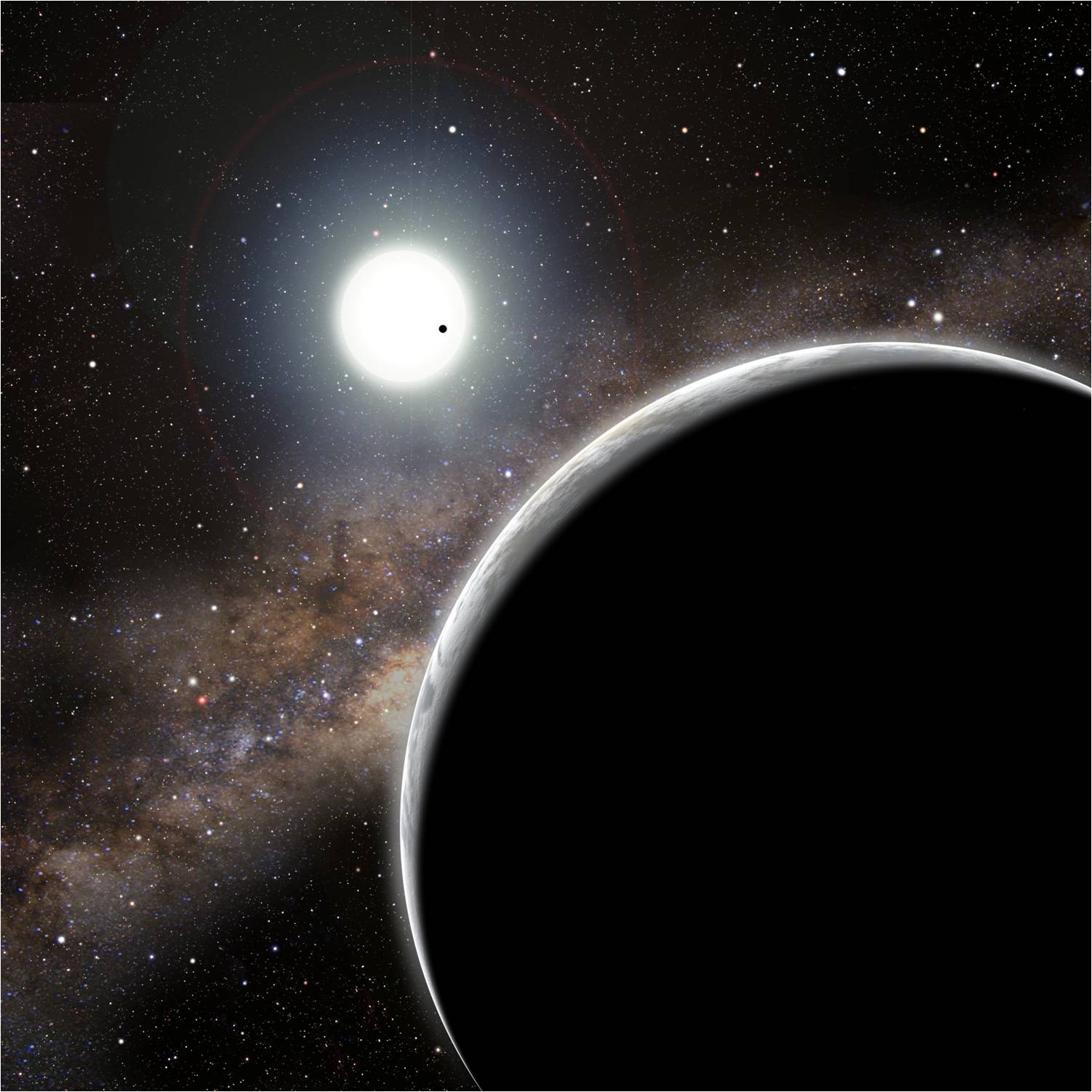
I’m here at the Extreme Solar Systems 2 conference in Jackson Hole, Wyoming. On Monday, Sarah Ballard spoke about recent results on the Kepler-19 system; she led a paper on this object that was posted to the arxiv last week. This is the story of the newly-discovered transiting planet Kepler-19b and its mysterious companion.
by Elisabeth Newton | Aug 18, 2011 | Personal Experiences
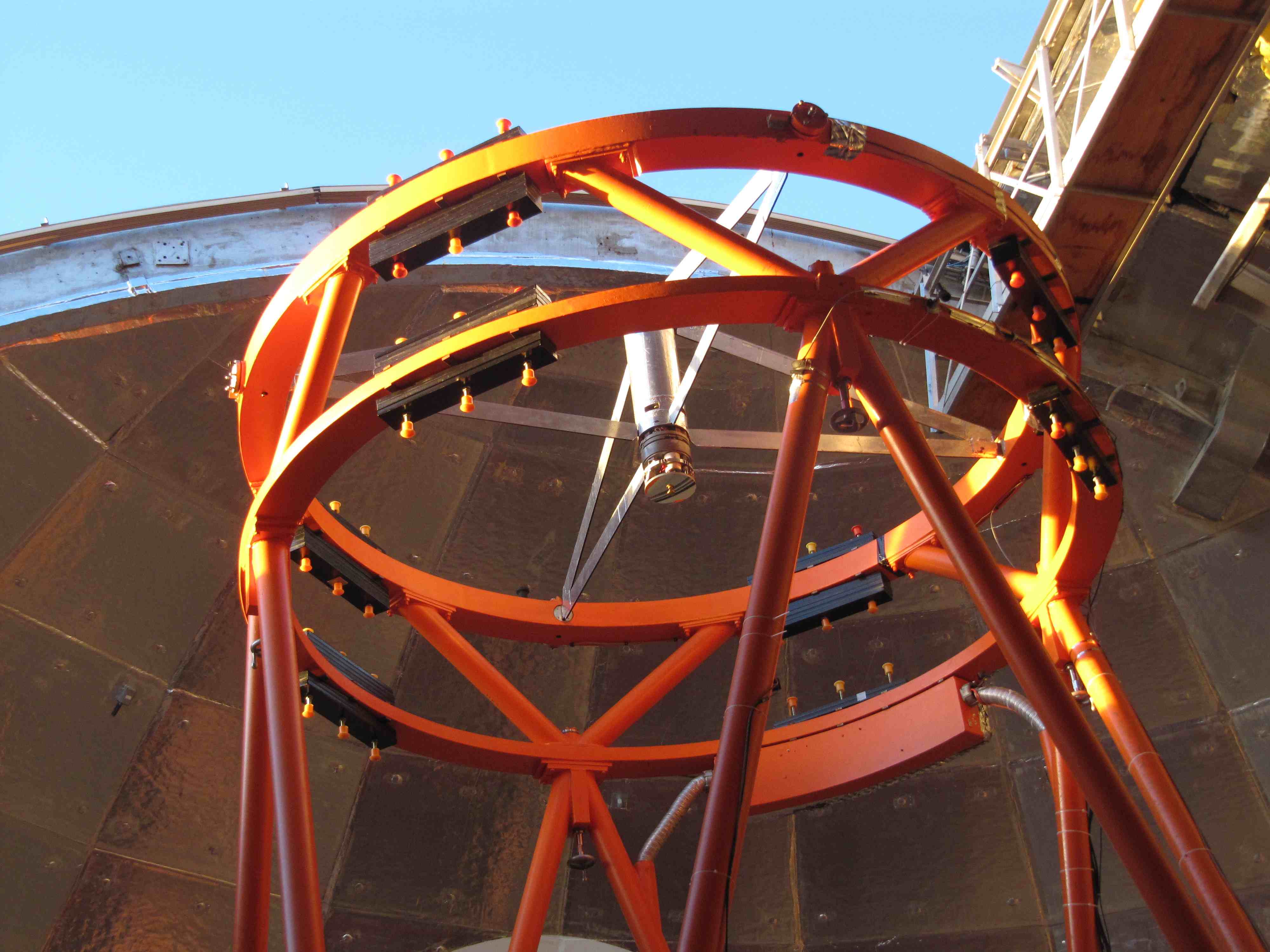
Dawn is beautiful and clear in Cambridge, Mass and I’m sitting in my office starting at the night sky, hoping the clouds will clear. I’m finishing up my last night of remote observing on the Infrared Telescope Facility (IRTF), which lives atop Mauna Kea in Hawaii.
