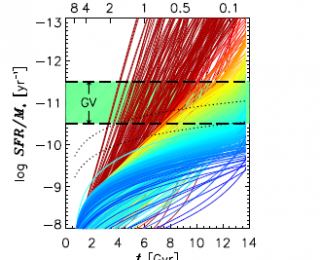
Reinventing star-formation
Just when you think you’ve understood star formation and how galaxies form, someone pulls the rug out from under you…

Just when you think you’ve understood star formation and how galaxies form, someone pulls the rug out from under you…
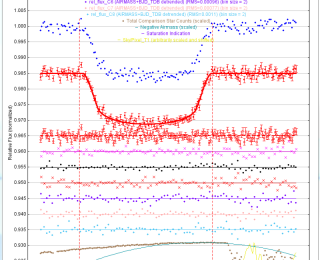
So you went observing, and you got a time series of images for precise photometry and you want to plot a light curve. Now what? Where do you start? Right here, with AstroImageJ.
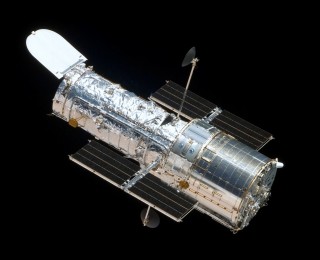
White dwarfs, the tiny, burnt out cores that stars like the Sun leave behind when they run out of fuel, are a surprisingly ideal place to look for potentially habitable planets. The authors of today’s paper have checked to see if we haven’t already found one, entirely by accident.
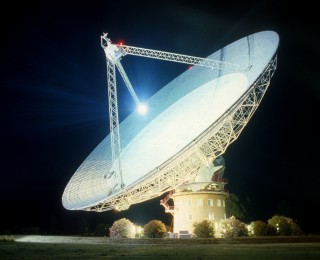
Mysteriously brief and extremely energetic radio signals are beamed at us thousands of times a day. We thought we finally figured out where one came from… or did we?
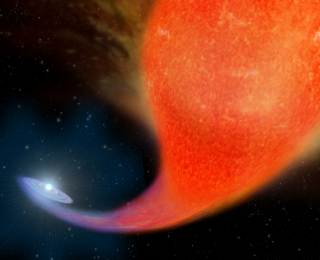
Recent surveys of the sky showed the presence of stars that seem to be too young for the population that they belong to. In today’s bite, we will see that cannibalism between two very close stars could be a viable way to produce these curious objects.
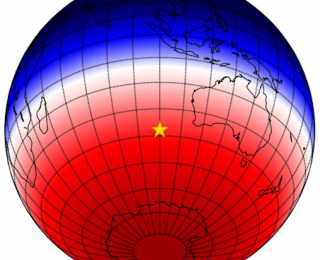
The bottom of Earth’s oceans contain debris from nearby supernovae that swept past Earth millions of years ago. Today’s paper investigates whether we can use this evidence to triangulate where in the Milky Way these supernovae went off.