by Elisabeth Newton | Nov 9, 2011 | Daily Paper Summaries
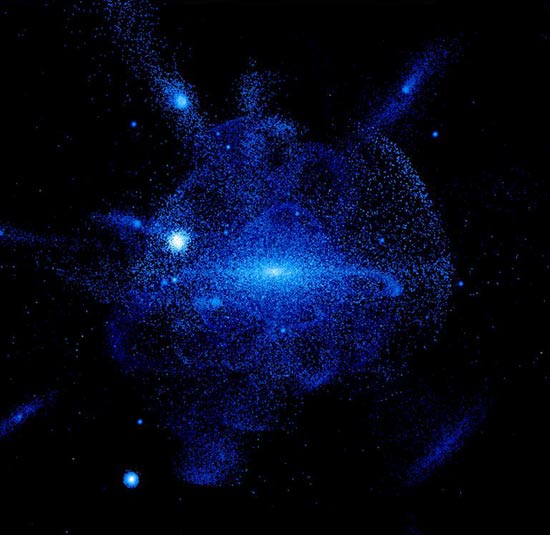
The Milky Way’s stellar halo – a roughly spherical distribution of stars surrounding our spiral galaxy – is a valuable tool for probing the early evolution of our galaxy. The stellar halo contains some of the oldest stars in our galaxy, whose properties reflect that of the environment in which they formed. This paper focuses on using cosmological simulations of galaxy formation to match the observed structure and kinematics (how the stars move) of stars in Milky Way’s halo.
by Caroline Morley | Nov 8, 2011 | Daily Paper Summaries
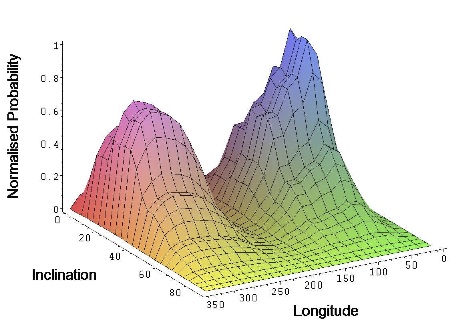
One of the many cool observations that have come from the WISE telescope survey this year has been the discovery of the first Trojan asteroid orbiting at the same semi-major axis as the Earth. The authors of this paper outline a way to optimize future surveys to find more of these Earth Trojans.
by Kirit Karkare | Nov 8, 2011 | Daily Paper Summaries
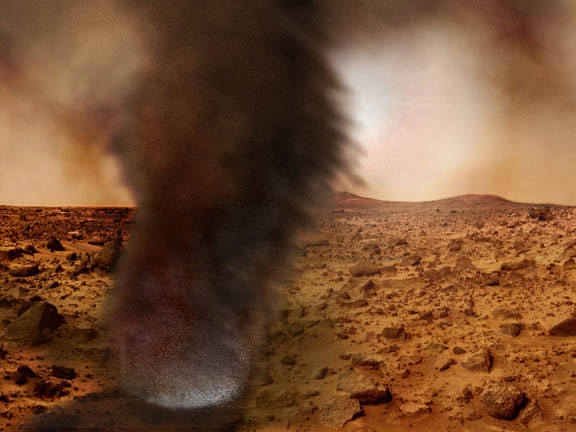
Do dust storms cause lightning on Mars? This paper uses the Allen Telescope Array to search for electrostatic discharge on the Red Planet.
by Anna Rosen | Nov 7, 2011 | Daily Paper Summaries
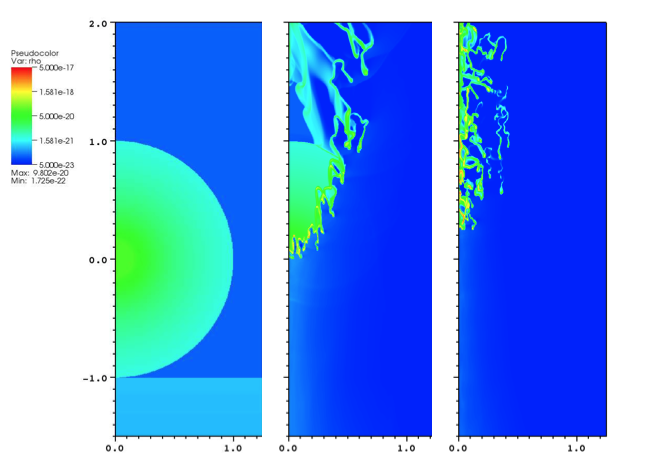
Could the interaction of the pre-solar core with a nearby supernova trigger the formation of our Solar System?
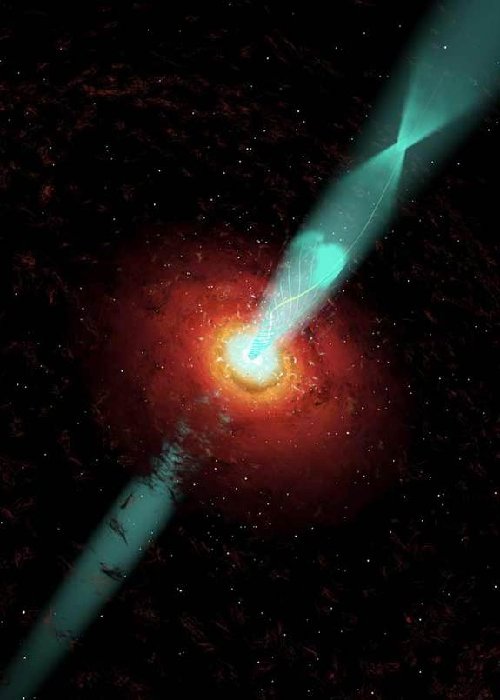
by Susanna Kohler | Nov 4, 2011 | Daily Paper Summaries
We think that blazars and gamma-ray bursts are both powered by extremely relativistic jets — but how is the kinetic energy of these jets transformed into the staggering amounts of radiation we observe?
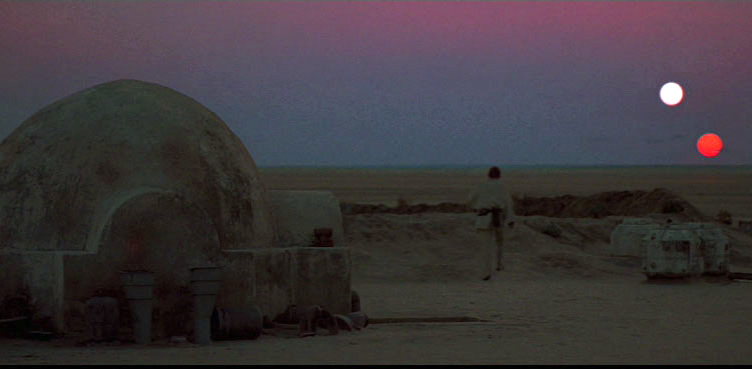
by Lauren Weiss | Nov 3, 2011 | Daily Paper Summaries
George Lucas dreamed of a planet with two suns. Now that Kepler scientists have found such a planet, the question arises: can it support life?
