by Maria Drout | Sep 23, 2011 | Daily Paper Summaries
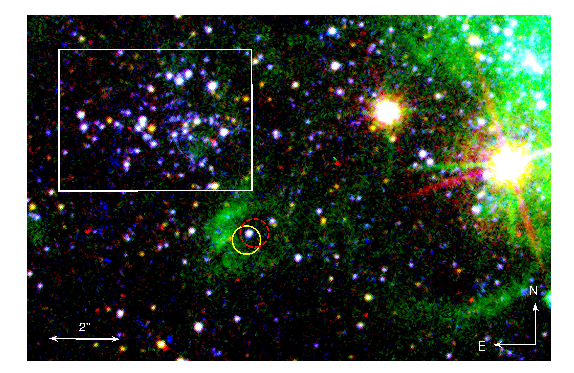
Continuums seem to be the name of the game in astronomy. On more than one occasion, astronomers have defined discrete subclasses for a type of phenomena only to later discover objects which populate an intermediate space between their original classifications. So… what about black holes?
by Nathan Sanders | Sep 19, 2011 | Daily Paper Summaries
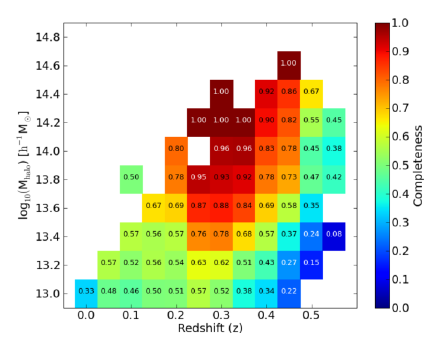
We can use galaxy clusters for many different science goals, but first we need to figure out where they are.
by Courtney Dressing | Sep 15, 2011 | Daily Paper Summaries
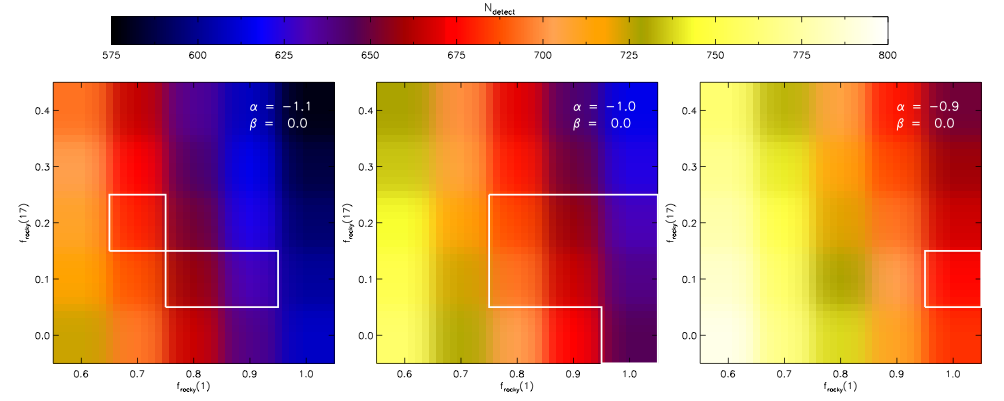
Wolfgang & Laughlin combine observations from the HARPS radial velocity survey and the Kepler transit survey to investigate the mass-radius-period distribution of exoplanets. They find that most small planets are rocky.
by Elisabeth Newton | Sep 15, 2011 | Daily Paper Summaries
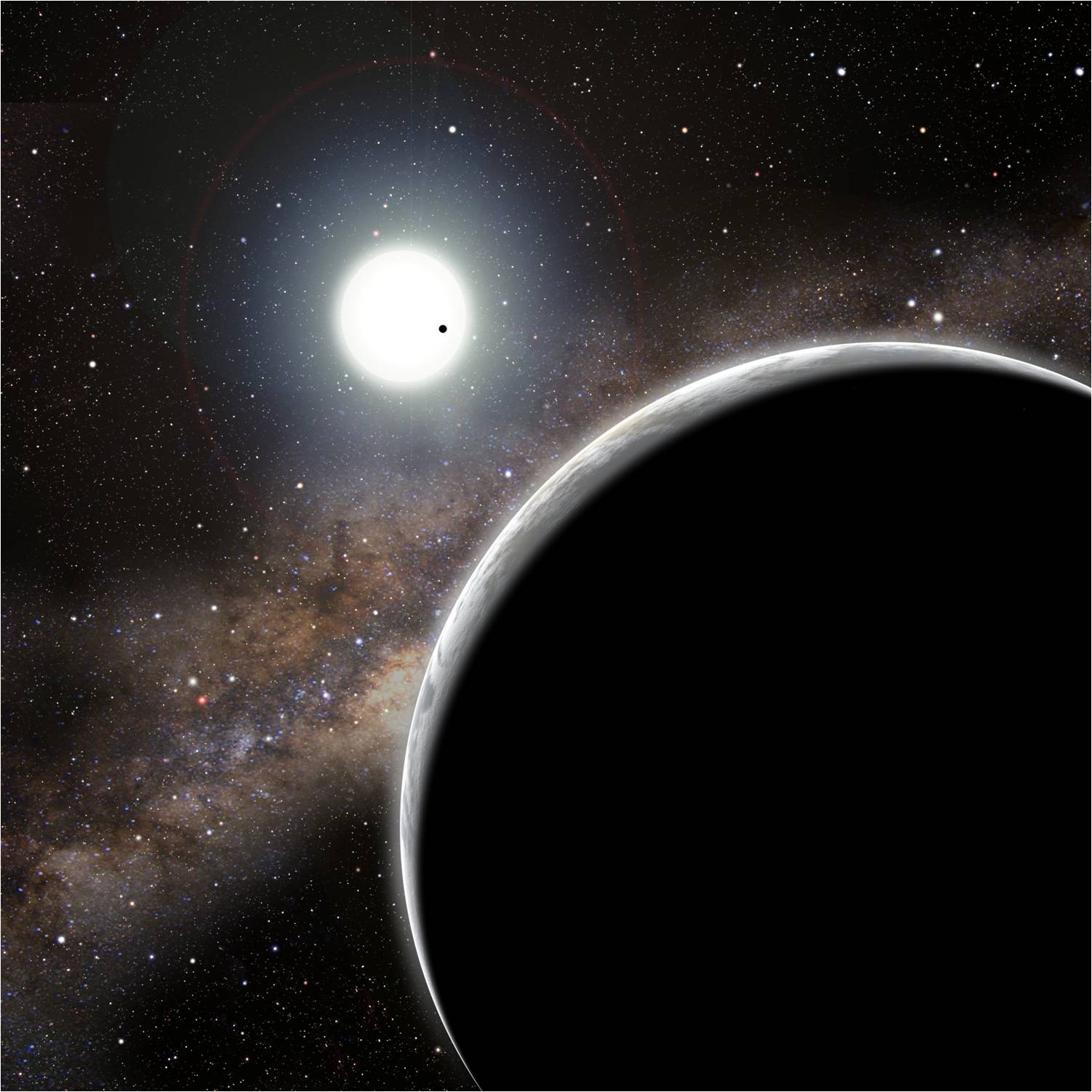
I’m here at the Extreme Solar Systems 2 conference in Jackson Hole, Wyoming. On Monday, Sarah Ballard spoke about recent results on the Kepler-19 system; she led a paper on this object that was posted to the arxiv last week. This is the story of the newly-discovered transiting planet Kepler-19b and its mysterious companion.
by Anna Rosen | Sep 12, 2011 | Daily Paper Summaries
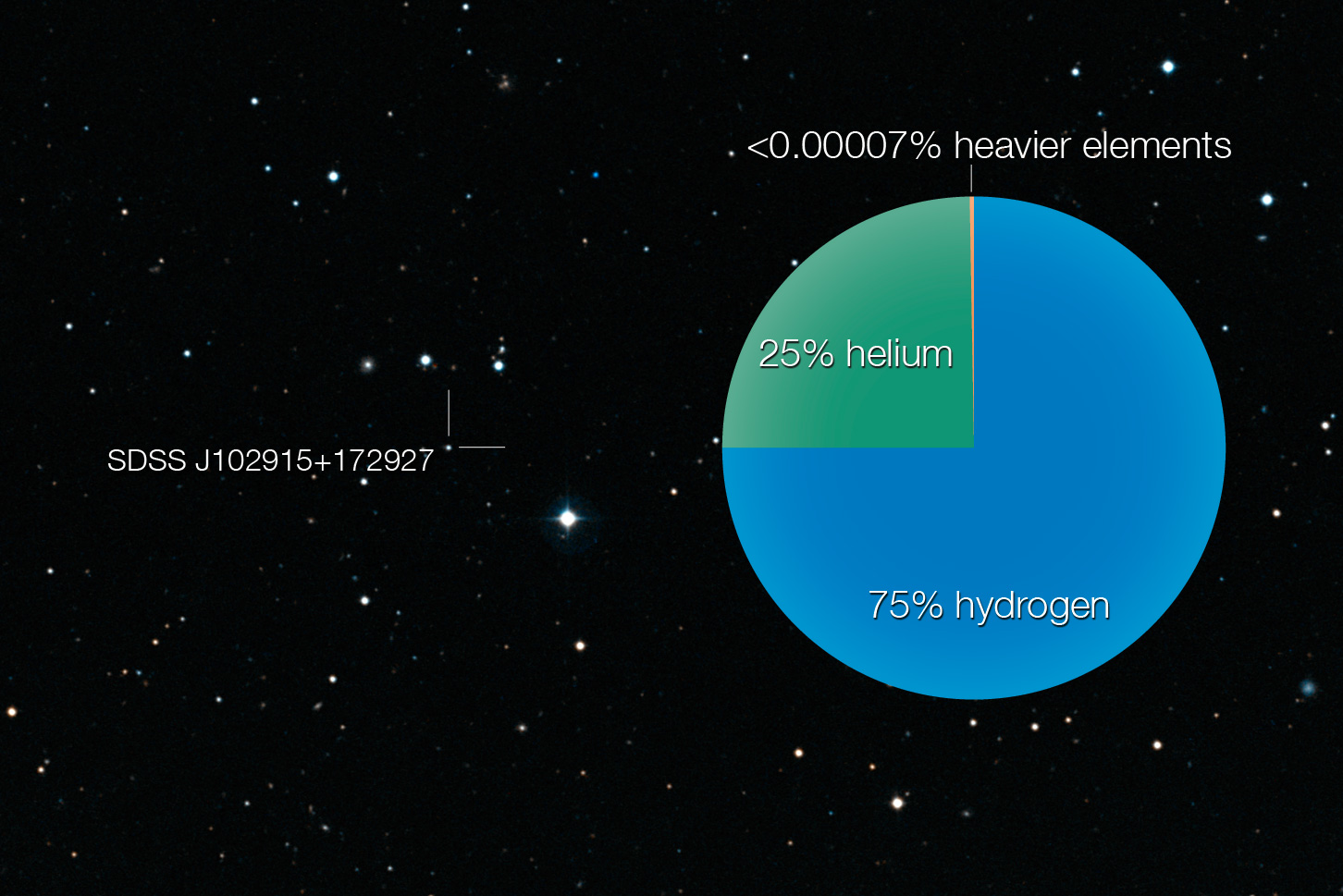
Astronomers have discovered an extremely metal-poor, low mass star located in the Galactic Halo. SDSS J102915+172927 appears to have fewer metals than ever predicted for stars of this mass since many models of star formation suggest that a star with these properties should not have even formed in the early universe.
by Susanna Kohler | Sep 9, 2011 | Daily Paper Summaries
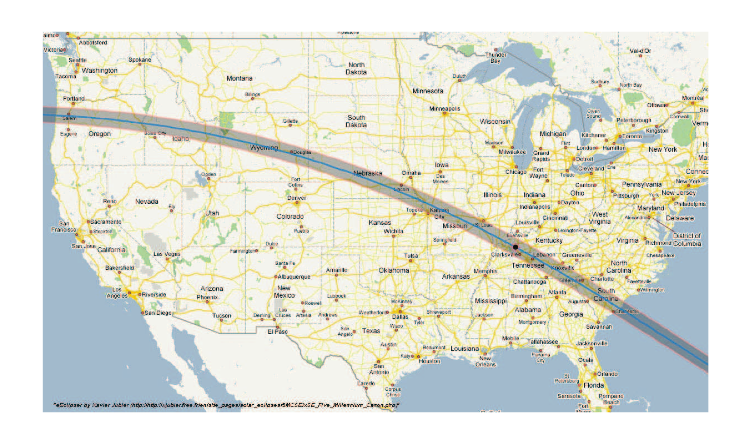
The 2017 solar eclipse will provide a unique opportunity to launch some exciting citizen science. This white paper describes how!
